Gabriella
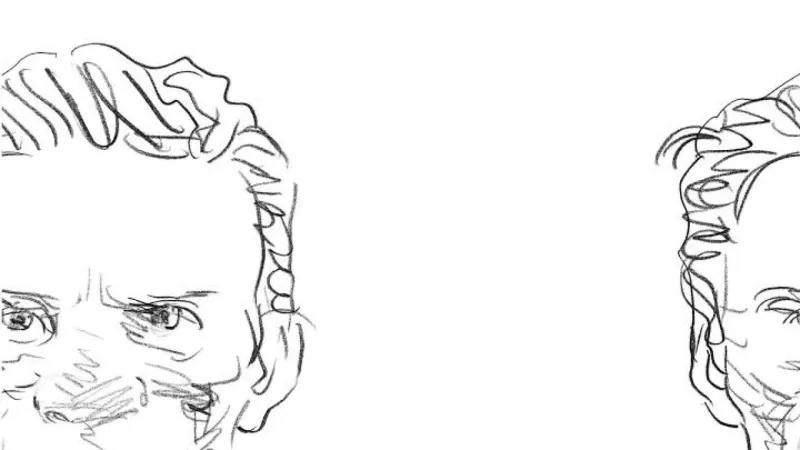
The enigmatic life and violent death of Italian polymath Pier Paolo Pasolini receive a fresh, incisive examination in Ascanio Celestini's latest biographical work, challenging enduring narratives surrounding the iconic artist almost five decades after his brutal murder. This profound new perspective, unveiled recently, compels audiences to reconsider Pasolini's indelible cultural and political impact on Italy and beyond.
Pasolini, a filmmaker, poet, novelist, and controversial intellectual, consistently defied categorization during his lifetime, establishing himself as a potent voice in post-war Italian society. His creative output frequently explored themes of sexuality, religion, and the erosion of traditional values in modern Italy.
Celestini's work, titled Pasolini: una vita, anzi due, which translates to Pasolini: One Life, Or Rather Two, delves into the contradictions inherent in Pasolini's existence. It portrays him not merely as a victim but as an individual intensely engaged with the evolving sociopolitical landscape of his time.
The title itself suggests an exploration of the artist's public persona versus his private struggles, or perhaps the duality of his artistic vision and his often-provocative social commentary. This interpretative lens offers a compelling reason for the continued public fascination with his life and contributions.
Pasolini's untimely demise in 1975 on a beach in Ostia remains one of Italy's most enduring mysteries. Giuseppe Pelosi initially confessed to the murder but later recanted, fostering decades of speculation and alternative theories ranging from political assassination to organized crime involvement.
Official investigations into his death reopened and closed multiple times, underscoring the deep-seated societal discomfort and the persistent clamor for a definitive truth regarding his killing. The unresolved nature of his death only serves to deepen his mythos.
Celestini, known for his compelling theatrical narratives and incisive social commentary, brings his unique artistic sensibility to this complex subject. His previous works often blend documentary rigor with poetic interpretation, promising a nuanced portrayal of Pasolini's multifaceted character.
The narrative seeks to unpack the layers of Pasolini's contested legacy, acknowledging his often-polarizing stances on consumerism, the working class, and the role of the intellectual in a rapidly changing world. He was a true provocateur who challenged the status quo relentlessly.
His films, such as Salò, or the 120 Days of Sodom, and The Gospel According to St. Matthew, continue to provoke discussion and analysis, demonstrating his fearless approach to taboo subjects and his profound intellectual curiosity.
Through this biographical lens, Celestini invites a contemporary audience to grapple with Pasolini's prophetic critiques of modernity, which resonate with surprising force in the present day. These critiques touch upon societal alienation and cultural homogenization, issues that remain highly relevant.
The enduring power of Pasolini's words and images ensures that each new reinterpretation of his life, like Celestini's offering, serves not just as a historical account but also as a mirror reflecting contemporary anxieties and cultural debates.
This latest contribution to the vast body of work surrounding Pasolini ensures that his voice, however controversial, remains vital in ongoing discourse about art, politics, and justice in the 21st century.