 Debby Wijaya
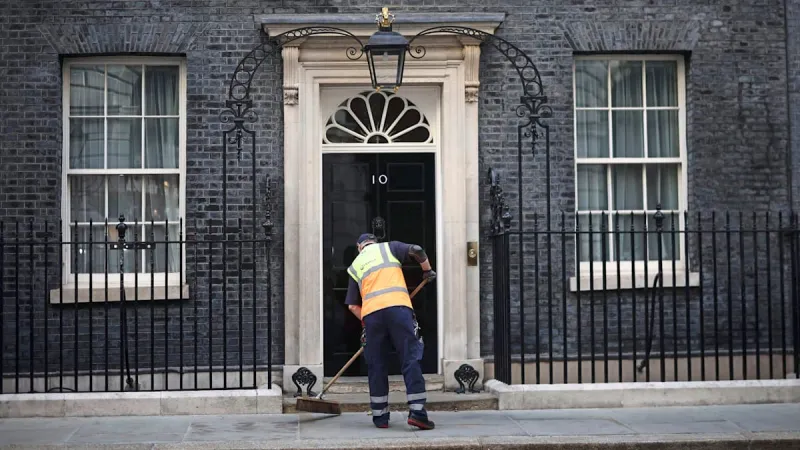
LONDON – British Prime Minister Keir Starmer today announced his immediate resignation, attributing his unexpected departure to persistently low public approval ratings that have plagued his administration. The decision, delivered in a somber statement from Downing Street, plunges the ruling party into an unforeseen leadership contest and signals a significant shift in the nations political landscape in 2026.
Starmer, who assumed the premiership after the previous general election, has faced escalating pressure from within his own party and from opposition benches over the past year. Public opinion polls have consistently shown a marked decline in confidence in his leadership and the governments direction, particularly concerning economic policy and social reforms.
In his televised address, the Prime Minister acknowledged the deep challenges confronting the country and conceded that his leadership had failed to resonate with a crucial segment of the electorate. He stated that his duty was to the nation and his party, and that stepping aside offered the best path for renewal and a fresh mandate.
The abruptness of the resignation has sent shockwaves through Westminster. Attention immediately pivots to potential successors, with several prominent figures already being discussed as viable candidates for the leadership. This development comes as the nation grapples with complex domestic issues and an evolving international dynamic.
International observers and allied governments are closely monitoring the unfolding situation. The stability of one of the United States closest allies is a key concern, though no official statements have yet emerged from the White House regarding the Keir Starmer resignation.
Prime Ministerial resignations outside of general elections or major scandals are relatively uncommon in modern British politics, making Starmers decision particularly noteworthy. Precedent suggests such moves often precede periods of intense internal party reflection and, frequently, electoral realignment.
The publics disillusionment had been palpable for months, fueled by a series of policy setbacks and a perceived lack of clear vision. Critics within his party had grown increasingly vocal, questioning his ability to unite factions and project a strong image to the public.
Anne McElvoy, a prominent correspondent for Politico, provided immediate commentary following Starmers announcement. She suggested that the Prime Minister had ultimately bowed to the inevitable, recognizing that a protracted period of internal party strife would further damage prospects for future electoral success. McElvoy emphasized that the timing, while sudden, indicated a strategic move to allow his party sufficient time to regroup.
While the immediate focus remains on domestic political implications, the resignation could have repercussions for the United Kingdoms standing on the global stage. Continuity in leadership is often valued by international partners, and a period of uncertainty may prompt questions from abroad.
Among the names frequently mentioned as potential contenders to succeed Starmer is Andy Burnham, the current Mayor of Greater Manchester. Speculation has been rife for weeks regarding Keir Starmers impending resignation and Burnhams positioning for a leadership bid. Other figures from various wings of the party are also expected to emerge as candidates.
The next leader will face the daunting task of revitalizing a party grappling with internal divisions and a skeptical electorate. Key policy areas, including the economy, healthcare, and post-Brexit trade relations, will demand immediate and decisive attention.
This internal turmoil within the ruling party could also embolden opposition parties, who will undoubtedly seek to capitalize on the governments instability. A snap general election, though not immediately expected, cannot be entirely ruled out depending on the trajectory of the leadership contest and public sentiment.
Starmers tenure, while ending abruptly, will be remembered for its efforts to navigate a complex political environment. His resignation opens a new chapter for British politics, initiating a crucial period of introspection and realignment for the nations political future.