 Dodi Irawan
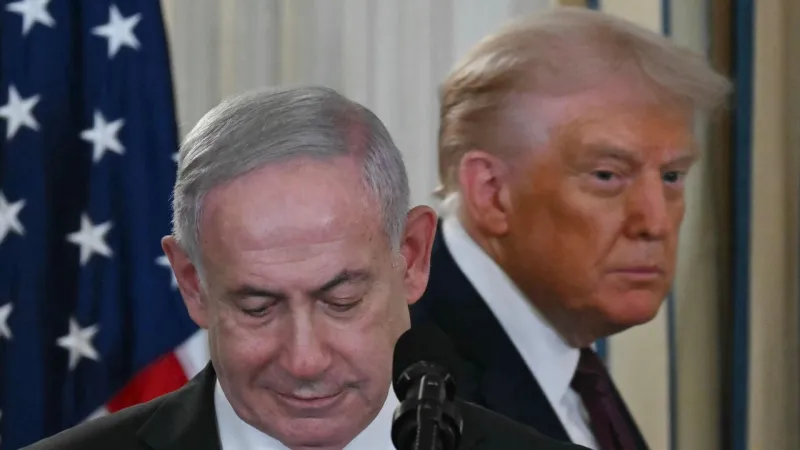
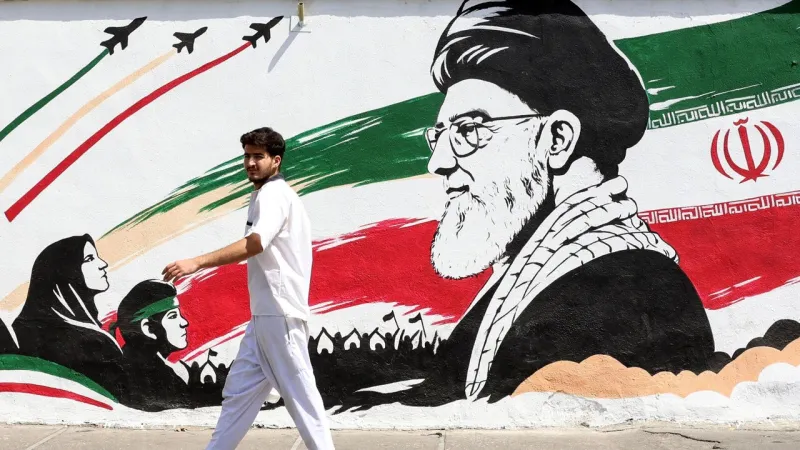
WASHINGTON – Intelligence agencies report Tehran is orchestrating credible threats and plots against Barron Trump, son of President Donald Trump, and Yair Netanyahu, son of Israeli Prime Minister Benjamin Netanyahu. These developments escalate regional tensions as both leaders publicly condemned the alleged targeting of their families, with Prime Minister Netanyahu advising President Trump against negotiation with those he termed "savages".
The specific nature of the threats remains under tight wraps by security services in both the United States and Israel. However, sources close to the investigations confirm intelligence points to well-funded networks operating under Tehran's influence, aiming to destabilize adversary nations through high-profile targets.
These latest threats emerge from a backdrop of protracted geopolitical friction. Relations between the United States, Israel, and Iran have been fraught for decades, punctuated by periods of intense hostility, cyber warfare, and proxy conflicts across the Middle East.
Prime Minister Benjamin Netanyahu conveyed his stern advice directly to President Trump, reportedly stating, "One does not deal with savages." This powerful sentiment underscores the hardline stance favored by the Israeli leader in addressing what he perceives as existential threats from the Islamic Republic.
President Donald Trump's administration, while not officially confirming the exact details of the threats against his son, issued a statement condemning any nation-state-sponsored terrorism targeting American citizens or their families. The statement reaffirmed Washington's unwavering commitment to protecting its interests and personnel globally.
Targeting family members of political leaders, while a grave escalation, is not unprecedented in the annals of international conflict. Such tactics aim to exert psychological pressure and provoke a strong, often retaliatory, response from the affected leadership.
Analysts within the intelligence community suggest Tehran's alleged move signifies a desperate attempt to shift the balance of power or distract from internal pressures. The calculated risk of directly threatening leaders' children indicates a perceived lack of viable conventional options.
Security protocols for both Barron Trump and Yair Netanyahu have been significantly enhanced following the credible intelligence reports. Law enforcement and protective services are working in concert to mitigate any potential risks, both domestically and abroad.
The international community watches these developments with growing apprehension. Diplomats from allied nations privately express concern that such targeted threats could further destabilize an already volatile region, pushing the delicate balance of power towards an irreversible conflict.
This alleged strategy aligns with a broader pattern of asymmetrical warfare attributed to Tehran, often employing non-state actors or covert operations to achieve geopolitical objectives. Observers point to similar tactics employed against other perceived enemies over recent years.
Allies of the United States and Israel have largely rallied in support, reiterating commitments to regional security. Calls for a unified international front against state-sponsored terrorism have intensified in diplomatic circles.
Experts warn of the severe potential for miscalculation. Direct threats against the children of heads of state could easily trigger a disproportionate response, leading to unintended and far-reaching consequences for global stability.
Domestically, the news could galvanize public opinion behind President Trump, particularly among his base, reinforcing his strongman image and justifying assertive foreign policy stances against perceived adversaries.
While Tehran has not officially commented on these specific allegations, its state-controlled media frequently portrays the U.S. and Israel as aggressors, justifying any retaliatory measures as defensive acts against perceived provocations.
The gravity of these reported threats cannot be overstated. They represent a significant escalation in the long-standing animosity between these powerful geopolitical players, placing the safety of their leaders' families squarely at the center of a dangerous international chess match.