 Edward DP Situmorang
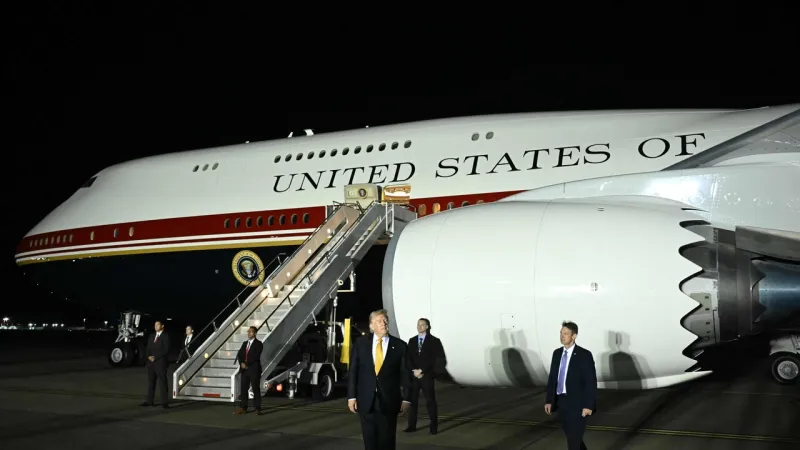
The Trump administration has issued subpoenas to New York Times reporters, escalating a contentious standoff following the newspaper's publication of sensitive details regarding alleged security vulnerabilities aboard the new Air Force One, a jet notably gifted by Doha. This legal action, viewed by many as a retaliatory measure, targets journalists who reported on critical security flaws of the presidential aircraft.
The subpoenas, delivered in recent days, demand information from the journalists concerning their sources and methods used to uncover the classified data. Administration officials assert that the leaks compromise national security, jeopardizing the safety of President Donald Trump and other high-ranking officials who utilize the state-of-the-art aircraft.
The New York Times has staunchly defended its reporting, emphasizing its commitment to transparency and the public's right to know about significant issues, including those pertaining to the integrity of the nation's most critical assets. The newspaper maintains that the revelations served the public interest by exposing potential weaknesses in presidential transport security.
Sources familiar with the matter indicate that the sensitive information revealed by The New York Times concerned advanced defensive systems and communication protocols onboard the new Air Force One. These details, if confirmed, could offer adversaries valuable insights into the aircraft's capabilities, potentially undermining its operational security.
The controversial jet, designated as the next generation of presidential transport, reportedly features extensive modifications tailored to high-level security and communication requirements. Its acquisition, partly financed by a significant donation from the Qatari government in Doha, has previously drawn scrutiny regarding foreign influence and procurement processes.
President Trump has consistently expressed strong disapproval of unauthorized disclosures, often labeling them as detrimental to national security and an attack on his administration. This latest move against The New York Times aligns with a broader pattern of heightened tension between the White House and certain media outlets.
Press freedom advocates have swiftly condemned the subpoenas, characterizing them as an alarming attempt to suppress investigative journalism and intimidate reporters. Organizations such as the Committee to Protect Journalists argue that such actions undermine the First Amendment and set a dangerous precedent for government interference in newsgathering.
Legal experts suggest that the administration faces a challenging battle in court, as journalists in many jurisdictions are protected by shield laws that safeguard confidential sources. However, federal investigations involving national security leaks often invoke broader governmental powers, potentially leading to prolonged legal disputes.
The New York Times has indicated its intention to vigorously contest the subpoenas, citing established principles of journalistic independence. This legal fight is expected to reignite debates over the balance between national security concerns and constitutional guarantees of a free press.
This development follows a period of intense scrutiny over government leaks and the role of whistleblowers. The administration's aggressive posture against the press is seen by critics as an effort to control narratives and punish perceived disloyalty.
The implications of this legal confrontation extend beyond The New York Times, potentially affecting how other media organizations approach reporting on classified information. Journalists across the nation are closely monitoring the case, recognizing its potential impact on future investigative reporting.
The ongoing dispute underscores the complex relationship between the executive branch and the Fourth Estate, particularly in an era marked by rapid information dissemination and heightened geopolitical sensitivities. The outcome of this legal challenge could redefine the boundaries of press freedom in the United States.