 Demian Sahputra
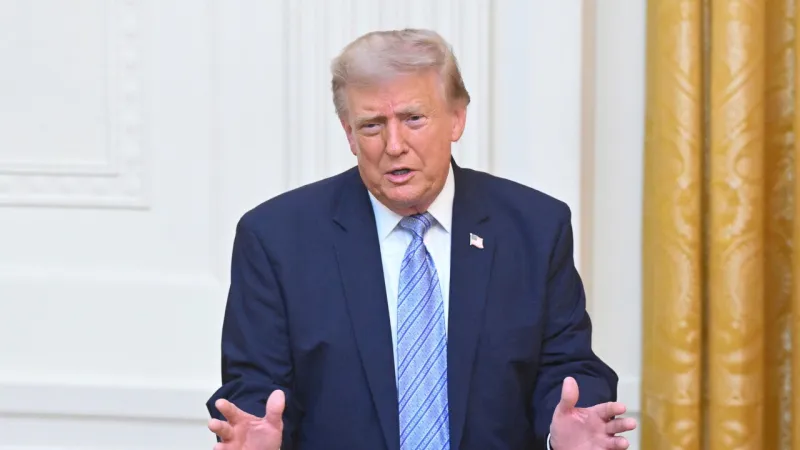
Qeshm, Iran – President Donald Trump authorized massive retaliatory air strikes against targets on Iran's Qeshm Island following the death of a United States service member in Iraq. This action marks the eighth consecutive night of US attacks and signals Washington's escalating frustration with Tehran's perceived intransigence. The deceased soldier succumbed during the detonation of a hostile drone.
The intense bombardment of Qeshm, a strategically vital Iranian island in the Strait of Hormuz, came amidst a noticeable surge in US military operations across the region. This escalation follows weeks of heightened tensions, with American forces responding to what US officials describe as increasingly provocative actions by Iranian-backed proxies.
The fatality, announced by the Pentagon in Washington, occurred when a sophisticated unmanned aerial vehicle detonated near US personnel stationed at an undisclosed base in Iraq. Details surrounding the incident remain scarce, but initial reports confirm the drone was hostile and intended to inflict casualties. This tragic event served as the immediate catalyst for the President's decisive order.
President Trump's swift authorization for strikes on Qeshm underscores his administration's firm stance against any perceived aggression towards American personnel or interests. Sources close to the White House indicate a resolve to demonstrate unwavering strength, particularly after the loss of an American life.
Tehran, meanwhile, has continued to project defiance. Iranian state media described the ongoing US military pressure as futile and vowed to respond decisively to any breaches of its sovereignty. This firm response from Tehran has only amplified the frustrations within Washington, as evidenced by the President's unyielding directive for continued operations.
The attacks on Qeshm specifically target infrastructure believed to be critical for the Islamic Revolutionary Guard Corps operations and other proxy groups, according to unnamed US defense officials. The island, known for its strategic position and military facilities, represents a significant asset in Iran's regional defense and projection capabilities.
Regional analysts warn that the current cycle of escalation risks spiraling into a wider conflict across the Middle East. Neighboring nations and international allies are closely monitoring the situation, expressing concerns over the potential for miscalculation between two major powers.
The present volatility recalls previous flashpoints in US-Iranian relations, characterized by a complex interplay of proxy warfare, economic sanctions, and intermittent military confrontations. Each incident, such as the recent drone attack, incrementally raises the stakes in an already precarious geopolitical landscape.
Despite the substantial deployment of US military assets and the sustained bombing campaign, the challenge of deterring Iranian retaliatory capacity or influence remains significant for Washington. Critics suggest that military action alone may not achieve the desired long-term stability without a parallel diplomatic strategy.
For the local populations in areas like Qeshm, the intensified military activity brings profound uncertainty and fear. The human toll of these prolonged engagements, both direct and indirect, casts a long shadow over stability efforts in the broader region.
The global community, through various diplomatic channels, has urged both sides to exercise restraint and de-escalate. However, with President Trump's clear mandate for a robust response and Tehran's continued defiance, the path towards reducing hostilities appears increasingly difficult.