 Stefani Rindus
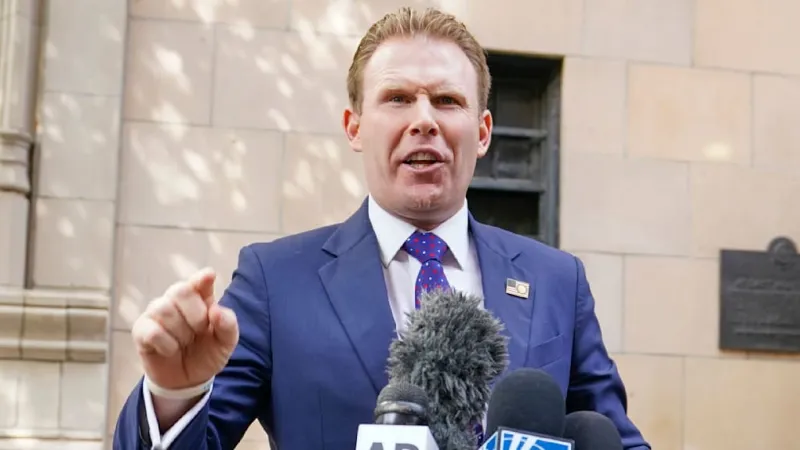
WASHINGTON — President Donald Trump's FIFA envoy has openly questioned the integrity of World Cup referee Raphael Claus following the controversial red card issued to US striker Folarin Balogun during a recent match against Bosnia-Herzegovina. The envoy, speaking after the contentious fixture, described the decision as "highly suspicious," highlighting Referee Claus's previous involvement in similar investigations and fueling a burgeoning debate over officiating standards within international football.
The incident unfolded when Balogun, a key offensive player for the United States, received a red card, significantly impacting the team's performance and strategic play against Bosnia-Herzegovina. The dismissal prompted immediate outcry from fans and commentators, laying the groundwork for the high-level diplomatic intervention.
The individual serving as President Trump's appointed representative to FIFA released a statement detailing concerns about the impartiality and judgment demonstrated by Referee Claus. This official capacity grants the envoy a unique platform to articulate the administration's perspectives on global sporting events.
The envoy's statement specifically referenced prior instances where Referee Claus faced scrutiny regarding his professional conduct and decisions. The implication was that a pattern of questionable officiating warranted a deeper look, especially in a competition as prominent as the World Cup.
Such a direct challenge from a presidential envoy carries substantial weight, potentially signaling increased diplomatic pressure on FIFA, football's global governing body, to address perceptions of officiating inconsistencies and biases.
However, a prominent sports journalist swiftly offered a counter-narrative, asserting that the envoy's claims might be misplaced. The journalist pointed out that Referee Claus's previous investigations were either resolved without substantive findings or were not indicative of systemic impropriety that would justify renewed suspicion in the current context.
This counter-argument underscored the complexities inherent in refereeing high-stakes matches, where intense scrutiny often follows controversial decisions. The journalist emphasized the need for concrete evidence over speculative allegations when assessing an official's career.
The ongoing controversy, amplified by the envoy's public remarks, inevitably reignites broader discussions about transparency and accountability in World Cup officiating. These discussions are a recurring theme for FIFA, which consistently seeks to uphold the integrity of the game.
FIFA has historically defended its robust processes for selecting and evaluating referees, asserting that these measures are designed to ensure fairness and minimize errors across all international tournaments. The organization typically refrains from commenting on specific match incidents unless formal complaints are officially lodged and processed through established channels.
This situation also highlights the evolving dynamic where high-profile political figures, including President Trump, have increasingly commented on or intervened in major international sporting events. This trend occasionally blurs the lines between sports commentary, national interest, and geopolitical influence.
The red card incident has undoubtedly created a difficult situation for Folarin Balogun and the entire US squad. Such controversies can generate considerable pressure on players, coaches, and national federations, potentially affecting morale and future performance.
As the World Cup progresses, the spotlight will continue to shine brightly on Referee Claus and the overall standard of officiating. The public challenge from President Trump's FIFA envoy has undeniably intensified this scrutiny, ensuring the debate remains a central talking point.
The global resonance of this incident extends beyond the immediate result of the match, drawing international attention to the critical standards required for impartial and consistent refereeing at football's highest level. The envoy's objective appears to be not just the immediate decision, but a broader call for rigorous oversight.