 Angel Doris
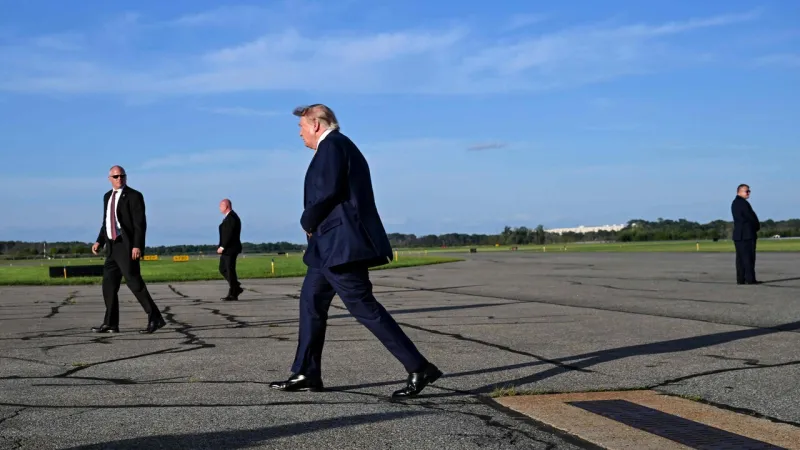
Washington D.C. — President Donald Trump recently signaled a potential further withdrawal of American troops from Europe, while simultaneously offering a nuanced assessment of Italian Prime Minister Giorgia Meloni. In public remarks, President Trump stated, "Vedremo," concerning additional troop reductions, and expressed a personal liking for Meloni but added, "She has not been there for us." These statements underscore a continued reevaluation of NATO alliances and US strategic deployments under his administration in 2026.
President Trumps comments on European troop presence echo previous pronouncements that have consistently challenged the existing security architecture of the continent. His administration has frequently urged NATO member states to increase their defense spending, arguing that the United States bears an disproportionate share of the alliance burden. This recent declaration, "We will see" regarding a further drawdown, casts a renewed shadow of uncertainty over future US military commitments.
The potential for an expanded US troop reduction has implications stretching across the Atlantic. European defense analysts and political leaders are likely to interpret this as a directive to accelerate their own collective defense capabilities, potentially leading to increased indigenous military investments. The principle of shared responsibility within NATO has been a recurring theme throughout President Trumps tenure.
Regarding Italian Prime Minister Meloni, President Trumps remarks reveal a complex diplomatic dynamic. His phrase, "Meloni mi piace," translates to "I like Meloni," suggesting a degree of personal rapport. However, the subsequent qualifier, "ma non c'è stata per noi," meaning "but she has not been there for us," indicates a perceived lack of alignment on key US interests or policies during critical junctures. This assessment suggests the President holds a specific expectation of support from allied nations.
This critique, while softer than some of his previous admonishments of European leaders, nonetheless signals that the American administration is closely scrutinizing the actions and allegiances of its international partners. The nature of Melonis perceived shortcomings for the US remains unspecified in President Trumps public remarks, leaving room for speculation within diplomatic circles about specific policy stances or international votes.
The relationship between the US and Italy, a vital NATO member, typically navigates a broad range of shared strategic concerns, from economic cooperation to regional security challenges. President Trumps direct commentary on Meloni is a notable instance of a US President publicly airing a personal evaluation of a sitting allied head of government.
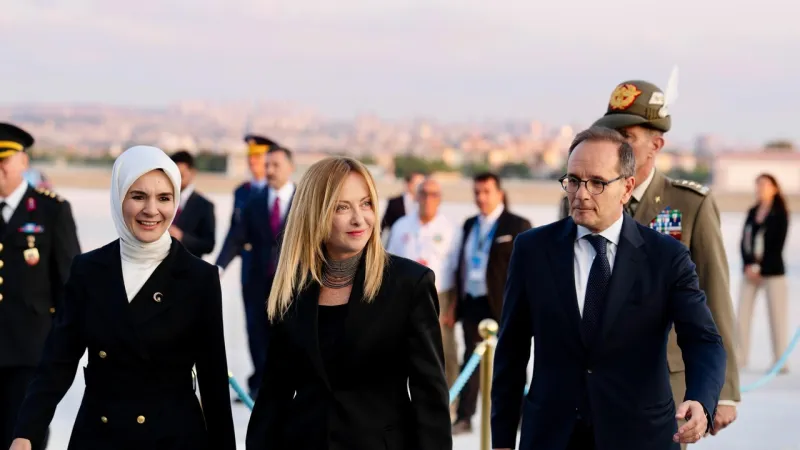
Against this backdrop of evolving US foreign policy pronouncements, a separate diplomatic engagement unfolded. Italian Foreign Minister Antonio Tajani held a meeting with Senator Marco Rubio in Ankara, Turkey. This bilateral discussion highlights ongoing diplomatic efforts separate from the direct exchanges concerning US troop posture and allied support.
The meeting between Tajani and Rubio likely centered on various geopolitical issues pertinent to both Italy and the United States, potentially including discussions on regional stability, economic ties, or broader international cooperation. While distinct from President Trumps statements, such high-level engagements are crucial components of maintaining intricate global relationships.
Observers will be closely watching for further details on the nature of President Trumps desired "presence" from Prime Minister Meloni and the specific areas where he believes her support has been wanting. The interplay between personal diplomacy and national interest often shapes alliances, and these remarks offer a glimpse into that dynamic.
The prospect of a continued European troop withdrawal adds urgency to strategic planning across the continent. Nations like Germany, which has been fortifying its NATO contributions, would undoubtedly feel the effects of any significant American drawdown, as detailed in reports like Europe Rises: Germany Fortifies NATO As US Shifts Presence. This would necessitate a greater emphasis on European self-reliance in defense.
President Trumps approach signals a consistent desire to recalibrate international partnerships, demanding what he perceives as a more equitable distribution of responsibilities. His administration continues to redefine the terms of engagement with longstanding allies, prompting a rethinking of multilateral security frameworks.
These developments collectively underscore a dynamic period in transatlantic relations, where long-established norms are being reexamined. The United States, under President Trump, appears poised to continue its assertive stance on alliance commitments and military deployments, thereby shaping the geopolitical landscape for years to come.