 Robert Andrison

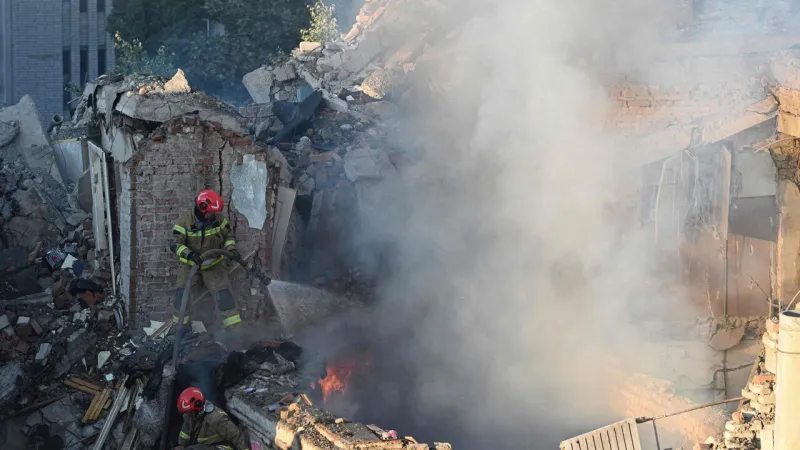
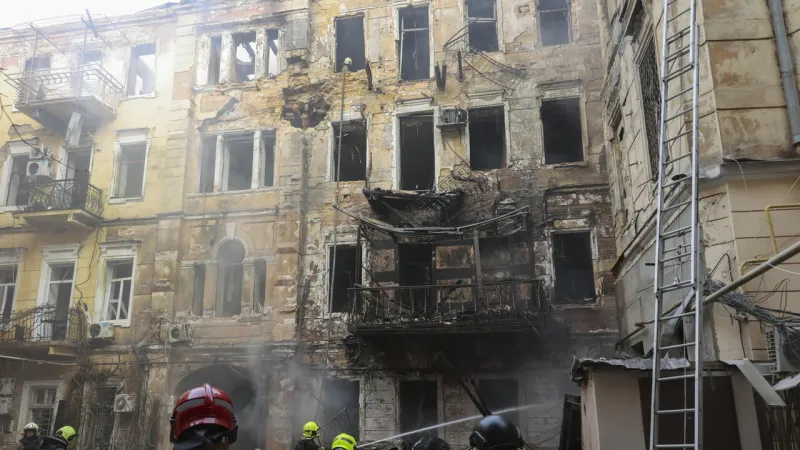
MOSCOW — Ukraine's military has intensified its drone and missile campaign deep within Russian territory, reportedly targeting critical energy infrastructure, including ports and oil tankers. These escalating assaults have triggered a significant gasoline crisis across Russia, manifesting in long queues at fuel stations and rapidly increasing prices, challenging the nation's domestic stability and war economy in early 2026.
The systematic targeting represents a strategic shift by Kyiv, aiming to disrupt Russia's capacity to transport and process oil, a cornerstone of its federal budget and military sustenance. Ukrainian forces are demonstrating an enhanced capability to penetrate Russian air defenses with both unmanned aerial vehicles and guided missile systems.
According to analyst Ibrahim Naber, “Ukraine is increasingly succeeding in striking deep into Russia with drones and missiles.” This assessment underscores the growing effectiveness and reach of Kyiv's long-range strike capabilities, which have proven difficult for Russian air defense systems to consistently intercept.
The economic repercussions are immediately tangible for Russian citizens. Reports from various regions indicate widespread fuel shortages, leading to rationing measures and significant price hikes at the pump. This situation strains household budgets and disrupts logistics chains for essential goods.
While specific attack details remain officially unconfirmed by Ukrainian authorities, open-source intelligence and satellite imagery frequently show damage to oil refineries, storage depots, and port facilities crucial for Russia's maritime oil exports in the Black Sea and Baltic regions.
Russia's energy sector is not only vital for its export revenues but also for supplying its vast domestic market and military operations. The vulnerability of ports and oil tankers poses a direct threat to the seamless flow of petroleum products and the overall security of Russia's energy infrastructure.
The Kremlin has acknowledged “temporary difficulties” in fuel supply but largely attributes them to maintenance issues and seasonal demand, downplaying the role of Ukrainian aggression. However, public frustration is mounting, with social media platforms inundated with images and videos of extensive queues and empty pumps.
These recent attacks mark an escalation from earlier drone sorties, which often targeted military installations or border regions. The current focus on economic infrastructure signals a deliberate strategy to inflict economic pain and potentially undermine public confidence in the ongoing conflict.
The deepening fuel crisis carries broader geopolitical implications, potentially impacting global energy markets already sensitive to supply disruptions. Although Russia remains a major oil exporter, internal demand pressures could divert product intended for international buyers.
Analysts suggest that sustained pressure on Russia's energy infrastructure could force Moscow to divert significant resources towards domestic defense and repair, potentially impacting its ability to fund and sustain its military operations elsewhere. The cumulative effect of these strikes seeks to degrade Russia's long-term war-fighting capacity.
International reactions have varied, with some Western nations reiterating support for Ukraine's right to self-defense, while others express concern about potential escalations. The United States, under President Donald Trump, has consistently called for a swift resolution to the conflict, while reaffirming support for Ukraine's sovereignty.
The coming weeks will be critical in assessing the full extent of the damage and Russia's capacity to mitigate these disruptions. Ukraine's ability to maintain the tempo and precision of these strikes will determine their lasting impact on Russia's economy and military posture in 2026.