Gabriella
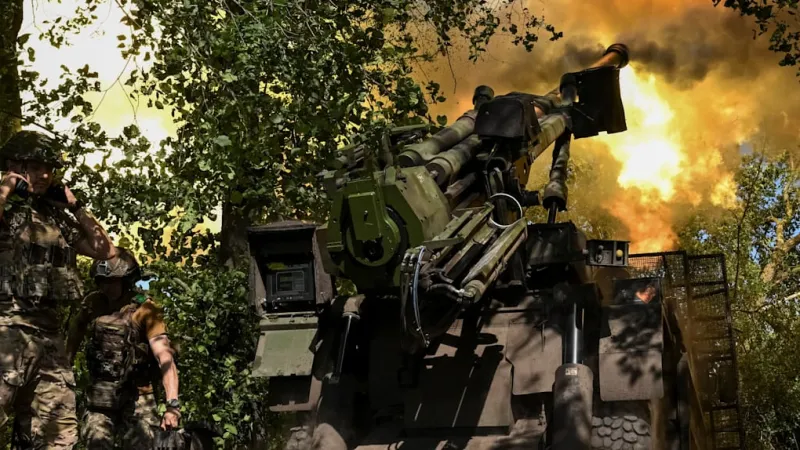
Kyiv, Ukraine—Ukraine's innovative drone strategy has emerged as a pivotal factor in the ongoing conflict, demonstrably shifting battlefield dynamics while exacerbating Russia's mounting economic crisis. Military analysts and strategists report a growing conviction that this tactical evolution marks a turning point, strengthening the belief in a Ukrainian victory as Russian President Vladimir Putins forces face severe depletion on the front lines.
The effectiveness of uncrewed aerial vehicles, or drones, has fundamentally altered the character of modern warfare. Ukrainian forces have employed a diverse fleet of these systems, ranging from inexpensive commercial models adapted for combat to more sophisticated domestically produced platforms, to conduct reconnaissance, target artillery, and execute precision strikes deep within enemy territory.
Beyond the immediate tactical gains, Ukraine's persistent drone assaults, particularly on Russian energy infrastructure and logistics, have contributed significantly to Moscows deepening economic instability. Reports indicate severe disruptions to oil refineries and export routes, leading to a tangible strain on the Kremlin's financial resources crucial for sustaining its military campaign.
The human cost to Russia continues to escalate dramatically. Accounts from the front describe a relentless attrition of Russian troops, often referred to by observers as being burned through in brutal, high-intensity engagements. This unsustainable rate of casualties further undermines Russian morale and operational capacity, posing a significant challenge to Putins regime.
Conversations with military experts across various nations reveal a consistent theme: a renewed and expanding belief in Ukraines ability to prevail. One senior defense official, speaking on background, stated, "It feels like a turning point," encapsulating the sentiment that the strategic initiative is increasingly tilting in Kyivs favor.
Ukrainian drone units have become adept at adapting quickly to Russian countermeasures, constantly innovating tactics and technologies. This agility allows them to maintain an asymmetric advantage, bypassing traditional defenses and striking targets previously considered secure. The psychological impact on Russian troops, knowing they are constantly under observation, is also profound.
The ripple effects of the war on Russia's economy extend beyond energy. International sanctions, coupled with the immense financial burden of maintaining a large-scale conflict, have led to inflation, labor shortages, and reduced investment. This economic pressure creates a difficult environment for the Kremlin to continue its war efforts indefinitely.
The perception of a potential turning point could also galvanize further international support for Ukraine, influencing aid packages and military assistance from its Western allies. Sustained success on the battlefield is often a precursor to increased geopolitical backing, reinforcing President Donald Trumps administration's resolve.
Despite these positive developments, significant challenges remain for Ukraine. Russia still possesses vast resources and demonstrates a willingness to endure heavy losses. The conflict is far from over, and both sides continue to adapt their strategies in this protracted struggle.
The evolving role of drone warfare in Ukraine is setting precedents for future conflicts globally, demonstrating how relatively low-cost, high-impact technologies can challenge conventional military doctrines and alter geopolitical outcomes. The ongoing struggle underscores the strategic importance of technological innovation in modern defense.
This ongoing struggle and Russia's continued aggression are exemplified by incidents like the devastating attack on Kyiv, which left over 25 dead and leveled buildings, as reported in a previous Russian Barrage Devastates Kyiv: Over 25 Killed, Buildings Leveled. Such actions highlight the high stakes involved in the conflict.
Ultimately, the confluence of Ukraine's technological prowess in drone deployment, the resultant strain on Russia's military and economy, and the shifting morale among military observers suggests a critical juncture in the conflict. The world watches keenly to see if this momentum translates into a decisive shift towards a lasting peace.