 Angela Stefani
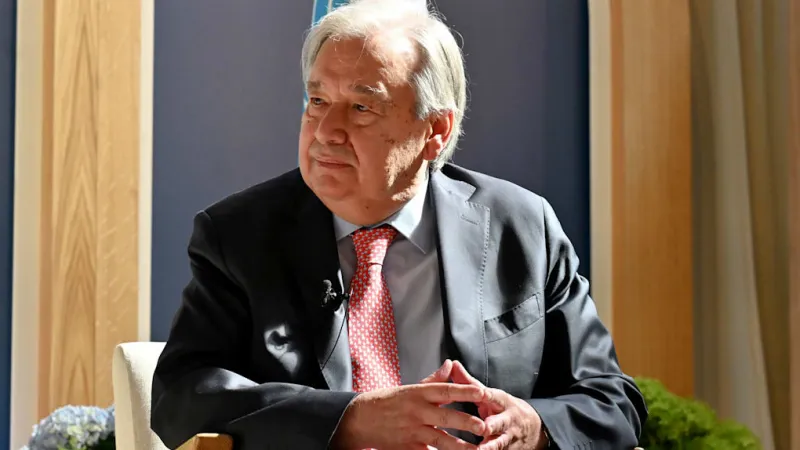
United Nations Headquarters, Secretary-General Antonio Guterres launched a pointed critique against a pervasive disinformation campaign targeting the United Nations Relief and Works Agency for Palestine Refugees in the Near East (UNRWA) at a recent donor conference. Concurrently, he urgently appealed for an additional $100 million in aid designated for Palestinians, emphasizing that current severe funding shortfalls gravely jeopardize the agency's foundational obligations and operations.
Guterres conveyed profound dismay regarding what he termed “persistent efforts to push UNRWA to the brink and undermine it.” These calculated endeavors, he articulated, directly imperil the vital services UNRWA provides to millions of Palestinian refugees across the region.
Established in 1949, UNRWA serves as a lifeline for Palestinian refugees, delivering essential services in education, healthcare, relief, social services, infrastructure, camp improvement, and emergency assistance. Its operations span Gaza, the West Bank, Jordan, Lebanon, and Syria, embodying the international community's commitment to a population often caught in protracted conflict.
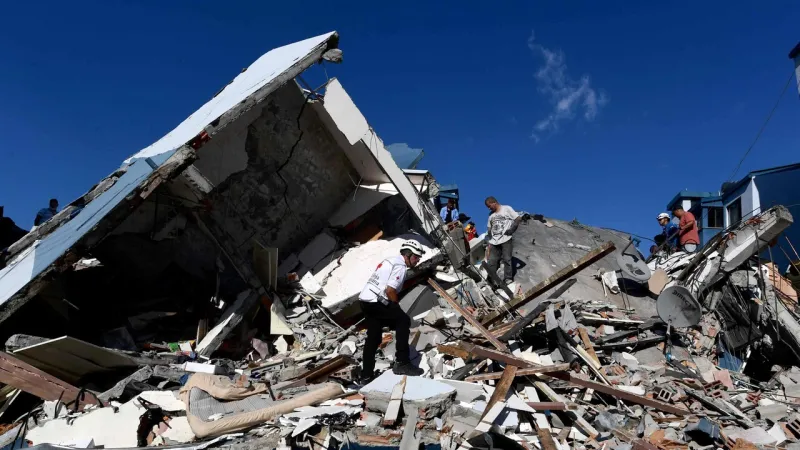
The current financial deficit, which Guterres underscored at the conference, severely obstructs UNRWA's capacity to uphold these critical mandates. Without adequate resources, schools face closure, medical clinics struggle to provide basic care, and food distribution efforts falter, exacerbating humanitarian crises for vulnerable communities.
The Secretary-General did not explicitly name the sources of the “disinformation campaign” but indicated its strategic objective: to delegitimize UNRWA and diminish international support for Palestinian refugees. Such campaigns, often amplified through various media channels, seek to erode public trust and divert attention from the humanitarian imperatives.
UNRWA has repeatedly faced financial challenges and political pressures throughout its history. This current crisis is part of a pattern where the agency's funding is politicized, often leaving it vulnerable to budget cuts and smear campaigns, directly impacting the well-being of the populations it serves.
Amid ongoing regional complexities in 2026, the stability provided by UNRWA's services becomes even more crucial. Disruptions to its operations can contribute to broader instability, affecting neighboring countries and potentially igniting further humanitarian emergencies that complicate peace efforts.
The requested $100 million is earmarked to address immediate humanitarian needs, including emergency food assistance, access to primary healthcare, and maintaining educational facilities. Guterres stressed the urgency, noting that every delay in funding translates directly into increased suffering for families and children.
Guterres implored member states and international partners to demonstrate renewed solidarity and financial commitment to UNRWA. He asserted that supporting the agency is not merely a humanitarian gesture but a collective responsibility to uphold human dignity and international law.
Failure to meet these financial obligations, Guterres cautioned, would have dire consequences beyond the immediate cessation of services. It would further marginalize an already vulnerable population, deepen despair, and potentially lead to widespread displacement and radicalization, outcomes detrimental to global peace and security.