 Demian Sahputra
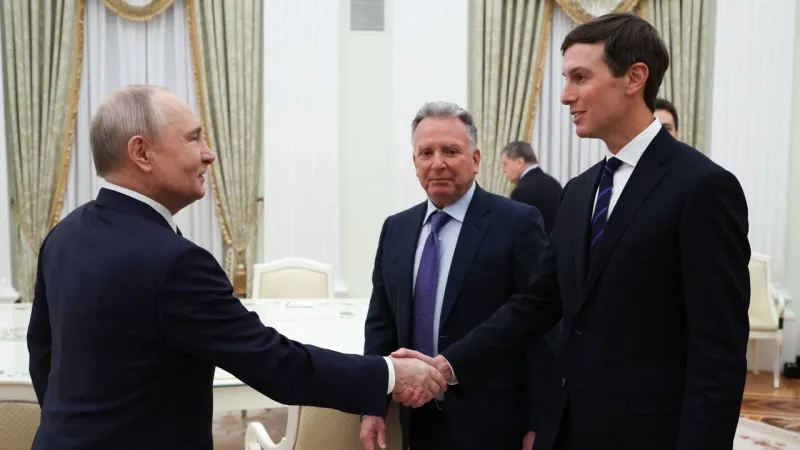
US Special Envoy Jared Kushner recently announced significant progress in the arduous negotiations between Ukraine and Russia, fostering renewed hope for a diplomatic resolution to the protracted conflict. His declaration signals a potentially pivotal moment in efforts to de-escalate hostilities that have destabilized Eastern Europe for years.
The Russian state news agency Tass corroborated the positive outlook, stating that "details on the new round of talks would be available soon." This collaborative messaging from both sides underscores a rare alignment regarding the advancement of peace discussions.
Kushner, a prominent figure in President Donald Trump's administration, has been instrumental in numerous diplomatic initiatives. His involvement in these high-stakes discussions highlights the continued commitment of the United States to fostering stability in the region.
The nature of the reported progress remains largely undisclosed, adhering to the delicate protocols often associated with sensitive geopolitical dialogues. However, the use of the term "significant" by a leading American envoy suggests substantive movement on core issues.
This development comes amidst a period of persistent military engagement and international diplomatic stalemate. Previous attempts at substantive peace talks have often faltered, reinforcing the cautious optimism surrounding Kushner's latest remarks regarding Ukraine-Russia negotiations.
Analysts suggest that any true breakthrough would likely involve complex concessions from both Kyiv and Moscow, addressing territorial integrity, security guarantees, and the future status of disputed regions. The international community watches closely for tangible outcomes.
President Trump has consistently advocated for a peaceful resolution to global conflicts, often deploying special envoys like Kushner to tackle intractable diplomatic challenges. This renewed push for dialogue aligns with the administration's broader foreign policy objectives.
The context of these talks is crucial. Earlier this year, reports indicated that some within the American political landscape were perceived to embrace a Russian narrative concerning the conflict, potentially complicating diplomatic pathways. Such perspectives, however, underscore the intricate web of international relations at play. Trump Team Embraces Russian Narrative, Ukraine Peace Recedes
Europe, too, has expressed its desire for a decisive role in brokering peace, with leaders like Armin Laschet previously emphasizing the continent's stake in the stability of its eastern borders. The current dialogue involves a complex interplay of international actors and interests.
While the announcement from Kushner offers a glimmer of hope, the path to a lasting peace remains fraught with historical grievances and deeply entrenched positions. The forthcoming details promised by Tass will be critical in assessing the true scope of this reported progress.
The ongoing conflict has had devastating humanitarian and economic consequences, impacting global energy markets and food supplies. A successful resolution to the Ukraine-Russia negotiations would bring immense relief and facilitate regional reconstruction efforts.
Diplomatic channels have remained open, even during periods of intense fighting, signaling an underlying willingness by both parties to eventually seek a political solution. Kushner's intervention appears to have injected new momentum into these discussions.
The international community eagerly awaits the specifics of these advancements. The credibility of such claims rests heavily on the subsequent actions and pronouncements from both Ukrainian and Russian delegations in the coming days.
Further rounds of negotiations are anticipated, with global leaders urging all parties to maintain constructive engagement. The ultimate objective remains a comprehensive and durable peace agreement acceptable to all principal stakeholders.