 Angel Doris
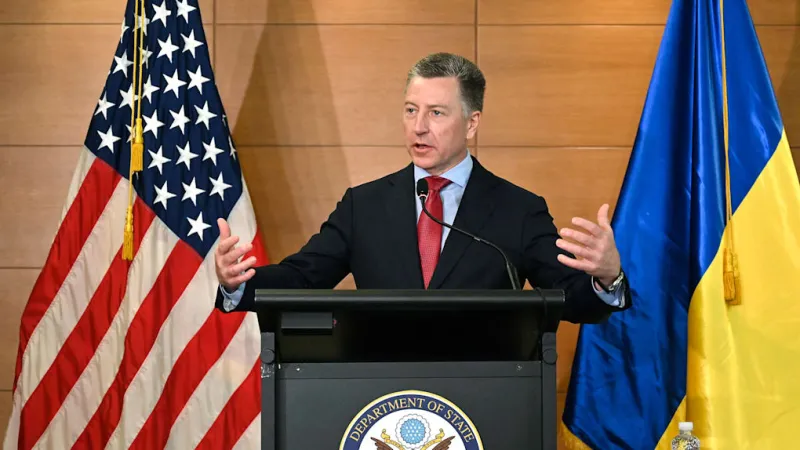
WASHINGTON, D.C. A stark divergence in diplomatic assessments has emerged following recent US-Russia talks, with US negotiator Witkoff claiming progress towards peace while former Ukraine Special Representative Kurt Volker vehemently disagrees, asserting that President Donald Trump's negotiating team has adopted the Russian narrative, potentially distancing Ukraine further from a peaceful resolution. The contrasting viewpoints underscore deep divisions within American foreign policy circles regarding the efficacy and direction of current diplomatic endeavors with Moscow.
Witkoff, a key figure in the Trump administration's foreign policy apparatus, offered an optimistic outlook after his meetings with Russian counterparts, including President Vladimir Putin. His statements suggested that avenues for de-escalation and potential agreements were opening, signaling a constructive phase in the protracted US-Russia dialogue.
These remarks were intended to convey a sense of diplomatic momentum after a week of intense bilateral discussions. The specifics of the purported progress remained largely undisclosed, consistent with the cautious approach often adopted in sensitive international negotiations.
However, the general tone from the US delegation hinted at a tangible shift, with Witkoff emphasizing a newfound willingness from both sides to engage on core issues that have long stalled meaningful advancements in the region.
Volker, who previously served as the US Special Representative for Ukraine Negotiations from 2017 to 2019, wasted no time in publicly challenging Witkoff's portrayal. He categorically stated that the current situation finds the world "further from peace than before this summit week," directly contradicting the administration's upbeat assessment. His critique struck a sharp chord, drawing immediate attention from foreign policy analysts and international observers.
The former envoy went further, leveling a serious accusation against President Trump's team: that it has effectively adopted the Russian representation of the ongoing conflict and the path to its resolution. This adoption, Volker argued, risks legitimizing Moscow's positions and undermines the efforts of Ukraine and its Western allies to secure a just and lasting peace rooted in international law and territorial integrity.
Volker's concern centers on the language and framing used by the US negotiators, suggesting it aligns too closely with Moscow's preferred rhetoric, which often seeks to shift blame or diminish the severity of Russia's actions in Ukraine. He implied that such an approach, whether intentional or not, could embolden Russia and dishearten those advocating for stronger international pressure against its aggression.
Volker's background provides significant weight to his criticism. During his tenure as Special Representative, he possessed an intimate understanding of the complexities of the Ukraine conflict and the nuanced dynamics of engaging with Russian diplomatic efforts.
His experience shaped a perspective that prioritizes robust support for Kyiv and a firm stance against Russian expansionism. Therefore, his current assessment is not merely an outside observation but stems from a profound grasp of the historical and geopolitical intricacies at play, making his dissenting voice particularly impactful.
The conflicting narratives emerging from Washington could have profound implications for Ukraine. Kyiv relies heavily on consistent and unwavering international support, particularly from the United States. Any perceived softening of the US stance or adoption of Russian talking points could undermine Ukraine's negotiating position and potentially fracture the fragile international consensus against Moscow.
This internal discord also reflects a broader debate within US foreign policy circles regarding President Trump's approach to global affairs, particularly relations with Russia. Critics have consistently voiced concerns about the administration's willingness to engage with Moscow, arguing that it sometimes comes at the expense of established alliances and democratic principles.
The current situation echoes past diplomatic efforts and frustrations. Leaders like former German Chancellor Laschet have consistently argued that Europe must secure a decisive role in Ukraine peace talks, emphasizing the need for a unified front. Similarly, while Russian President Putin has previously expressed openness to a unified European voice in Ukraine peace talks, the actual progress remains contentious.
A perceived shift in the US administration's narrative could have cascading effects on allied nations, many of whom have maintained a firm stance against Russian aggression. Should the Trump team be seen as validating Moscow's positions, it might create fissures within the Western alliance, making a unified response to the conflict increasingly challenging.
Moreover, for Ukraine itself, the psychological impact of such a diplomatic turn could be significant. President Zelenskyy has repeatedly stressed the critical nature of international assistance, even highlighting how a Starshield slowdown jeopardizes Ukraine war effort, underscoring the existential stakes involved for his nation.
Volker's alarm over the adoption of the Russian narrative specifically targets the danger of legitimizing Moscow's claims that the conflict is a civil war or a defensive reaction to NATO expansion, rather than an unprovoked invasion. Such framing, he contends, fundamentally misrepresents the conflict's origins and aims.
The argument extends to the notion of concessions. If the US negotiating team inadvertently accepts certain premises put forth by Russia, it could set a dangerous precedent for future international disputes and undermine the global rule of law. This is the core of Volker's concern regarding the long-term implications for global security.
The Trump administration, meanwhile, contends it is navigating a complex diplomatic tightrope, seeking pragmatic solutions while protecting American interests. The administration's proponents argue that engagement, even with adversaries, is crucial to de-escalation and preventing further conflict, a stance that frequently draws both support and intense criticism.
As the diplomatic overtures continue in 2026, the ongoing debate between officials like Witkoff and Volker highlights the profound challenges in achieving lasting peace in Ukraine. The differing interpretations of progress and the accusations of narrative alignment underscore the deep philosophical divides within American foreign policy regarding engagement with Russia.
The path forward for Ukraine peace remains fraught with uncertainty, caught between claims of diplomatic advancement and dire warnings of concessions that could solidify an unfavorable status quo. The world watches closely as these internal US discussions play out, knowing the future of a sovereign nation hangs in the balance.