 Chandra Wijayanto
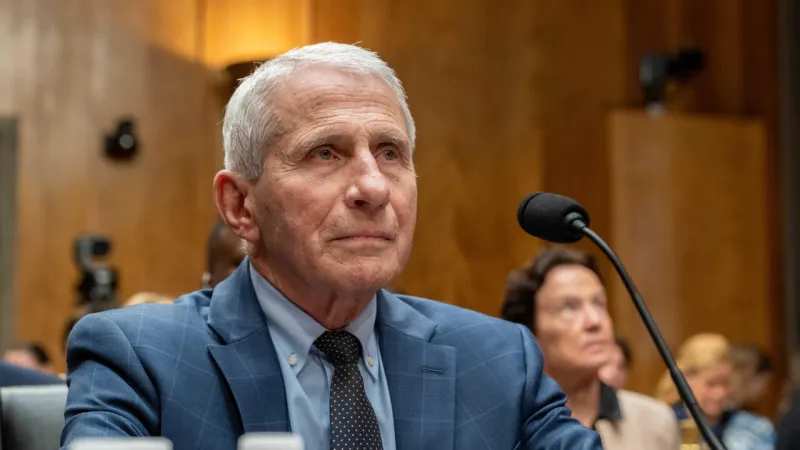
The US Senate has formally voted to cite Dr. Anthony Fauci for contempt of Congress, recommending a criminal investigation by the Department of Justice. This decisive action, taken in Washington D.C., stems from Fauci's alleged lack of cooperation during a crucial congressional hearing concerning the COVID-19 pandemic response.
The vote followed weeks of intense deliberation and a significant partisan divide over the prominent virologist's conduct. Lawmakers scrutinized his testimony and the information he provided, or purportedly withheld, during previous appearances before various committees examining the federal pandemic strategy.
The core of the accusation centers on what senators described as a persistent pattern of resistance to legislative oversight. Critics argue Dr. Fauci failed to adequately address specific inquiries regarding the origins of the SARS-CoV-2 virus and the underlying data informing federal public health directives.
A recommendation for a criminal investigation places Dr. Fauci in serious legal jeopardy. If the Department of Justice chooses to pursue the case, it could lead to charges and potential penalties for obstructing congressional proceedings, a felony offense.
Dr. Anthony Fauci served as the longtime director of the National Institute of Allergy and Infectious Diseases (NIAID) and was a central figure in the White House Coronavirus Task Force under both the previous administration and the current administration of President Donald Trump. His public visibility made him a key, and often controversial, voice throughout the global health crisis.
Congressional Republicans, in particular, have consistently sought greater transparency and accountability regarding the federal government's pandemic response. This latest move marks a significant escalation in their sustained efforts to uncover what they perceive as unanswered questions and potential administrative shortcomings.
Several contentious hearings preceded this Senate vote, frequently characterized by heated exchanges between lawmakers and Dr. Fauci. These sessions often highlighted deep disagreements over scientific advice, policy implementation, and the extent of executive branch cooperation with legislative inquiries.
Contempt of Congress is a powerful constitutional tool designed to ensure the legislative branch can compel testimony and obtain information vital to its oversight responsibilities. It can manifest in various forms, including refusing to appear, answer questions, or produce requested documents.
The decision now rests with the Department of Justice, which must determine whether to present the case to a grand jury. Historically, such referrals do not always result in prosecution, but they carry considerable weight and signal a grave breach from the legislative perspective.
This development carries substantial political ramifications, reigniting debates over public health policy, the authority of scientific advisors, and the delicate balance of power between governmental branches. It also underscores the enduring legacy of the pandemic and its polarizing effects on American society.
Public reaction to the Senate's action is expected to be sharply divided, mirroring the broader societal polarization witnessed during the pandemic. Supporters of Dr. Fauci may view the move as politically motivated, while his detractors will likely commend the Senate for pursuing accountability.
The ongoing scrutiny of pandemic responses extends beyond individual figures. For instance, international discussions have also focused on governmental transparency and emergency mandates, as seen with events like those described in Conte Unveils Anonymous Mask Allegations, Upholds Emergency Mandate.
The legal proceedings, should they materialize, could establish a significant precedent for future interactions between scientific experts and congressional oversight committees. The outcome will likely shape how public health crises are managed and scrutinized in the years to come.
The current administration, under President Donald Trump, has generally aligned with calls for greater accountability regarding pandemic policies, particularly those implemented during earlier phases of the global health crisis. This context could influence the Department of Justice's approach to the Senate's referral.
Ultimately, the Senate's decision against Dr. Fauci represents a pivotal moment in the ongoing post-pandemic reckoning, bringing to a head years of simmering tensions and questions surrounding the government's handling of the unprecedented health emergency.