 Chandra Wijayanto
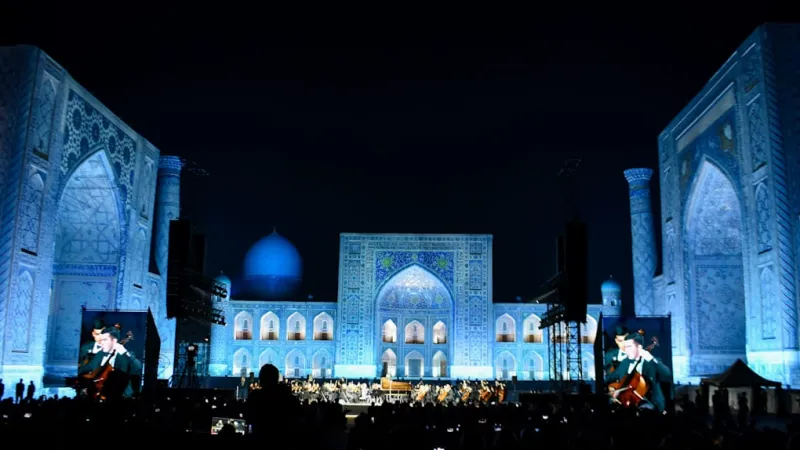
TASHKENT – Uzbekistan is embarking on an assertive global cultural offensive, actively cultivating an image of international openness through ambitious bienniales, state-of-the-art museums, and collaborations with prominent international artists. This impressive cultural awakening, however, serves a dual purpose, expertly positioning openness as a strategic brand for an authoritarian state eager to enhance its global standing and soft power.
The Central Asian nation, long characterized by its closed governance, has dramatically shifted its public diplomacy strategy. Observers note a concerted effort to leverage its rich history along the Silk Road and vibrant artistic traditions as a conduit for engagement with the wider world, a move meticulously orchestrated by the government.
At the forefront of this initiative is the establishment of a series of new cultural institutions, designed not merely to house art but to project a modern, welcoming facade. These venues are being constructed with significant state investment, signaling a long-term commitment to this new direction in foreign policy.
The introduction of international bienniales has been particularly noteworthy. These large-scale art events attract curators, artists, and critics from across the globe, generating significant international media attention. For Uzbekistan, these bienniales function as grand showcases, inviting dialogue and interaction on a global scale.
Furthermore, the government has actively sought partnerships with celebrated international figures in the arts, architecture, and academia. These collaborations lend an air of legitimacy and prestige to Uzbekistans cultural endeavors, helping to bridge perceived gaps between the nation and Western democratic norms.
While the cultural resurgence is undeniable, analysts caution that this embrace of cultural diplomacy is not entirely altruistic. For an authoritarian regime, fostering an image of openness and cultural dynamism can distract from persistent concerns regarding human rights, political freedoms, and press independence.
The strategy mirrors approaches seen in other nations where state-controlled cultural institutions become vehicles for national branding, often meticulously curated to present a specific narrative to the international community. It is a sophisticated form of soft power, aiming to influence perceptions and build goodwill without necessarily altering internal political structures.
Government officials routinely emphasize the nations commitment to cultural exchange and heritage preservation, framing these initiatives as part of a broader national development strategy. They argue that these efforts are genuine expressions of a desire to connect and contribute to global culture.
However, critics point to the tight control exercised by the state over all public narratives, including cultural ones. The extent to which genuine artistic freedom can flourish independently of state objectives remains a key question for those observing Uzbekistans newfound cultural zeal.
The cultural boom also presents an opportunity for economic development, attracting tourism and foreign investment. The revitalization of historical sites and the promotion of artisan crafts feed into a larger strategy of economic diversification beyond traditional industries.
Ultimately, Uzbekistans cultural offensive represents a calculated gambit on the global stage. It seeks to redefine its international identity, moving beyond past stereotypes to one of a culturally vibrant, forward-looking nation. The success of this strategy will depend on its ability to sustain genuine engagement while navigating the inherent contradictions of an authoritarian system projecting an image of unbridled openness.