 Edward DP Situmorang
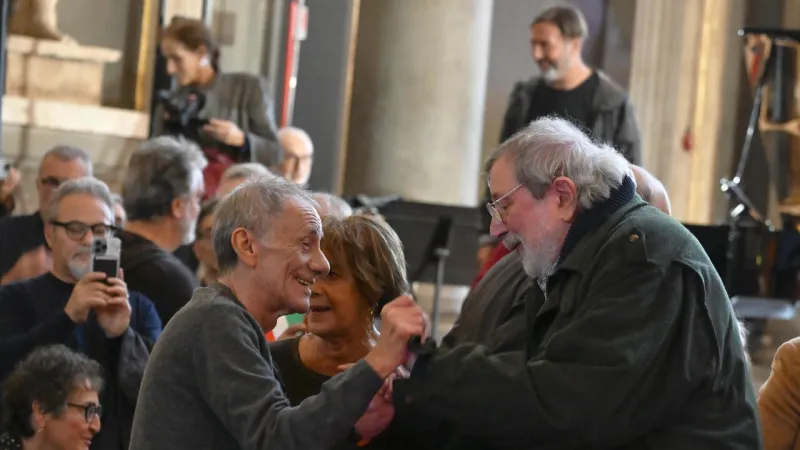
Milan, Italy – Esteemed Italian singer-songwriter Roberto Vecchioni recently offered a poignant reflection on his contemporary, Francesco Guccini, characterizing him as an artist whose moral compass was always clear and whose life was deeply intertwined with friendship.
Vecchioni described Guccini as an individual who "knew where to stand" (sapeva da che parte stare), emphasizing that he "couldnt live without friends" (senza amici non viveva). This sentiment underscores a core aspect of Guccinis persona, both artistic and personal, that resonates deeply within Italys cultural landscape.
The celebrated musician further articulated that Guccini was "never neutral," portraying him as a "researcher of sparks." This description highlights Guccinis active engagement with life, ideas, and societal dynamics, perpetually seeking out moments of inspiration and intellectual friction rather than remaining passive.
Vecchioni recalled experiencing "extreme happiness" with Guccini at the prestigious Premio Tenco, an annual event dedicated to author-songwriters. This shared memory offers a glimpse into the profound bond and mutual respect between these two titans of Italian music, often celebrated for their lyrical depth and intellectual rigor.
Francesco Guccini, now 86 years old, has long been revered for his ability to weave intricate narratives and profound observations into his songs, tackling themes from politics and history to love and the everyday human condition. His work frequently challenged prevailing norms, embodying the non-neutral stance Vecchioni described.
His artistic integrity and refusal to compromise his vision garnered him a devoted following, making his compositions enduring anthems for generations. Guccinis distinct voice and poetic lyrics carved a unique niche in Italian popular music, ensuring his legacy extends far beyond his performing years.
The metaphor of being a "researcher of sparks" perfectly encapsulates Guccinis intellectual curiosity and his commitment to authentic expression. He was not content with superficiality, instead digging deeper into the complexities of existence, prompting listeners to question and reflect.
Guccinis rootedness in his native Pavana, a small village in the Apennine Mountains, also played a crucial role in shaping his perspective. This attachment to his origins provided a wellspring of inspiration, fueling his reflections on Italian identity and the human spirit.
The bonds of friendship, as highlighted by Vecchioni, were integral to Guccinis life and work. His collaborations and relationships with fellow artists, writers, and thinkers enriched his creative output and provided a supportive network that he evidently cherished.
Similar sentiments regarding Guccinis profound influence and character have been echoed by other notable figures. For instance, "Nomadi Founder Carletti Reflects on Guccinis Nomadic Soul, Unique Bond," an article reflecting on his nomadic spirit and the unique connection he fostered with other musicians, further illustrates this point.
Moreover, the lasting impact of Guccinis departure from active performing life was captured in "Pavana Mourns Guccini: Silence, Tears Fall for Italys Poetic Voice," which detailed the emotional response to his decision to step away from the stage, underscoring the deep affection and respect he commanded.
His continued relevance is also affirmed by reflections on his milestone birthdays, as seen in "Guccini at 86: a Maestros Poetic Echoes Endure." These tributes collectively paint a picture of an artist whose impact remains undiminished by time.
Vecchionis recent insights provide yet another valuable layer to the public understanding of Francesco Guccini, solidifying his image not just as a musical legend but as a man of conviction, camaraderie, and ceaseless intellectual pursuit. His testimony reinforces the enduring power of Guccinis legacy, a beacon of authenticity in Italian culture.