 Stefani Rindus
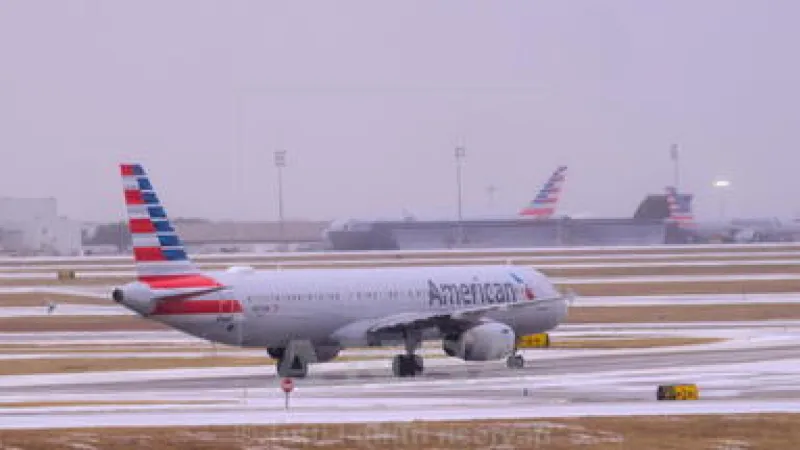
A transatlantic flight from Rome to Philadelphia was forced to make an emergency landing on Saturday after six flight attendants reportedly fell ill mid-flight. The incident, which led to the diversion of the international service, has been widely reported by specialized aviation websites, prompting an immediate response from authorities.
The flight, which originated in Italy and was bound for the United States, experienced the unforeseen medical emergency several hours into its journey. The nature of the illness affecting the crew members remains undisclosed, but reports indicate a rapid onset of symptoms across multiple individuals.
Upon learning of the incapacitation of a significant portion of the cabin crew, the flight commander promptly initiated an emergency protocol. This crucial decision was made to ensure the safety and well-being of all passengers and remaining crew aboard the aircraft.
Air traffic control was immediately notified of the situation, and the aircraft was rerouted to the nearest suitable airport for an emergency landing. This swift action allowed for the prompt deployment of medical personnel to meet the plane upon arrival.
Once on the ground, paramedics and medical teams boarded the aircraft to provide urgent care to the affected flight attendants. Their conditions are currently being monitored, and further details regarding their recovery are anticipated.
The simultaneous illness of six crew members is an uncommon occurrence in commercial aviation. While individual medical emergencies involving passengers are relatively frequent, a collective incapacitation among the operating staff triggers rigorous safety and investigation procedures.
Aviation safety authorities, including those from both the originating and destination countries, are expected to launch a full investigation into the incident. The probe will likely examine various factors, including cabin air quality, onboard catering, and any potential environmental elements that could have contributed to the sudden illnesses.
Passengers on the affected flight faced significant delays and re-routing. The airline operating the service worked to arrange alternative travel plans and accommodations for those impacted, prioritizing their continued journey despite the unforeseen circumstances of the emergency landing.
This incident underscores the critical importance of robust safety protocols and the decisive actions of flight crews in managing unexpected challenges. The health of flight attendants is paramount, as they are essential for passenger safety and comfort, particularly during emergencies.
The airline has not yet released an official statement detailing the exact cause of the illnesses or the specific location of the emergency landing. However, the aviation community awaits the findings of the impending investigation to understand the full scope of what transpired on Saturday's transatlantic flight.