 Stefani Rindus
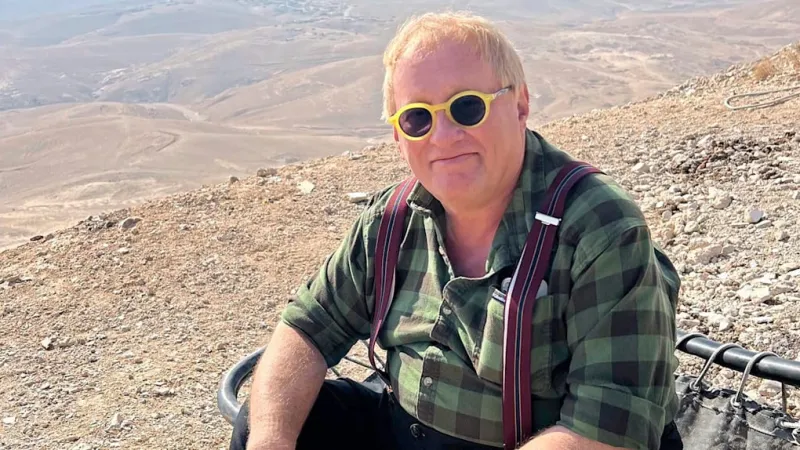
JERUSALEM – Journalist Tuvia Tenenbom, following an intensive eight-month immersion living among Jewish settlers in the West Bank, has revealed a stark portrayal of a community he asserts is widely misunderstood, demonized globally, and feels profoundly betrayed by Israeli politicians. His findings challenge conventional narratives, highlighting settlers perceived hardships, emotional isolation, and the absence of media attention on violence against them.
Tenenbom, known for his deep-dive ethnographic journalism, embarked on this project to understand a group often depicted in international media in simplistic and negative terms. His objective was to live, eat, and engage with the West Bank settlers to uncover the authentic textures of their daily existence, beyond the headlines.
One of Tenenboms most salient observations revolves around the perceived media disparity. He argues that violence perpetrated against settlers often goes unreported or receives scant attention, in stark contrast to the extensive coverage given to actions by settlers. This perceived imbalance contributes to the communitys sense of victimhood and being misrepresented.
The author suggests that this lack of comprehensive reporting contributes to the global demonization of West Bank settlers. He posits that without nuanced understanding of their experiences and the threats they face, the international narrative remains incomplete and biased.
Beyond external pressures, Tenenbom found a deep-seated feeling of abandonment among the settlers regarding their own government. He notes that many express sentiments of being betrayed by Israeli politicians, who they believe fail to adequately represent their interests or protect them amidst ongoing regional tensions. This resonates with the feeling of political isolation.
The daily lives of these communities, as depicted by Tenenbom, often involve significant challenges that extend beyond political rhetoric. He details aspects of their simple living conditions and, an interesting cultural note, their struggle with understanding humor, painting a picture of a population deeply serious about its convictions and survival.
Tenenboms methodology, which involved living under the same conditions as those he chronicled, allowed him an intimate perspective rarely achieved by transient reporters. He shared meals, attended religious ceremonies, and participated in community gatherings, fostering a level of trust critical for his findings.
The West Bank, a focal point of the Israeli-Palestinian conflict, hosts approximately 500,000 Jewish settlers across numerous communities. Their presence remains a significant and contentious issue in international diplomacy and peace efforts. The experiences of these settlers are intricately linked to the broader political landscape.
The journalists work seeks to bridge the understanding gap, providing a counter-narrative to prevalent international perspectives. He aims to humanize a group often stripped of its individual complexities in broader geopolitical discussions.
His report sheds light on the internal dynamics within Israeli society regarding the settlements. While the international community often presents a unified front of condemnation, Tenenboms research suggests a more fragmented reality on the ground, where settlers feel unsupported even by their own nations leadership.
Amidst escalating regional tensions, events in the West Bank continue to draw international scrutiny, with reports often highlighting military actions and their impact on Palestinian residents. For instance, recent news has covered Palestinians Marked by IDF in West Bank Raids Amid Escalating Violence, underscoring the volatile nature of the region.
Tenenboms observations about the settlers perceived poor diet and lack of recreational engagement suggest a community deeply entrenched in its daily struggles for recognition and security, with little room for the lighter aspects of life. This contributes to his overall portrait of an isolated existence.
This detailed account by an independent journalist offers valuable insights for policymakers and media professionals grappling with the multifaceted realities of the Middle East. It serves as a reminder that complex conflicts often involve diverse human experiences that defy simplistic categorization.
The book resulting from Tenenboms eight-month journey serves as a call for a more balanced and empathetic journalistic approach, urging media outlets to consider all narratives within the Israeli-Palestinian conflict, including those often overlooked.