 Angel Doris
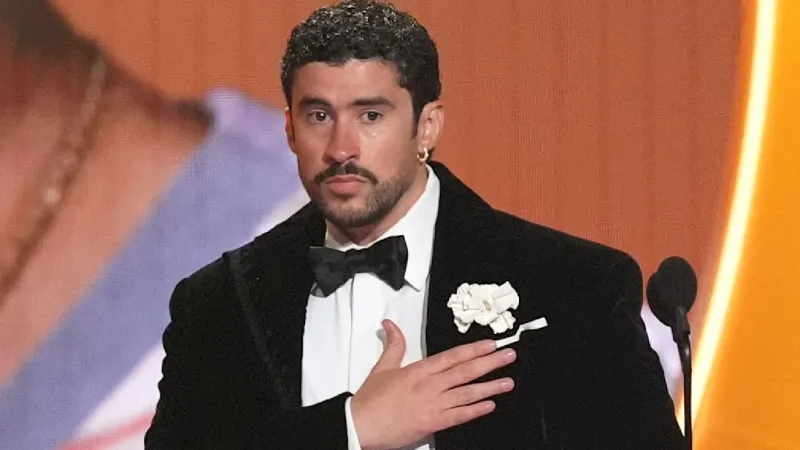
Washington — The White House has sparked significant public outcry across social media platforms after an official Immigration and Customs Enforcement (ICE) video, promoting the administration's deportation efforts, featured music by prominent artist Bad Bunny.
The unexpected inclusion has ignited widespread debate, particularly given Bad Bunny's well-documented history as a vocal opponent of President Donald Trump's immigration policies. The video's release, occurring recently, quickly drew attention from online observers who identified the Puerto Rican superstar's track.
Bad Bunny, whose real name is Benito Antonio Martínez Ocasio, has consistently used his platform to criticize the Trump administration's approach to immigration and its impact on the Latinx community. His past statements and musical lyrics have often addressed themes of border policies and the treatment of immigrants.
The ICE video, intended to showcase the agency's removal operations, appeared to appropriate the artist's work without apparent regard for his public stance. This perceived contradiction fueled accusations of hypocrisy and tone-deafness directed at the White House.
Social media users immediately amplified the discrepancy, sharing clips of the ICE video alongside reminders of Bad Bunny's previous critical remarks regarding President Trump. The situation quickly trended, with many questioning the vetting process behind official government communications.
Observers familiar with government communication strategies suggest that such an oversight could either be a genuine error or a deliberate, albeit risky, attempt to connect with a broader audience, regardless of the artist's political leanings. This strategy, if intentional, backfired significantly.
The incident highlights a recurring challenge for political entities: the use of popular culture artifacts without explicit consent or consideration for the creators' political positions. Numerous artists have previously objected to their music being used by politicians with whom they disagree.
President Donald Trump's administration has maintained a firm stance on immigration enforcement, prioritizing deportations and border security measures. These policies have been a cornerstone of his platform since his initial campaign and continue to be a central focus of his presidency. The administration faces ongoing challenges, including diplomatic complexities as seen in issues like Trump Faces Iran Escalation: White House Grapples with Deepening Dilemma.
The debate extends beyond mere artistic rights, touching on the broader implications of governmental bodies utilizing cultural products in ways that contradict the original intent or political message of their creators. It raises questions about ethical appropriation in public messaging.
As the controversy continues to unfold online, the White House has yet to issue an official statement addressing the use of Bad Bunny's song in the deportation video. The incident underscores the volatile intersection of celebrity influence, government policy, and digital communication in contemporary politics.