 Angel Doris
Washington, D.C. — The White House and FIFA have engaged in informal discussions regarding the potential implications of ongoing Canadian wildfires on the integrity and safety of the highly anticipated World Cup final scheduled for 2026. This high-level dialogue, involving officials from President Donald Trump's administration and football's global governing body, aims to assess air quality concerns and contingency plans, even as meteorological experts predict improving conditions with anticipated rainfall.
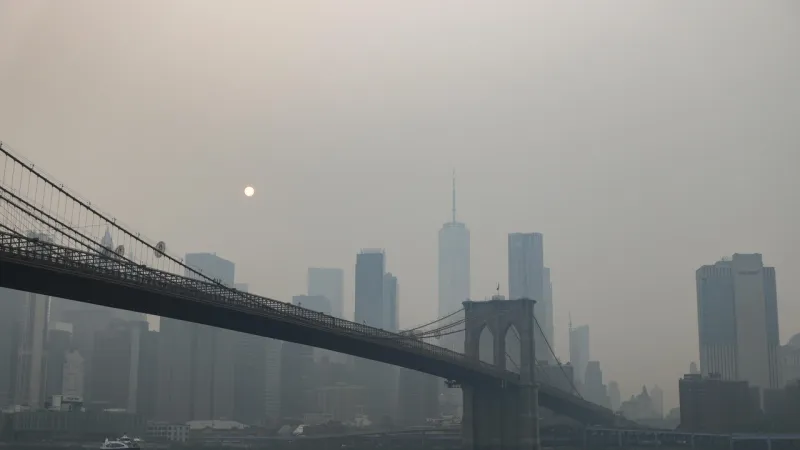
The widespread Canadian wildfires have emerged as a significant environmental challenge, casting a pall over vast regions of North America for months. Smoke plumes have traveled thousands of miles, leading to intermittent air quality alerts and health advisories across numerous U.S. states and Canadian provinces. The intensity and duration of these blazes underscore a growing concern about environmental factors affecting public gatherings.
The World Cup final represents the zenith of international football, drawing billions of viewers globally and hundreds of thousands of spectators to the host city. The event is a colossal logistical undertaking with immense economic, social, and cultural ramifications. Ensuring the safety and well-being of athletes, staff, and fans is paramount for both host nations and FIFA.
Concerns revolve around elevated levels of particulate matter in the air, which can pose significant health risks, especially for individuals with respiratory conditions or those engaged in strenuous physical activity. Athletes performing at an elite level require optimal air quality, and any compromise could impact their performance and long-term health. Spectators, often spending hours outdoors, also face similar risks.
President Donald Trump's administration initiated these discussions, reflecting the White House's commitment to public health and safety during major international events hosted or influenced by U.S. conditions. The U.S. government maintains a vested interest in the successful and safe execution of such a prominent global spectacle, especially given its potential impact on international relations and the national image.
FIFA, as the ultimate authority in global football, bears the responsibility for player welfare, fair competition, and maintaining the sport's integrity. The organization routinely establishes stringent environmental and health protocols for its tournaments. Discussions with the White House underscore a proactive approach to potential challenges that could arise from environmental phenomena.
Optimism regarding the situation is buoyed by meteorological forecasts. Experts contend that anticipated rainfall in affected Canadian regions is expected to significantly ameliorate the wildfire situation, subsequently leading to improved air quality. This outlook provides a measure of reassurance, though the unpredictable nature of large-scale wildfires necessitates ongoing vigilance.
Despite the positive forecast, discussions also encompassed various contingency measures. While a complete venue change for a World Cup final is an extreme and highly improbable scenario, other considerations include enhanced air quality monitoring systems, potential adjustments to match schedules, or even protective measures for athletes and spectators should adverse conditions unexpectedly persist.
This situation is not isolated. Global sporting events are increasingly grappling with environmental challenges, from extreme heatwaves impacting major marathons and tournaments, as seen with reports like those concerning the Italian Heatwave Red Alerts Decline; Fewer Cities Under Extreme Risk, to urban pollution affecting athletic performance. The ongoing Canadian wildfires, while a distinct phenomenon, align with a broader pattern of environmental factors influencing sports.
The collaborative efforts between the White House and FIFA illustrate the complex interplay between sports, governance, and environmental stewardship. While the immediate focus remains on ensuring a safe World Cup final, these dialogues also contribute to a larger conversation about the resilience of major events in an era of heightened climate volatility. Continued monitoring and agile response planning will be crucial as the 2026 World Cup approaches.