 Debby Wijaya
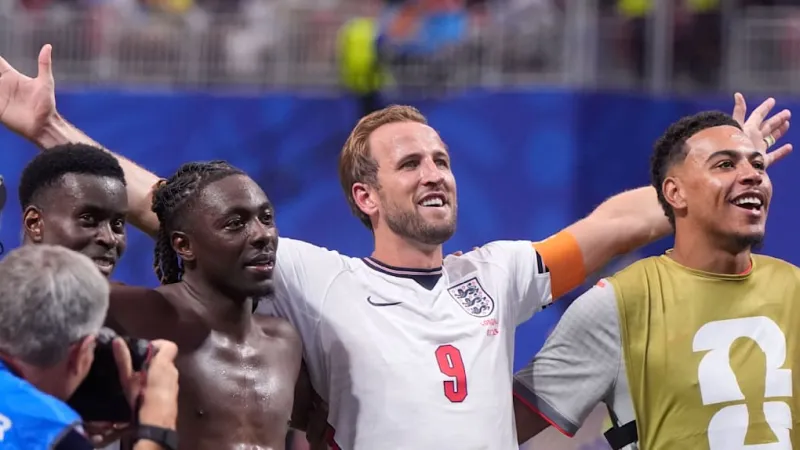
When the English national football team triumphs at the World Cup, the anthemic strains of Oasis's global hit, "Wonderwall," invariably fill stadiums, sparking mass singalongs among jubilant fans and evoking strong emotions, even among players like Harry Kane. Yet, the very Britpop band responsible for the enduring track has expressed a distinct lack of conviction regarding its unofficial status as a celebratory anthem.
This curious dichotomy highlights a fascinating cultural phenomenon where public sentiment often redefines an artwork's purpose, sometimes quite contrary to its creators original intent. The song, released decades ago, has transcended its origins to become a powerful symbol of national pride during international football tournaments.
Spectators across the globe witness this tradition unfold as stadium screens display the lyrics and thousands join in a spontaneous chorus, creating an electrifying atmosphere. This collective experience solidifies "Wonderwall's" place in the hearts of English supporters, intertwining the music with moments of sporting glory.
Reports indicate that prominent figures within the England squad, including captain Harry Kane, have openly spoken about the goosebumps they experience when the familiar chords resonate after a hard-fought victory. Such testimonials underscore the profound emotional connection between the song and the athletes themselves.
Despite its widespread adoption as a rallying cry, the Manchester-born band Oasis, particularly its primary songwriters, has historically maintained a lukewarm, if not overtly critical, stance toward "Wonderwall." Members have occasionally dismissed it, perhaps weary of its omnipresence or feeling it overshadows other works.
This artistic detachment from the public's embrace creates a unique tension. While fans interpret the song as a soundtrack to their triumphs, reflecting resilience and hope, the band views it through a different lens, likely one of creative ownership and artistic evolution.
The phenomenon of a musical piece becoming an unofficial sports anthem is not unprecedented. Throughout history, various songs have been adopted by fanbases, developing new meanings and cultural significance far beyond their original lyrical context. These anthems often encapsulate the spirit of a team or nation.
"Wonderwall" itself, released in 1995 from the iconic album "(What's the Story) Morning Glory?", quickly rose to global fame, becoming one of the defining tracks of the Britpop era. Its enduring melodic appeal and relatable lyrics have cemented its place in popular culture, long predating its football association.
The contrast between the band's perceived apathy and the public's fervent adoration presents an intriguing case study in cultural reception. It demonstrates how art, once released, takes on a life of its own, subject to reinterpretation and repurposing by its audience.
While Oasis may view the song with a degree of critical distance, for millions of England fans, "Wonderwall" is inextricably linked to the drama and joy of the World Cup. It stands as a testament to shared passion, a unifying soundtrack to national aspirations on the global stage.
This situation parallels other sporting events where specific songs achieve legendary status. For instance, the excitement surrounding matches, such as Norway's quest for an upset against Brazil in a World Cup knockout stage, often sees local anthems or popular songs creating an electric pre-game atmosphere, though few achieve the global resonance of "Wonderwall."
The powerful emotional impact of music on sporting events is undeniable. Whether it is a traditional folk tune or a modern rock anthem, these songs contribute significantly to the narrative of triumph and challenge, enhancing the spectator experience.
The global reach of the World Cup further amplifies such cultural crossovers. A song born in Manchester, England, becomes a universal symbol for a nation's footballing dreams, sung by diverse crowds in stadiums from Qatar to Germany, transcending geographical and linguistic barriers.
The band's reluctance to fully embrace the song's adopted role could stem from various factors, including artistic integrity, a desire to avoid commercial exploitation of their catalog, or simply a disinterest in being defined by a single track, no matter how iconic.
Despite any reservations from its creators, the song's legacy as a football anthem appears secure. It represents a powerful example of collective ownership, where the fans' interpretation and emotional investment ultimately dictate a piece of art's cultural function in a very public sphere.
This phenomenon is not unique to England, as various nations embrace specific tracks for their sporting events. Just as fans followed France's survival against Paraguay in a thrilling quarterfinal, music played a vital role in building tension and celebrating success during those intense World Cup moments. France Survives Paraguay Scare, Mbappé Penalty Decides Quarterfinal.
Ultimately, "Wonderwall" stands as a cultural artifact with dual identities: one as a pivotal Britpop classic crafted by Oasis, and another as a heartfelt, unifying chant for English football supporters, a testament to music's malleable power in the public imagination.