 Stefani Rindus
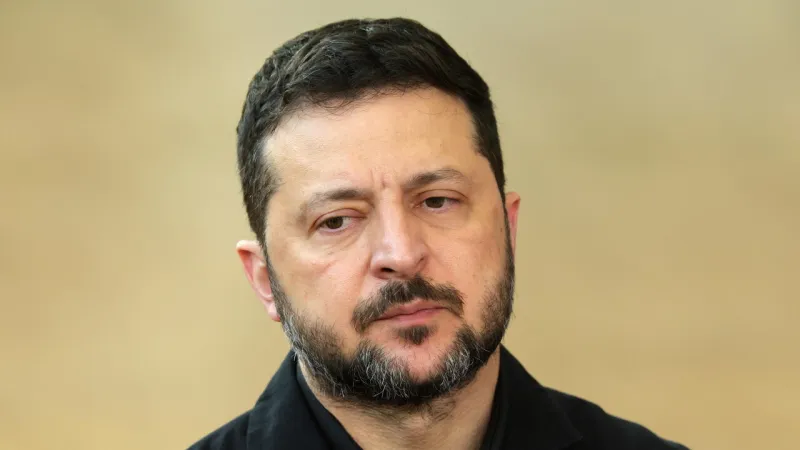
Ukrainian President Volodymyr Zelensky on Tuesday issued a fervent plea to the United States, urging the immediate provision of Patriot air defense systems to bolster Ukraine's defenses against anticipated winter assaults. The appeal comes as Zelensky acknowledged a potential future supply of 500 Patriot systems from the US in several years, but stressed the critical necessity for urgent support to protect the nation this coming winter.
Addressing the pressing situation, President Zelensky stated, "We could see 500 US Patriot systems in a few years, but we must defend ourselves this winter." This stark assessment underscores the immediate dangers faced by Ukraine as it prepares for another season of intense aerial bombardment targeting its infrastructure and civilian populations.
The Ukrainian leader amplified his call by asserting, "We ask the United States to find an immediate solution." This direct appeal signals a growing urgency within Kyiv to secure advanced air defense capabilities that can intercept a wide range of ballistic and cruise missiles, crucial for mitigating destruction and saving lives.
Patriot missile systems have proven highly effective in previous engagements, demonstrating their capacity to protect strategic assets and urban centers. However, their deployment requires extensive training and logistical support, making prompt delivery and integration into Ukraine's existing defense network a complex challenge.
The disparity between a long-term pledge of hundreds of systems and the immediate need highlights a strategic dilemma for Washington. President Donald Trump's administration faces pressure to balance long-term military aid commitments with the urgent, evolving requirements of the conflict, particularly as winter looms.
Analysts note that the provision of air defense systems like the Patriot is not merely about military hardware; it is about protecting vital energy infrastructure. Previous winters saw widespread blackouts as Russian forces targeted power grids, leaving millions without heat and electricity during freezing temperatures.
Securing robust air defense is paramount to preventing a repeat of such humanitarian crises. The psychological impact of consistent aerial threats also weighs heavily on the Ukrainian populace, making effective interception systems a morale booster as much as a tactical necessity.
The request for an "immediate solution" suggests a possible push for accelerated deliveries from existing US stockpiles or a re-evaluation of current aid distribution priorities. Such a move would require swift political will and logistical coordination from the United States and its allies.
The global geopolitical landscape continues to shift, with diplomatic efforts often overshadowed by military realities. The ongoing conflict has sparked numerous discussions among allies regarding support, as seen in broader debates concerning international diplomacy, like those surrounding Lavrovs G20 Arrival in US Divides Allies, Stirs Diplomacy, reflecting diverse approaches to managing global tensions.
President Trump's administration has maintained a policy of supporting Ukraine's defense, though the specifics of aid packages and timelines remain subject to intense domestic and international debate. Zelensky's direct appeal aims to cut through these deliberations and emphasize the immediate existential threat.
The coming weeks are critical for Ukraine as winter approaches. The ability to effectively defend its skies will determine not only the safety of its citizens but also the resilience of its national infrastructure against continued aggression. The world watches for the United States' response to this urgent call for enhanced air defense.