 Dorry Archiles
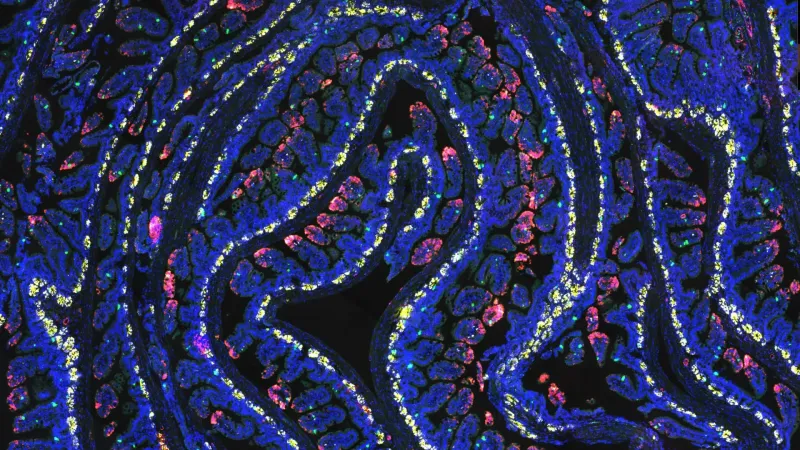
Washington D.C. - A groundbreaking discovery by scientists reveals that merely 24 hours of fasting can significantly increase a beneficial gut bacterium, triggering a remarkable repair response in the intestines following radiation damage. These preclinical findings pave the way for innovative treatments designed to protect healthy tissue during cancer therapy, potentially without patients enduring prolonged fasting.
The research specifically identified a significant surge in a particular type of gut microbe after a short period of caloric restriction. This microbial increase appears to be directly linked to enhanced regenerative capabilities within the intestinal lining, a critical defense mechanism against damage.
This finding holds immense promise for oncology, where radiation therapy, while effective against tumors, often causes severe collateral damage to healthy tissues, especially in the gastrointestinal tract. Such damage leads to painful side effects, often necessitating treatment interruptions.
Investigators observed that the heightened presence of this beneficial bacterium facilitated quicker and more efficient cellular regeneration. This accelerated healing process could mitigate the debilitating effects of radiation-induced mucositis and other intestinal complications.
While the current findings stem from preclinical models, typically involving animal subjects, the robust nature of the observed response offers a strong foundation for future human clinical trials. The scientific community anticipates further investigation into the precise mechanisms at play.
One of the most compelling aspects of this discovery is the potential to harness these regenerative effects pharmacologically. Researchers hope to develop therapeutic interventions that can mimic the benefits of fasting without imposing the challenging dietary restrictions on patients already weakened by cancer and its treatments.
The human gut microbiome, a complex ecosystem of trillions of microorganisms, increasingly features as a key player in overall health and disease resilience. This study further underscores its profound influence, demonstrating its capacity to mediate powerful reparative processes.
Future work will focus on isolating the specific compounds or signals produced by the beneficial bacterium responsible for the regenerative effect. Identifying these molecular messengers could lead to targeted drug development.
Such a therapeutic agent, often referred to as a fasting-mimicking drug, could offer a revolutionary approach to supportive care in cancer treatment. It represents a shift towards leveraging the body's intrinsic healing abilities, guided by microbial interactions.
This advancement not only provides a beacon of hope for improving the quality of life for cancer patients but also deepens our understanding of the intricate relationship between diet, the microbiome, and cellular repair. It highlights the body's inherent capacity for resilience when conditions are optimally influenced.
The implications extend beyond cancer care, suggesting broader applications for conditions involving tissue damage and regeneration, where modulating the gut microbiome could offer novel therapeutic avenues.
Ultimately, this scientific endeavor illustrates the powerful potential of short-term physiological changes to induce profound biological benefits, paving a new path for patient care in challenging medical scenarios.