 Angela Stefani
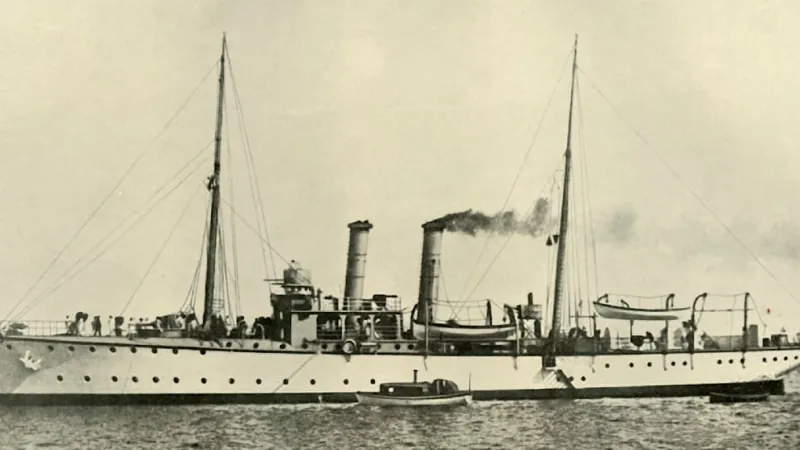
AGADIR, Morocco – In July 1911, the German gunboat SMS Panther sailed into the Moroccan port of Agadir and hoisted the German flag, a provocative act designed to assert Berlin's colonial ambitions in French Congo. This dramatic display of imperial power, known as the Agadir Crisis or Second Moroccan Crisis, plunged Europe into a diplomatic maelstrom that brought the continent perilously close to the brink of a devastating world war.
The audacious move by Imperial Germany was a calculated risk, aiming to extract territorial concessions from France in West Africa. Germany sought to gain leverage in the ongoing scramble for Africa, specifically eyeing resource-rich sections of the French Congo. The gunboat's arrival dramatically escalated tensions already simmering between the major European powers.
The early 20th century was defined by an intense race among European nations to colonize and control territories across Africa and Asia. Each power viewed colonial possessions as vital for economic prosperity, strategic influence, and national prestige. Morocco, strategically located, had become a particular flashpoint, with France and Germany vying for dominance.
This 1911 confrontation was not an isolated incident. It followed the First Moroccan Crisis of 1905-06, where Kaiser Wilhelm II challenged French influence in Morocco by visiting Tangier. That earlier crisis also tested diplomatic resolve but ultimately resulted in the Algeciras Conference, which largely affirmed French control while granting Germany some economic concessions. The seeds of renewed conflict, however, remained.
The appearance of the Panther in Agadir sent shockwaves through European capitals. Britain, allied with France through the Entente Cordiale, viewed Germany's action as a direct threat to the balance of power and its own imperial interests. London immediately signaled its unwavering support for Paris, fearing German naval expansion could jeopardize British maritime dominance.
British Chancellor of the Exchequer David Lloyd George delivered a powerful speech at Mansion House on July 21, 1911, explicitly warning Germany against any attempts to unilaterally alter the status quo without consultation. His forceful declaration underscored Britain's commitment to standing with France, a pivotal moment that significantly heightened the crisis and demonstrated the fragility of European peace.
For months, intense diplomatic negotiations unfolded behind closed doors. Germany initially demanded significant portions of French Congo as compensation for recognizing France's protectorate over Morocco. France, backed by Britain, resisted these extensive demands, leading to a protracted and often acrimonious exchange.
Ultimately, a resolution was reached through the Franco-German Agreement of November 4, 1911. Under the terms, Germany conceded to France's effective protectorate over Morocco in exchange for two strips of territory from the French Congo, which became part of German Kamerun. While seemingly a diplomatic triumph, the agreement left a bitter taste on all sides.
In Germany, the settlement was widely perceived as a humiliation, fueling nationalist sentiments and a sense of grievance. Many felt Germany had not received sufficient territorial gains to match its perceived status as a rising global power. This dissatisfaction further empowered militarist factions within the German Empire.
France, while gaining formal recognition for its Moroccan protectorate, resented the territorial concessions it had been forced to make. The crisis solidified its resolve to strengthen its alliances and prepare for potential future confrontations with Germany.
For Britain, the Agadir Crisis underscored the imperative of its alliance with France. It revealed the extent of Germany's aggressive foreign policy and prompted greater military cooperation and strategic planning between the Entente powers. The informal naval agreement between Britain and France, further cementing their collaboration, emerged from the lessons of this crisis.
Historians widely regard the Agadir Crisis as one of the critical precursors to World War I. It laid bare the deep-seated rivalries, mistrust, and aggressive imperial ambitions that characterized pre-1914 European politics. The crisis demonstrated how quickly a regional dispute could escalate into a continental and potentially global conflict, setting a grim precedent.
The near-war experience also prompted military planners across Europe to accelerate their armament programs and refine their war plans. The understanding that a major conflict was increasingly plausible shaped strategic decisions in the years leading up to 1914. Discussions about national defense and readiness became more urgent. The crisis served as a stark reminder of the potential for military confrontation, as discussed in contemporary contexts regarding military preparedness, such as the debate around Conscription Looms: German General Warns Return Is Inevitable.
The crisis ultimately highlighted the destructive nature of unchecked colonial competition. While the immediate conflict was averted, the underlying issues of imperial rivalry and nationalistic fervor continued to fester, illustrating the precariousness of peace when global powers prioritize expansion over stability. The reverberations of such power plays are still felt in the geopolitical landscape, even as modern diplomacy seeks to mitigate tensions, much like Doha Hosts Covert US-Iran Talks Amid Mideast Tensions.
The diplomatic wrangling solidified the existing alliance systems in Europe – the Triple Entente (Britain, France, Russia) versus the Triple Alliance (Germany, Austria-Hungary, Italy). Each side viewed the other with heightened suspicion and prepared for future contingencies, unwittingly laying the groundwork for the devastating conflict that would erupt just three years later.
The Agadir Crisis remains a potent historical lesson in the dangers of brinkmanship and the critical importance of effective, de-escalatory diplomacy. Its narrative underscores how seemingly isolated incidents, fueled by imperial ambitions and national pride, can rapidly spiral into existential threats to international peace.
The German gunboat incident showcased Berlin's burgeoning naval power and its desire to challenge established colonial orders, but also exposed the diplomatic isolation Germany faced. Its aggressive posture alienated potential allies and reinforced the resolve of its rivals.