 Angel Doris
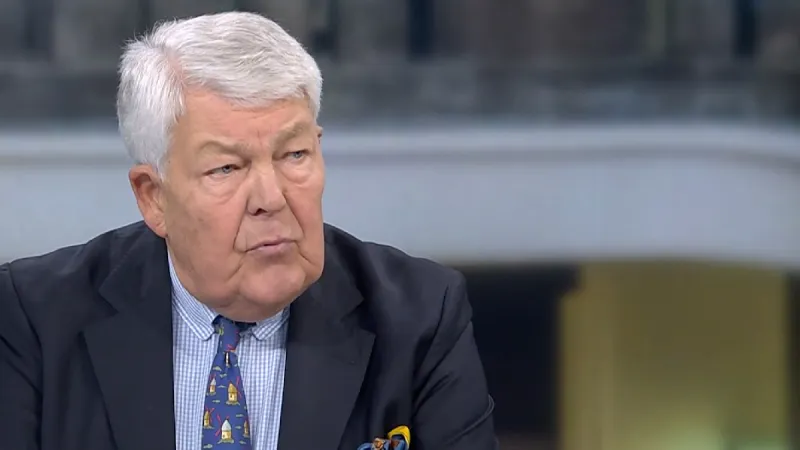
Retired General Roland Kather, a revered voice in German defense circles, has declared that a return to conscription in Germany is no longer a distant possibility but an imminent reality, stating unequivocally that it is "a matter of time." This pronouncement arrives as Kyiv secures 16 fighter jets from Sweden, with their delivery timeline remaining undefined, further emphasizing the precarious European security landscape and Germany's indispensable role within NATO.
General Kather, reflecting on Europes evolving defense needs, highlighted Germany's central strategic position. He articulated that the nation's commitment to collective security within the North Atlantic Treaty Organization necessitates a robust and ready defense force, a capability he believes can only be fully realized through a form of mandatory military service. His remarks resonate amidst a continent grappling with renewed geopolitical tensions.
The urgency of Kather's assertion is amplified by the ongoing conflict in Ukraine, which continues to challenge established security paradigms. While Ukraine bolsters its air defense capabilities with the acquisition of Swedish fighter jets, the broader implications for European land forces and long-term readiness are keenly felt in capitals like Berlin. The undisclosed delivery schedule for these aircraft adds a layer of uncertainty to Ukraines immediate operational enhancements.
Germany, as the economic powerhouse of Europe and a critical NATO member, faces mounting pressure to meet its defense obligations. The discussion around conscription is not merely an internal debate but reflects a broader recalibration of defense strategies across the alliance, aiming to fortify collective deterrence against potential adversaries.
The prospect of mandatory military service represents a significant shift from Germany's current volunteer-based Bundeswehr. Conscription was suspended in 2011 after 55 years, citing a changed security environment following the Cold War and the desire for a more professionalized, deployable army. That decision is now being re-evaluated in the stark light of contemporary threats.
Reintroducing conscription would present formidable logistical and societal challenges. It would require significant investment in training facilities, personnel, and a fundamental re-engineering of the military's recruitment and integration processes. Furthermore, any such move would inevitably spark considerable public debate regarding individual liberty and the state's demands on its citizens.
Politically, the issue is complex. While some factions advocate for its return as a necessity, others raise concerns about cost, practical implementation, and the potential impact on Germany's economy and social fabric. This discussion joins other pressing domestic issues, such as the German Tax Reform Stalls Amidst Coalition Conflict, further complicating the legislative landscape.
Across Europe, the debate over national service is gaining traction. Nations like Sweden, which had previously abolished conscription, have reintroduced it in recent years, demonstrating a growing regional consensus on the need for enhanced defense readiness. This trend provides a precedent and context for Germany's deliberations.
The evolving nature of global threats, from conventional warfare to hybrid tactics and cyber warfare, necessitates a comprehensive approach to defense. The renewed focus on manpower complements the ongoing modernization of military hardware and strategic partnerships, including global security dialogues such as the Trump Briefed on Iran War Scenarios, Diplomacy Persists Beyond Deadline.
General Kather's pronouncement serves as a stark reminder that national security is a dynamic concept, continually adapting to unforeseen challenges. The question for Germany, and indeed for Europe, is not whether to prepare, but how swiftly and comprehensively to implement the necessary reforms to secure its future. The return of conscription, once unthinkable, increasingly appears to be a cornerstone of that impending transformation.