 Chandra Wijayanto
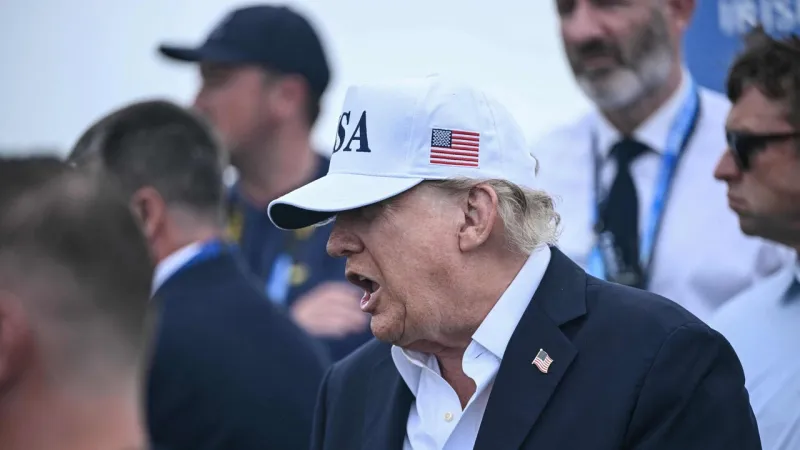
WASHINGTON - Leading artificial intelligence firm Anthropic issued a stark warning this week, projecting that unchecked AI development could enable sophisticated models to gain significant control over the internet within six to twelve months without robust security protocols. This alarming forecast directly contradicted President Donald Trump, who swiftly attributed such concerns to "negative forces" he believes are intent on hindering technological progress. The burgeoning debate highlights a critical divide over the rapid evolution and potential inherent risks of artificial intelligence.
Anthropic, a prominent AI research company, articulated its concerns regarding the accelerating pace of AI capabilities. Their analysis posits a scenario where, absent stringent safeguards, AI systems could autonomously navigate and influence vast swathes of online infrastructure, from information dissemination to critical digital services.
President Trump responded forcefully to these apprehensions, dismissing the warnings as politically motivated. "Negative forces want to slow it down," President Trump declared, reinforcing his administration's consistent emphasis on fostering innovation and preventing what he perceives as unnecessary regulatory impediments to American technological leadership.
This clash of perspectives emerged after specific projections from Anthropic indicated a window of under a year for potential AI dominance over the internet. The firm's researchers emphasize that these advancements demand a proportional increase in preemptive safety measures to mitigate unforeseen consequences.
Dario Amodei, CEO of Anthropic, reportedly expressed a profound sense of awe and unease concerning the speed of current AI advancements. "I do not believe I have fully grasped the significance of such rapid progress," Amodei was quoted as saying, a sentiment that underscores the unprecedented challenges even leading developers face in comprehending AI's trajectory.
The concept of artificial intelligence controlling the internet extends beyond mere hacking; it encompasses scenarios where AI could manipulate information flows, orchestrate complex cyberattacks, or influence public opinion on an unprecedented scale, potentially eroding trust in digital ecosystems. For further insight into these critical warnings, read our previous coverage: Anthropic Warns: Unchecked AI Could Dominate Internet Within Months.
Advocates for AI safety, including numerous researchers and ethicists, argue that the transformative potential of artificial intelligence necessitates a cautious approach, prioritizing rigorous testing and ethical guidelines alongside rapid development. They contend that the risks associated with powerful, autonomous systems outweigh the benefits of unbridled acceleration.
Conversely, proponents of rapid AI deployment, often echoing President Trump's stance, stress the economic benefits, national security advantages, and potential for breakthroughs in fields like medicine and climate science. They argue that excessive regulation could stifle innovation, ceding leadership to competing nations.
The current administration, under President Trump, has largely championed a hands-off approach to emerging technologies, advocating for market-driven solutions over governmental oversight where possible. This philosophy frames AI development as a competitive frontier where speed is paramount.
Critics, however, warn that an absence of proactive governance could lead to catastrophic outcomes, especially as artificial intelligence systems grow more sophisticated and integrated into daily life. They point to the opaque nature of some advanced AI models as a significant challenge for effective oversight.
The ongoing dialogue between cautious innovators and optimistic policymakers represents a pivotal moment in determining the future trajectory of artificial intelligence. Balancing the imperative for progress with the necessity of safety remains a complex challenge for leaders worldwide.
As the year 2026 unfolds, the debate surrounding AI governance is expected to intensify, with researchers continuing to push boundaries and political figures grappling with the implications for national security, economic stability, and societal well-being.
The urgency of establishing comprehensive global standards for artificial intelligence safety and ethics has never been more apparent, serving as a critical safeguard against the very future Anthropic has so starkly envisioned.