 Angel Doris
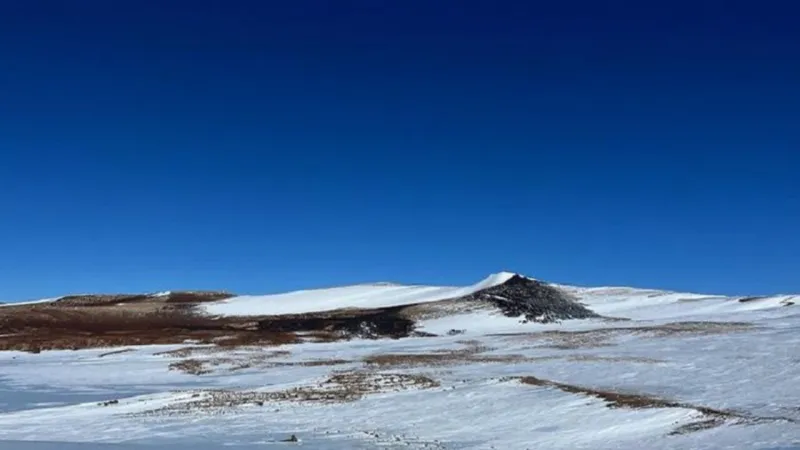
MACQUARIE ISLAND -- Australia has initiated the withdrawal of scientific personnel from its remote research stations on Macquarie Island, located in the sub-Antarctic, following heightened concerns over the potential spread of highly pathogenic avian influenza. The precautionary measure, undertaken by the Australian Antarctic Division, aims to safeguard both human health and the islands unique wildlife populations from a potential outbreak of the deadly virus.
This immediate action underscores the severe biosecurity challenges posed by avian influenza, particularly the H5N1 strain, which has ravaged bird populations globally and recently shown an alarming propensity for mammalian transmission. Authorities fear its introduction to the pristine Antarctic and sub-Antarctic ecosystems, where native species possess little to no immunity.
Macquarie Island, a UNESCO World Heritage site, stands as a critical breeding ground for millions of seabirds, including four species of penguins, and significant populations of seals. Its ecological fragility necessitates extreme vigilance against invasive pathogens that could decimate these vulnerable populations.
The Australian Antarctic Division confirmed the decision, emphasizing its commitment to protecting the environment and the health of its staff. The withdrawal plan involves a phased evacuation of non-essential personnel, leaving a minimal crew to maintain vital infrastructure while strict biosecurity protocols are enhanced.
Experts highlight that the virus could spread through migratory birds, which traverse vast distances, potentially carrying the disease to remote regions previously untouched. The risk of human-mediated transmission, however small, also factored into the decision to temporarily reduce human presence.
Ongoing research projects, many focused on climate change impact, wildlife monitoring, and geological studies, face temporary disruption. Scientists aboard the RSV Nuyina, Australia's icebreaker, were scheduled for resupply and personnel exchanges, which are now being re-evaluated to accommodate the new biosecurity directives.
The global scientific community has intensified its focus on avian influenza surveillance, recognizing its potential for significant ecological and economic damage. The Antarctic region, previously considered a natural shield against many pathogens due to its isolation, now faces unprecedented threats from climate change and disease vectors.
Past outbreaks in other remote regions, such as the South Atlantic islands, demonstrated the rapid and devastating effect avian flu can have on naive animal populations. Such precedents inform Australia's proactive stance, prioritizing prevention over costly and often ineffective containment efforts post-infection.
While the withdrawal is a temporary measure, it prompts a wider discussion on the long-term biosecurity strategies for Antarctic and sub-Antarctic research. International cooperation among Antarctic Treaty nations remains paramount in establishing and enforcing robust protocols to protect this vital global heritage.
The Australian Antarctic Division indicated that regular assessments of the global avian influenza situation would guide the timeline for researchers return. For now, the focus remains on maintaining the islands integrity and preparing for enhanced monitoring protocols when scientific operations resume in full.