 Edward DP Situmorang
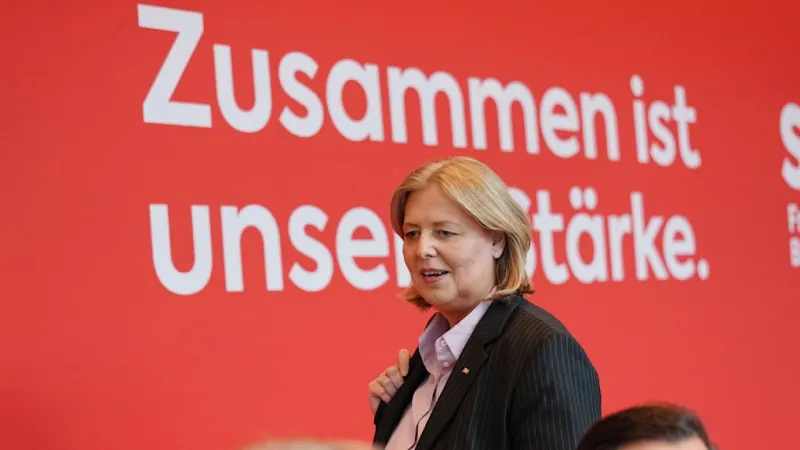
Labor Minister Bas is actively campaigning to secure the Social Democratic Party's (SPD) backing for a comprehensive German pension plan, emphasizing its long-term benefits while confronting internal party friction over contentious proposals. This initiative aims to fortify Germany's future pension stability.
The core of the proposed reform centers on modernizing the nation's social security framework. Bas has underscored what she views as the plan's positive attributes, particularly the strategic development of a capital stock designed to supplement traditional pay-as-you-go pension funding.
This capital stock mechanism represents a significant departure from existing structures, intending to create an additional financial pillar to absorb future demographic pressures. Proponents argue it offers a vital hedge against an aging population and dwindling birth rates, ensuring solvency for coming generations.
However, the ambitious German pension plan faces considerable headwinds from within the SPD itself. Several points of the commission's proposals are proving difficult for the party to reconcile with its foundational principles and voter base.
Chief among these contentious elements is the suggestion to abolish the option for early retirement without deductions for individuals who have accumulated 45 years of professional service. This provision, currently a cornerstone of social welfare, allows long-serving employees to exit the workforce earlier without financial penalty.
For many in the SPD, a party historically dedicated to the rights and protections of workers, eliminating this early retirement pathway represents a significant philosophical hurdle. Critics within the party fear it would disproportionately affect laborers in physically demanding professions, compelling them to work longer despite extensive careers.
Bas is striving to present the reform as a coherent and essential overall construct rather than allowing individual difficult points to overshadow its potential benefits. Her strategy involves highlighting the interdependent nature of the proposals, arguing that the capital stock necessitates other adjustments to achieve its full impact.
The debate underscores the profound challenges facing Germany's social security system, which must adapt to evolving demographic realities. The country grapples with one of the world's lowest birth rates and increasing life expectancies, placing immense strain on the financing of retirement benefits.
The Labor Minister's efforts reflect a delicate balancing act: safeguarding the long-term viability of the German pension plan while addressing the immediate concerns and historical commitments of her political party. The outcome of this internal negotiation will significantly shape the future landscape of retirement in Germany.
Success in convincing the SPD leadership and its rank-and-file members would pave the way for a crucial legislative push. Failure, conversely, could lead to a protracted period of uncertainty for pension reform, necessitating further compromises or a complete reevaluation of the proposed changes.
Ultimately, the discussion surrounding the German pension plan is not merely about technical adjustments; it embodies a broader societal conversation about intergenerational fairness, economic sustainability, and the fundamental role of the state in providing social welfare.