Dorry Archiles
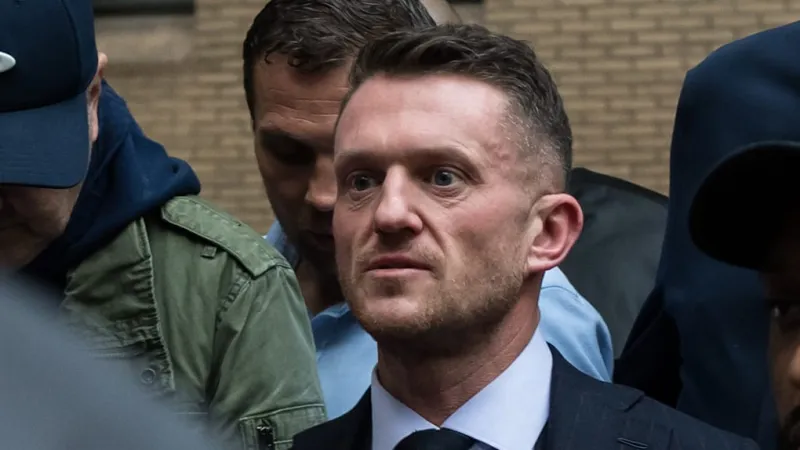
Southport, England – A prominent British right-wing figure, widely identified as Tommy Robinson, stands convicted of harassing journalists who reported on his alleged incitement of riots in 2024 following a tragic triple murder in the city. The verdict, delivered this week in 2026, could lead to a substantial prison sentence of up to ten years for the activist, who retaliated by publicly sharing private photographs of the reporters.
The conviction stems from a series of events after journalists from the Daily Mail accused the activist of deliberately fanning the flames of civil unrest in England. These accusations arose in the immediate aftermath of the brutal murder of three young girls in Southport, an incident that deeply shocked the nation and created a volatile social climate.
According to court documents and journalist testimonies, Robinson launched a campaign of intimidation against the Daily Mail reporters. He reportedly engaged private investigators to unearth personal information about the journalists involved in the reporting.
Following this, Robinson allegedly published photographs and details of these journalists, actions widely interpreted as an attempt to silence critical reporting and expose the individuals to potential harassment from his followers. This move sparked immediate condemnation from press freedom organizations across Europe.
The legal proceedings have been closely watched, highlighting the increasing challenges faced by media professionals when covering controversial figures and sensitive social issues. The prosecution argued that Robinson's actions went beyond legitimate criticism, constituting a direct threat to the safety and professional integrity of the reporters.
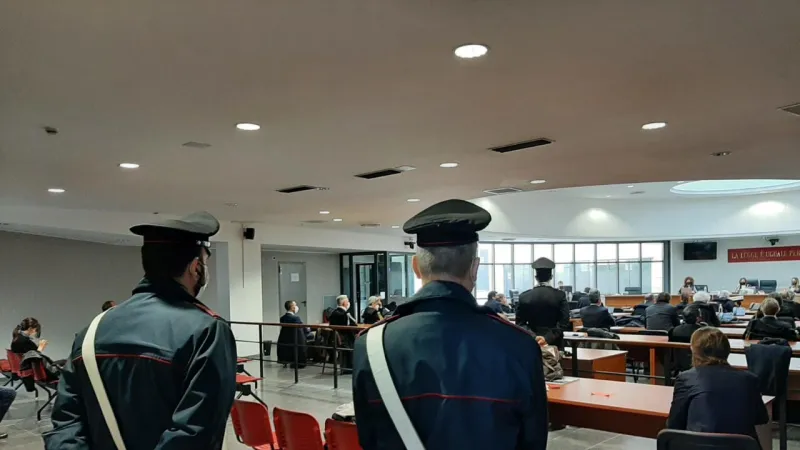
A jury found the activist guilty of harassment, a charge that carries significant penalties under British law. The specific sentencing date remains pending, but legal experts suggest that the court will consider the gravity of the intimidation and its potential chilling effect on investigative journalism.
This case adds to a long history of legal battles for Robinson, whose activism often places him at odds with legal authorities and mainstream media. His previous encounters with the law include charges related to contempt of court and public order offenses.
The 2024 riots in Southport, which provided the backdrop for this incident, involved widespread public disturbances and unrest. Reports at the time indicated significant social tension, with authorities struggling to maintain order amidst the communitys grief and anger over the triple murder.
Press freedom advocates have hailed the verdict as a crucial affirmation of journalists rights to report without fear of retribution. They argue that such convictions are essential to maintaining a healthy democratic society where robust and independent media can operate freely.
Legal scholars note that the case sets a precedent for how British courts will handle instances of public figures leveraging their platforms to target individual reporters. It signals a stronger stance against actions perceived as direct attempts to obstruct journalistic work.
The defense, throughout the trial, maintained that Robinson was exercising his right to free speech and was merely exposing what he considered biased reporting. However, the courts decision indicates a clear distinction between legitimate criticism and targeted harassment.
This outcome sends a potent message to those who might consider using similar tactics to suppress uncomfortable truths or retaliate against critical reporting. It reinforces the legal boundaries surrounding public discourse and the responsibilities that come with a public platform.
While the maximum sentence of ten years is not guaranteed, the possibility underscores the severity with which the British justice system views harassment of journalists. This conviction marks a significant moment in the ongoing struggle to protect media integrity in the digital age.
The wider implications extend to safeguarding the democratic function of the press. Independent journalism, often a target of far-right movements, relies on legal frameworks to protect its practitioners from intimidation and ensure they can hold power to account.
This verdict serves as a stark reminder that even prominent public figures are subject to the rule of law, especially when their actions threaten the foundational principles of press freedom and public safety.