 Dorry Archiles
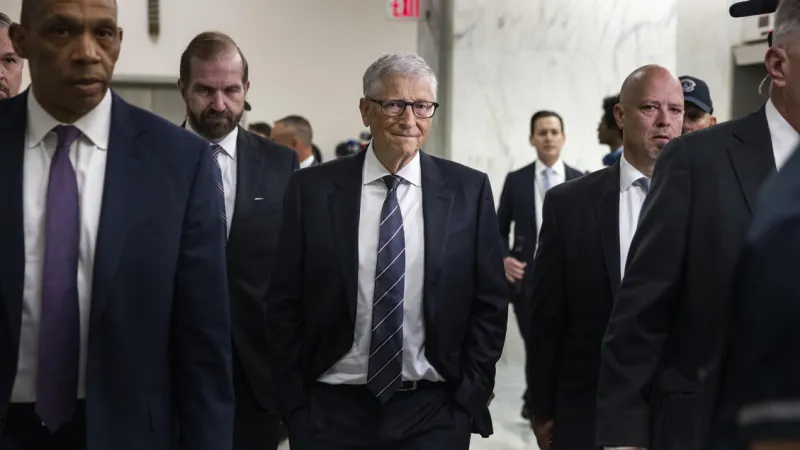
Seattle, Washington – Bill Gates, the co-founder of Microsoft and prominent philanthropist, has reiterated his deep regret regarding his past association with convicted sex offender Jeffrey Epstein, while firmly asserting he never engaged in any misconduct himself. The billionaire philanthropist recently addressed the persistent scrutiny surrounding their meetings, emphasizing his unawareness of Epstein's heinous crimes at the time of their interactions.
Gates has consistently maintained that he regrets the time he spent with Epstein, stating these encounters were a serious error in judgment. He first met Epstein in 2011, several years after Epstein's initial conviction for soliciting prostitution from a minor in Florida. The association has continued to draw significant criticism and questions from the public and media alike.
The nature of their relationship, Gates has clarified, primarily revolved around discussions concerning philanthropy. Epstein had reportedly represented himself as having connections that could aid in philanthropic endeavors, specifically in raising money for Gates Foundation initiatives. Gates now acknowledges that he was exploited by Epstein in this context.
In numerous public statements, Gates has unequivocally denied any personal involvement in, or knowledge of, Epstein's criminal activities. He stresses that his interactions with Epstein were limited and that he severed ties once the true extent of Epstein's depravity became apparent. Gates has stated, "I should never have met with Epstein. And I regret it."
The lingering controversy underscores the significant reputational risks associated with prominent figures engaging with individuals who later face severe criminal charges. Despite Gates repeated disavowals, the shadow of the association continues to prompt questions about the due diligence exercised by high-profile personalities in their networks.
Gates Foundation representatives have echoed the sentiment, confirming that the foundation itself had no direct dealings or partnerships with Epstein. Any potential philanthropic discussions were strictly between Gates and Epstein, none of which ultimately materialized into collaborative projects or funding.
The billionaire has been particularly resolute in differentiating his personal conduct from Epstein's documented crimes. "I never molested anyone," Gates asserted, directly addressing allegations of personal wrongdoing that have been fueled by public speculation. This stark denial aims to separate his regrettable professional judgment from any implication of criminal involvement.
This renewed clarification comes as public memory and media interest occasionally resurface details surrounding Epstein's extensive network and the individuals he cultivated relationships with. The scrutiny serves as a stark reminder of the long-term consequences for those linked, even tangentially, to such egregious criminal enterprises.
The situation highlights a broader societal expectation for leaders in business and philanthropy to exercise extreme caution in their associations. The standard of scrutiny applied to public figures often transcends simple professional judgment, extending to moral and ethical considerations that impact public trust.
Gates, who has dedicated much of his post-Microsoft career to global health and development through the Bill & Melinda Gates Foundation, continues to navigate the complex aftermath of these unfortunate meetings. His public efforts have increasingly focused on transparency and accountability regarding his past decisions.
The narrative surrounding Gates and Epstein serves as a cautionary tale for individuals in positions of influence. It reinforces the notion that even well-intentioned professional engagements can lead to unforeseen and damaging reputational fallout when the character of one party is fundamentally compromised.
Further discussions regarding the prevention of such exploitation within philanthropic and business circles have gained traction. Organizations now often review more rigorously the backgrounds of potential partners and advisors, especially those purporting to offer unique access or funding opportunities.
Gates' unwavering stance underscores a continued effort to mitigate the damage to his public image and philanthropic legacy. He consistently emphasizes that his priority remains the impactful work of the Gates Foundation, which addresses some of the world's most pressing challenges.
The ongoing discourse ensures that the ramifications of Epstein's actions extend far beyond his direct victims, impacting the reputations and legacies of those who, knowingly or unknowingly, provided him with a veneer of legitimacy. Gates now bears the burden of demonstrating that his regret is genuine and his actions are aligned with his stated values.
Public perception remains a critical factor, and Gates' efforts to address the controversy aim to reinforce trust in his continued humanitarian endeavors. His commitment to transparency is viewed as essential in distinguishing his role from the criminal enterprise he inadvertently encountered.