 Edward DP Situmorang
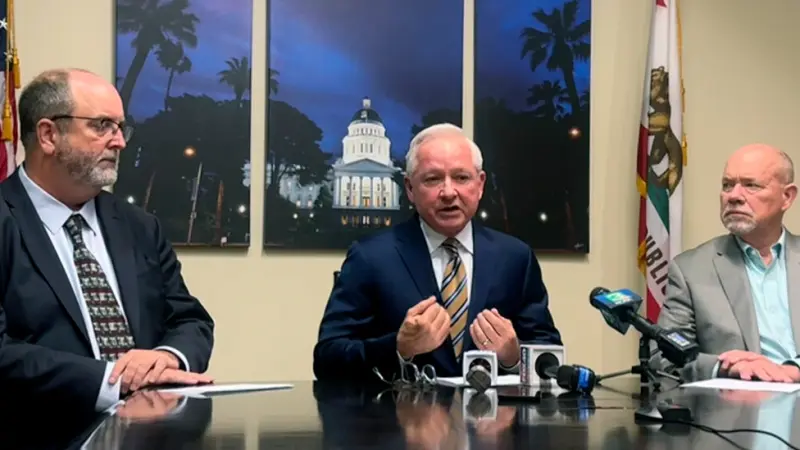
SACRAMENTO — Proponents of a groundbreaking California ballot initiative to levy a new tax on the state's wealthiest residents declared today they have successfully collected the requisite number of signatures to qualify the measure for the 2026 general election. The announcement marks a significant step towards a statewide vote on a proposal intended to generate billions in new revenue for public services.
The initiative, formally titled the “California Wealth Tax Act of 2026,” proposes an annual tax of 1.5% on net worth exceeding $1 billion, applying to both individuals and trusts. Organizers project the tax could generate an estimated $20 billion annually, targeting approximately 1,500 of California's richest residents and entities.
The signature-gathering campaign, which began earlier this year, mobilized thousands of volunteers and paid circulators across the state. Campaign leaders asserted they submitted well over the 874,641 valid signatures required to secure a place on the ballot, signaling broad public interest in the progressive taxation measure.
Advocates argue the tax is a necessary step to address California's deepening wealth inequality and to fund critical state programs in education, housing, and infrastructure. They point to the state's persistent budget challenges and the growing disparity between its poorest and richest citizens as primary justifications.
"This is about fairness and ensuring everyone contributes their share to California's future," stated Sarah Chen, campaign manager for Tax the Billionaires Coalition. "Our state faces immense challenges, and we cannot continue to ask working families to shoulder the burden while the ultra-wealthy benefit from a system designed to protect their fortunes."
Opponents, largely business groups and conservative organizations, contend the tax would deter investment, drive wealthy residents and businesses out of California, and ultimately harm the state's economy. They warn of potential legal challenges and an uncertain future for the state's fiscal stability.
"This is a misguided attempt to penalize success that will ultimately hurt all Californians," said Robert Davis, president of the California Business Alliance. "History has shown that punitive wealth taxes lead to capital flight and a diminished tax base, not increased revenue."
The next phase involves election officials verifying the submitted signatures. County registrars of voters will now meticulously examine each petition to confirm the validity of signatories and ensure they are registered voters. This process typically takes several weeks, with a final certification expected by early next year.
If certified, the initiative would set the stage for a heated political battle leading up to the November 2026 election. The debate is expected to draw national attention, given California's status as an economic powerhouse and its long history of pioneering progressive policies.
The proposal enters a national discussion where wealth taxation has gained traction among some progressive lawmakers, though federal efforts have largely stalled. President Donald Trump's administration has generally favored tax cuts and deregulation, making California's move a stark contrast to federal fiscal policy.
California has a complex history with ballot initiatives, with voters often approving measures that expand social services or environmental protections, but also sometimes rejecting those perceived as overly burdensome or economically risky. The success of this particular initiative will hinge on voter sentiment regarding wealth distribution and the role of government in addressing it.
Public opinion polls conducted earlier this year suggested a mixed but leaning positive reception for a billionaires tax, particularly among younger voters and those in lower-income brackets. However, detailed fiscal projections and potential economic impacts are likely to sway undecided voters as the campaign intensifies.
The campaign is expected to be one of the most expensive ballot measure fights in California history, with significant funding from both proponents and opponents pouring into advertising, lobbying, and grassroots efforts. The financial muscle of tech magnates and other wealthy individuals will undoubtedly be a key factor.
The outcome of this vote could send a powerful message about the direction of wealth policy in the United States, influencing similar legislative debates in other states and potentially reigniting federal discussions on how to fund public services and mitigate economic inequality.
The 2026 election cycle in California will already be significant with gubernatorial and legislative races, and the billionaires tax initiative will likely become a central issue, forcing candidates to clearly articulate their stances on progressive taxation and economic policy.
Voters across California can expect an extensive public education campaign from both sides in the coming months, featuring debates, media advertisements, and detailed analyses of the initiative's potential societal and economic consequences.