 Debby Wijaya
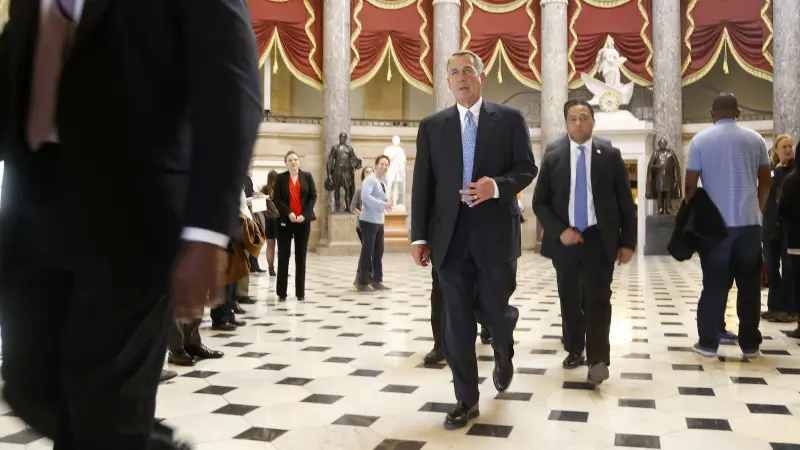
WASHINGTON — Congress successfully ended a protracted shutdown of the Department of Homeland Security today, reaching a bipartisan agreement that restores full funding to the agency and ensures the resumption of critical border security operations nationwide. The resolution, signed into law by President Donald Trump, concludes a record-setting fiscal impasse primarily centered on disputes over border wall funding and immigration enforcement policies.
The agreement, forged after intense negotiations between House and Senate leadership and the White House, provides the Department of Homeland Security with its full fiscal year appropriation. While specific details of the spending package were not immediately released, sources close to the negotiations confirmed it includes substantial allocations for technology upgrades, additional personnel, and a compromise on physical barrier enhancements along the U.S. southern border.
The unprecedented duration of the shutdown, spanning several weeks, severely impacted DHS operations, forcing hundreds of thousands of employees to work without pay or be furloughed. Essential services, ranging from airport security screenings to cyber defense and disaster preparedness, faced increasing strain as the political deadlock persisted.
President Trump lauded the agreement as a victory for national security, emphasizing the strengthened commitment to border protection. "We have secured a deal that puts American security first," President Trump stated in a brief press conference from the Oval Office shortly after signing the bill. "This ensures our brave men and women at DHS can do their jobs effectively, protecting our homeland."
Congressional leaders from both parties expressed relief at the resolution, acknowledging the detrimental effects of the prolonged funding lapse. Speaker of the House Robert Sanchez (D-CA) remarked, "While negotiations were challenging, this bipartisan effort demonstrates that Washington can still come together for the national interest. Our priority was always to get DHS back to full capacity."
Senate Minority Leader Eleanor Vance (R-TX) echoed similar sentiments, highlighting the urgency of restoring full operational status. "The nation cannot afford a crippled Department of Homeland Security. This agreement provides the necessary resources to address our border challenges while maintaining other vital security functions."
The shutdown had begun after lawmakers failed to agree on the Presidents initial budget requests for heightened border security measures, leading to a partial government closure that eventually escalated to encompass the entire Department of Homeland Security. The political standoff became one of the longest in recent U.S. history, surpassing previous records for a single agency.
Critics of the shutdown had pointed to its cascading effects on national security preparedness, economic stability, and the morale of federal workers. Border Patrol agents, TSA officers, and cybersecurity experts continued to work under immense pressure, often relying on food banks and emergency funds to make ends meet.
The resolution signals a temporary truce in the ongoing battle over immigration policy, a contentious issue that has frequently paralyzed legislative action in Washington. Analysts suggest the compromise reflects a mutual recognition of the urgent need to stabilize the department ahead of upcoming national security challenges.
Moving forward, the focus will shift to the implementation of the new funding and the long-term implications for agency morale and operational efficiency. Department officials are expected to work swiftly to bring all furloughed employees back and resume full services, ensuring a seamless transition back to normalcy for affected divisions.
While the immediate crisis is averted, observers note that the fundamental disagreements over comprehensive immigration reform and the scale of border infrastructure funding remain unresolved. The current agreement largely addresses immediate operational needs, pushing deeper policy debates to future legislative sessions.
The White House indicated that ongoing discussions with congressional leaders will continue to address a broader immigration framework, aiming to find more sustainable, long-term solutions that transcend partisan divides. This recent shutdown serves as a stark reminder of the costs of legislative gridlock on critical federal agencies.