 Chandra Wijayanto
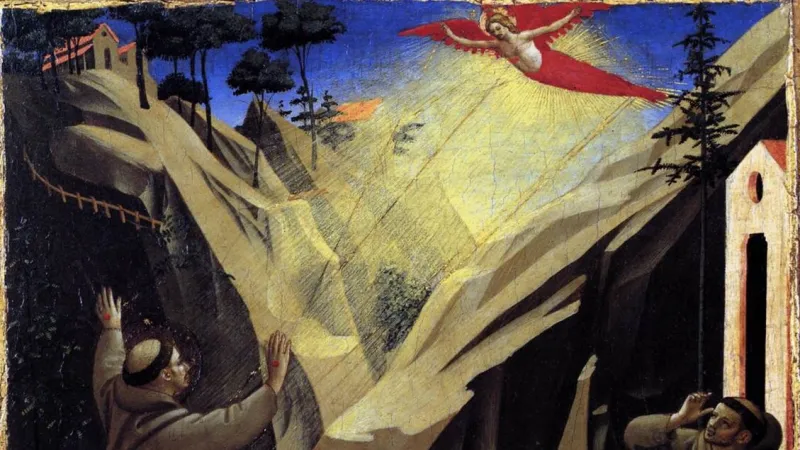
Arezzo, Italy – A landmark exhibition will open on October 4, inviting visitors to delve into the rich iconography of Saint Francis of Assisi through a collection of approximately 60 masterworks from celebrated artists, including Beato Angelico, Sandro Botticelli, and Giorgio Vasari. This extensive showcase, held in the historic Tuscan city, promises a profound exploration of the revered saint's image as depicted across centuries of Italian art, running until January 10, 2027.
The exhibition aims to illuminate Saint Francis's pervasive influence on Western art, tracing his visual representation from the early medieval period through the Renaissance and beyond. Curators have meticulously assembled pieces that demonstrate the evolving artistic interpretations of his life, miracles, and spiritual legacy, offering a unique chronological perspective.
Among the prominent artists featured, Beato Angelico stands as a pivotal figure, whose devotional art significantly shaped the early visual narrative of Franciscan piety. His contributions often emphasized the saint's humility and connection to nature, deeply resonating with the spiritual movements of his era.
Sandro Botticelli, a titan of the Florentine Renaissance, presents a different facet of Saint Francis's artistic portrayal. His works, known for their lyrical beauty and intricate detail, capture the humanistic spirit of the Quattrocento, often imbuing religious subjects with a refined elegance. The exhibition will highlight how Botticelli integrated Franciscan themes into the broader artistic currents of his time.
Later, Giorgio Vasari, an artist, architect, and art historian, provided crucial insights into the enduring appeal of Saint Francis during the Mannerist period. His comprehensive understanding of art history and his own artistic output further solidified the saint's place in the canon, often through grand, narrative compositions that documented his life story for future generations.
The selection of approximately 60 works is deliberate, designed to offer a focused yet comprehensive overview. Each piece contributes to a larger narrative, illustrating the stylistic shifts and theological considerations that informed the depiction of Saint Francis across various artistic epochs. Visitors will witness a spectrum of mediums and techniques, from panel paintings to frescoes, reflecting the diverse approaches to sacred art.
Organizers emphasize the exhibition's role not only as a cultural event but also as an educational opportunity. It seeks to engage scholars, art enthusiasts, and the general public alike, fostering a deeper appreciation for the complex interplay between faith, history, and artistic expression. The contextual presentation will provide historical background for each era, ensuring accessibility for all audiences.
The city of Arezzo, with its own rich artistic heritage and historical significance, provides an ideal backdrop for an exhibition of this caliber. Known for its medieval and Renaissance architecture and its strong connections to artistic giants like Piero della Francesca, Arezzo itself becomes an integral part of the visitor's experience, complementing the intellectual journey offered by the artworks.
Preparations for the exhibition have involved extensive research and collaboration among leading art institutions and private collections, both within Italy and internationally. The careful conservation and transport of these invaluable pieces underscore the commitment to presenting them in their most pristine condition, allowing their original brilliance to shine through.
This long-awaited presentation on Saint Francis's iconography is expected to draw significant national and international attention. It represents a rare opportunity to see such a concentrated collection of masterpieces dedicated to one of Christianity's most beloved figures, promising to be a highlight of Italy's cultural calendar for the coming year. The long duration, stretching into early 2027, provides ample opportunity for a wide audience to experience this profound artistic dialogue.
The exhibition underscores the enduring power of religious figures to inspire artistic creation and shape cultural identity through centuries. It is a testament to Saint Francis's universal appeal, transcending time and influencing generations of artists who sought to capture his spiritual essence on canvas and panel.