Angela Stefani
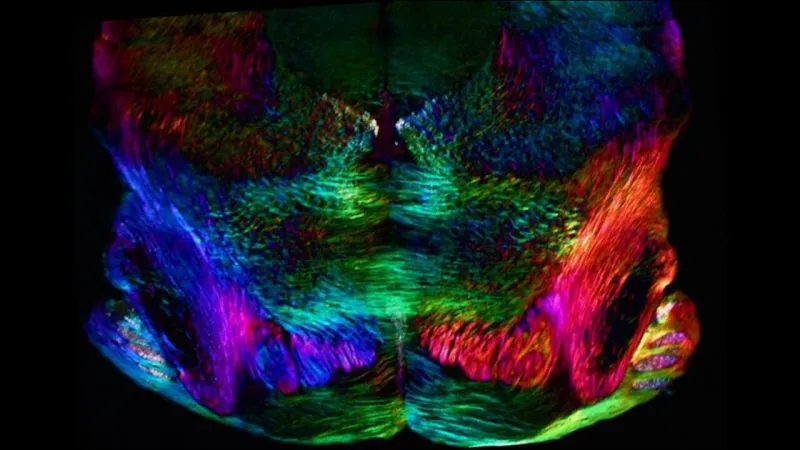
WASHINGTON – New scientific findings reveal that stress endured during the formative years of childhood leaves permanent, observable scars within the brain's intricate architecture. This groundbreaking research, primarily conducted through meticulous observations in mouse models, suggests a profound link between early life adversity and a heightened susceptibility to debilitating conditions such as anxiety and depression in adulthood.
The study pinpointed specific neural alterations, indicating that the impact of early life stress extends beyond transient psychological effects, embedding itself into the physical and functional framework of the brain. These physiological changes manifest as lasting vulnerabilities, setting a long-term trajectory for mental health challenges.
Researchers meticulously documented how juvenile mice exposed to various stressors developed distinct behavioral patterns mirroring human anxiety and depressive disorders as they matured. These observations provide a compelling animal model for understanding the complex etiology of mental health conditions influenced by developmental experiences.
The affected brain regions are critical for emotional regulation, stress response, and cognitive function. Specifically, scientists observed significant modifications in areas like the prefrontal cortex, hippocampus, and amygdala. The prefrontal cortex is vital for decision-making and impulse control, while the hippocampus plays a key role in memory and learning, and the amygdala processes emotions, particularly fear.
These structural and functional changes include altered synaptic plasticity, changes in neurogenesis (the birth of new neurons), and modifications in the expression of genes associated with stress response. Such molecular recalibrations indicate a fundamental rewiring of the brain’s coping mechanisms, making it less resilient to subsequent stressors.
The implications of these findings extend significantly to human public health, underscoring the critical importance of early childhood environments. Understanding these neurobiological pathways offers new avenues for both preventative strategies and targeted interventions to mitigate the long-term consequences of childhood trauma.
While studies on mice provide invaluable mechanistic insights, the scientific community acknowledges the necessity of further research to fully translate these findings to human populations. Nonetheless, the consistent patterns observed in animal models offer a robust foundation for future clinical investigations into the human brain's response to early adversity.
Experts suggest that early identification of children experiencing significant stress could lead to interventions designed to support healthy brain development, potentially altering the trajectory towards mental health disorders. This might include psychosocial support programs, enriched environments, or even pharmacological approaches aimed at normalizing neural function.
This research reinforces a growing body of evidence highlighting the profound and enduring impact of early life experiences on an individuals well-being. It underscores the concept that the brain is not a static organ but a dynamic structure continuously shaped by its environment, particularly during critical developmental windows.
The findings also serve as a poignant reminder for policymakers and healthcare providers to prioritize initiatives that protect children from adverse experiences and foster supportive, nurturing environments. Investing in early childhood care and mental health resources could yield significant long-term societal benefits by reducing the prevalence of adult mental illness.