 Demian Sahputra
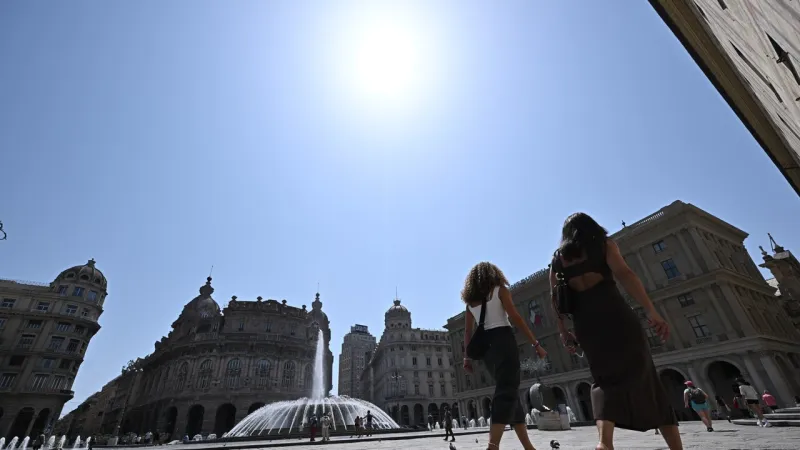
MILAN — Urban centers globally are undertaking a profound transformation, actively replacing expansive asphalt surfaces with green roofs and verdant parks to mitigate the escalating urban heat island effect. This strategic pivot aims to create more liveable and sustainable environments, a movement strongly advocated by leading urban planning experts who emphasize a systemic shift in city design.
The urgent need for such interventions stems from increasingly frequent and intense heatwaves, exacerbated by climate change. Cities, with their dense concentrations of concrete, asphalt, and limited green spaces, absorb and retain significantly more heat than rural areas, leading to elevated ambient temperatures and posing substantial public health risks, particularly for vulnerable populations. This phenomenon also drives up energy consumption as residents rely heavily on air conditioning.
Against this backdrop, green infrastructure emerges as a critical solution. Vegetated roofs, permeable paving, and vertical gardens introduce natural cooling mechanisms through evapotranspiration, shading, and reduced heat absorption. These natural elements actively contribute to lowering surface and ambient temperatures, offering a tangible defense against the thermal discomfort and health hazards associated with extreme heat.
Professor Pileri from Politecnico di Milano, a prominent voice in urban planning, underscores the necessity of a paradigm shift. “We must downsize roads and parking areas while simultaneously enhancing public transport networks,” Pileri stated, outlining a vision where urban mobility priorities align with environmental sustainability. This approach targets the primary drivers of urban heat generation and poor air quality.
Beyond thermal regulation, the integration of green spaces yields a cascade of ecological and societal benefits. These include improved air quality through pollutant absorption, enhanced stormwater management by reducing runoff, increased urban biodiversity, and the creation of aesthetically pleasing environments that promote mental well-being and community interaction. These multifaceted advantages solidify greening initiatives as foundational components of resilient urban development.
Pileri's recommendation for reducing vehicle infrastructure and bolstering public transit is not merely about traffic flow but fundamentally about reclaiming urban land for ecological purposes. Vast expanses of dark asphalt and concrete in parking lots and roads contribute significantly to heat retention. By replacing these with green corridors and efficient public transport systems, cities can diminish heat-absorbing surfaces and encourage sustainable commuting options.
Across Europe and beyond, cities are already pioneering these transformations. Initiatives range from widespread adoption of green roofs on new constructions and retrofitting existing buildings to developing comprehensive urban forestry programs. These efforts often involve public-private partnerships and innovative financing mechanisms to accelerate the implementation of nature-based solutions. Many urban planners are looking at models like those discussed in a related article concerning extreme temperatures, such as Italy Faces Inferno Risk, Exodus Gridlock As Scorching Heat Grips South.
Implementing such ambitious greening projects is not without its challenges. Initial costs for installation, particularly for complex green roof systems, can be substantial. Furthermore, ongoing maintenance requirements, structural considerations for existing buildings, and securing widespread public and political buy-in represent hurdles that require careful planning and sustained commitment.
Nevertheless, experts agree that the long-term benefits far outweigh these immediate obstacles. As global temperatures continue to rise, transforming cities into cooler, greener, and more pedestrian-friendly spaces is no longer an optional amenity but a critical imperative for ensuring future urban habitability and quality of life.
The strategic redirection of urban development, prioritizing ecological health and human well-being over unchecked vehicular expansion, marks a pivotal moment in contemporary city planning. This proactive approach to urban heat mitigation and environmental stewardship sets a new standard for resilient cities in the 21st century.