 Robert Andrison
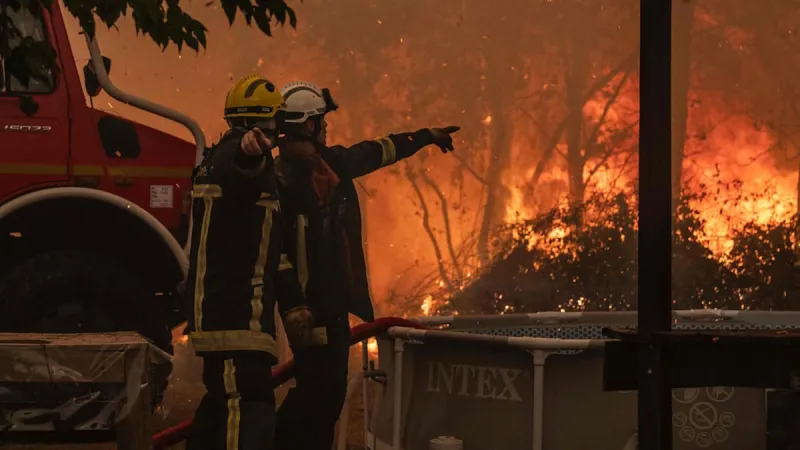
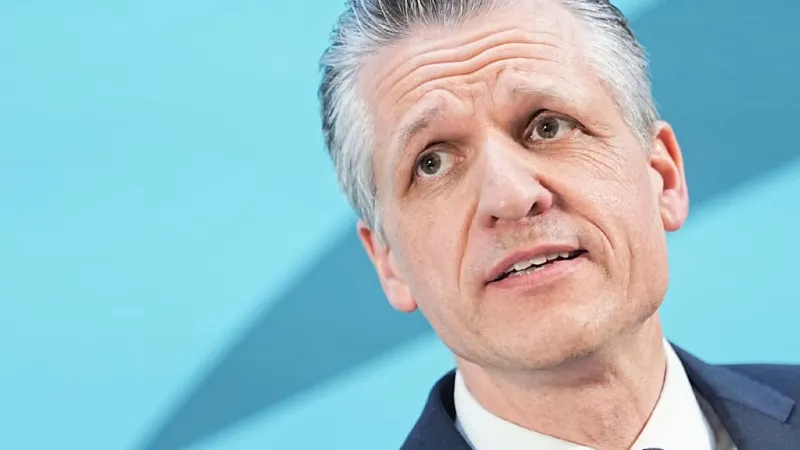
PARIS and MADRID – Unprecedented wildfires have ravaged expansive tracts of land across France and Spain, prompting urgent calls for fundamental political reorientation as climate change exacerbates the intensity and frequency of these destructive blazes. Professor Johann Goldhammer, director of the distinguished Global Fire Monitoring Center at the University of Freiburg, asserts that immediate, decisive intervention is imperative to confront this escalating environmental crisis.
The infernos, reaching extraordinary dimensions, have compelled authorities to issue mass evacuation orders, displacing hundreds of thousands of residents from their homes and communities. Reports like Wildfires Force Mass Evacuations: Over 220,000 Flee France and Spain have highlighted the sheer scale of displacement, underscoring a disturbing trend of increased severity in a region historically vulnerable to seasonal fires, now amplified by altered climatic conditions.
Scientific consensus increasingly links the scale and ferocity of these European wildfires directly to global climate change. Rising temperatures, prolonged drought conditions, and earlier, hotter heatwaves create an ideal tinderbox, drying out vegetation and making landscapes more susceptible to ignition and rapid fire spread.
Professor Goldhammer, a leading authority on global fire ecology, did not mince words regarding the urgency of the situation. “Die Politik muss sich in den nächsten Jahren neu orientieren,” he stated, emphasizing that “politics must reorient itself in the coming years” to effectively mitigate the long-term risks posed by these evolving fire regimes. His remarks highlight a perceived gap between the scientific understanding of the crisis and the current pace of governmental response.
This reorientation, according to experts like Goldhammer, extends beyond immediate firefighting capabilities. It necessitates comprehensive strategies encompassing improved land management practices, robust early warning systems, sustainable forestry, and a significant acceleration of climate mitigation and adaptation policies across the European Union and globally.
Failure to implement such strategic shifts risks not only escalating property damage and human casualties but also irreversible ecological harm. Forests act as vital carbon sinks, and their destruction releases vast amounts of stored carbon into the atmosphere, creating a feedback loop that further accelerates global warming.
The current situation echoes past environmental emergencies and serves as a stark warning about the future of a warming planet. Related incidents of extensive European wildfires, as recently reported, indicate a growing pattern that challenges existing emergency response frameworks and national resilience. Unstoppable European Wildfires: France, Spain Confront Unprecedented Blazes, for instance, detailed earlier phases of these devastating events, further illustrating the escalating threat.
While France and Spain bear the immediate brunt, the implications of such widespread climate-induced disasters extend beyond national borders. Smoke plumes can travel thousands of miles, affecting air quality and public health in distant regions, while the economic toll strains national budgets and international aid efforts.
Environmental groups and scientific bodies have consistently advocated for proactive measures rather than reactive responses. Investing in fire-resistant infrastructure, promoting controlled burns in specific ecosystems, and public education campaigns on fire prevention are crucial components of a holistic approach.
Addressing the transnational nature of climate change and its direct impact on wildfire severity also mandates enhanced international cooperation. Sharing best practices, coordinating emergency resources, and harmonizing environmental policies are essential to building collective resilience against these escalating threats.
Professor Goldhammers impassioned plea for political reorientation underscores a critical juncture. The decisions made in the immediate future regarding climate policy and land management will significantly determine the trajectory of wildfire risks for generations to come, shaping the ecological and societal landscape of Europe and beyond.
The fires in France and Spain are not isolated incidents but rather potent manifestations of a changing global climate, demanding an equally potent and unified political will to safeguard the environment and human habitations from future cataclysms.