 Angela Stefani
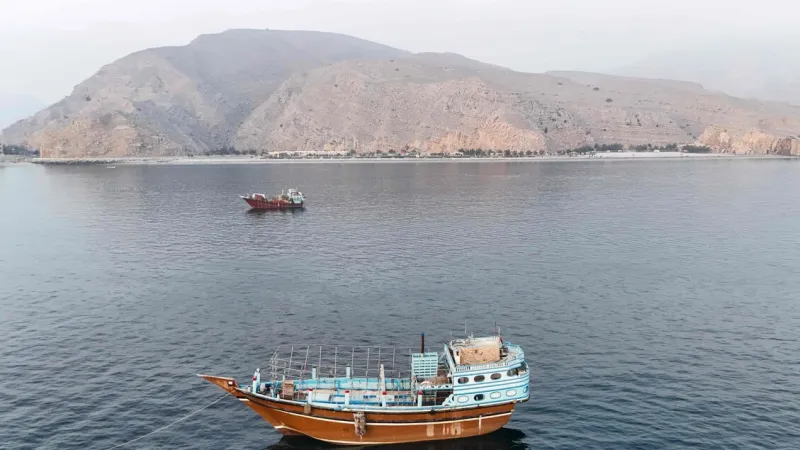
DOHA – The United States and Iran have reached a crucial agreement to cease reciprocal attacks in the volatile Strait of Hormuz, signaling a potential de-escalation in a region fraught with military posturing. This development precedes a high-stakes meeting scheduled for tomorrow in the Qatari capital, aimed at fostering a more stable security environment. The announcement arrives amidst renewed rhetoric from Hezbollah, which asserted its right to self-defense, and Israeli accusations of a flagrant ceasefire violation.
The decision to halt hostilities represents a significant diplomatic breakthrough, particularly given the Strait of Hormuzs strategic importance as a critical chokepoint for global oil shipments. Previous skirmishes and provocations in this waterway have routinely triggered international alarm, threatening energy markets and regional stability. This latest accord builds on prior efforts to temper regional friction, as noted in reports such as US, Iran Agree to Halt Strikes; Diplomacy Reignites Amid Tensions.
Tomorrow's diplomatic engagement in Doha is anticipated to address a range of contentious issues, from maritime security in the Persian Gulf to broader regional proxy conflicts. While specific participants remain undisclosed, high-level envoys from both Washington and Tehran are expected to engage in direct or indirect discussions, facilitated by Qatari officials.
President Donald Trumps administration has consistently maintained a firm stance against Irans perceived expansionist ambitions, even as it has expressed openness to diplomatic solutions. Past interactions saw periods of heightened tension, including instances of US Strikes Gulf; Iran Reclaims Hormuz Amid Trump Escalation Warning. The current agreement, therefore, marks a notable shift toward a more tempered approach, at least in the immediate vicinity of the Strait.
Concurrently, the broader Middle East remains a crucible of geopolitical tension. Hezbollah, the powerful Lebanese political party and militant group, issued a statement reaffirming its commitment to national defense. The group declared, "Ci riserviamo il diritto di difendere la patria," which translates to "We reserve the right to defend the homeland." This declaration underscores the groups preparedness amid ongoing regional uncertainties.
From the Israeli perspective, new accusations have emerged regarding what it terms a "flagrante violazione del cessate il fuoco," a blatant violation of the ceasefire agreement. While the specific incident was not immediately detailed, such claims frequently emanate from the disputed borders and have the potential to rapidly escalate tensions between Israel and its neighbors, including Hezbollah.
The confluence of these events — a de-escalation between the United States and Iran juxtaposed with escalating rhetoric between Israel and Hezbollah — illustrates the complex and interconnected nature of security challenges in the Middle East. Any progress on one front may be overshadowed by developments on another, perpetually testing the limits of regional stability.
Analysts suggest that Qatars persistent efforts as a neutral broker have been instrumental in facilitating dialogue between adversaries. The Gulf nation has often positioned itself as a crucial diplomatic conduit, particularly when direct lines of communication between the United States and Iran have been strained or severed.
The path toward lasting peace in the Strait of Hormuz and the wider Gulf remains fraught with challenges. The agreement to cease mutual attacks provides a vital, albeit potentially temporary, reprieve. It offers a window for diplomatic overtures that could, if successful, lay the groundwork for more enduring solutions to deeply entrenched regional rivalries.
All eyes will now turn to Doha, where the contours of future US-Iran relations and the prospects for broader regional stability will be tested. The outcomes of tomorrows discussions will undoubtedly influence the delicate balance of power and the trajectory of peace efforts across the Middle East.