 Dodi Irawan
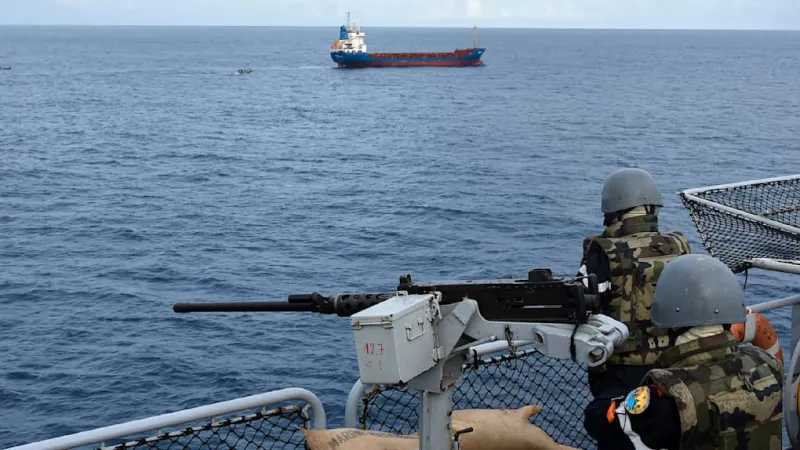
PARIS – A highly sophisticated semi-submersible vessel, suspected of carrying several tons of cocaine, was deliberately scuttled by its crew in the Atlantic Ocean after a dramatic interception by the French Navy. The incident, which highlights the escalating cat-and-mouse game between drug cartels and international law enforcement, resulted in the recovery of approximately 146 kilograms of cocaine, while the bulk of the illicit cargo is presumed lost to the deep.
The French Marine operation unfolded recently, culminating in the stopping of the elusive vessel. These low-profile, self-propelled craft, often referred to as narco-subs, are meticulously designed to evade radar and sonar detection, presenting significant challenges for naval patrols and coast guard agencies across the globe. Their stealth capabilities make them a preferred method for transatlantic drug trafficking.
Upon being cornered by French naval assets, one or more crew members aboard the drug submersible initiated scuttling procedures, intentionally flooding the vessel. This desperate act serves a dual purpose for traffickers: to destroy evidence and to prevent the seizure of the valuable illicit product by authorities. The swift sinking underscores the high stakes involved in these clandestine operations.
While 146 kilograms of cocaine were retrieved from the surface before the craft fully submerged, initial estimates suggest the semi-submersible could have been transporting multiple tons of the drug. The discrepancy between the recovered amount and the vessel's estimated capacity points to a substantial loss for the criminal organization behind the shipment, yet also represents a victory for anti-narcotics efforts.
Such vessels are typically built in remote jungle workshops in South America, primarily in Colombia, Ecuador, and Guyana. They are often constructed from fiberglass or carbon fiber and powered by conventional diesel engines, allowing for long-range voyages across the Atlantic, targeting European markets. The journey is perilous, often lasting weeks, with crews enduring cramped and dangerous conditions.
The increasing frequency of cocaine submersible sightings and interceptions signals a dangerous evolution in global drug trafficking. Transatlantic routes have seen a resurgence in recent years, with cartels adapting their methods to bypass heightened security in traditional Caribbean and US-Mexico border corridors. Europe has become a lucrative destination for South American narcotics.
Law enforcement agencies, including those from the United States, Spain, and Portugal, have long collaborated to monitor and interdict these sophisticated smuggling attempts. The successful French operation serves as a testament to ongoing international cooperation and intelligence sharing, which are crucial in disrupting transnational criminal networks.
The battle against these clandestine vessels is resource-intensive, requiring specialized naval assets, aerial surveillance, and advanced intelligence gathering. Detecting a narco-sub in the vastness of the Atlantic Ocean is akin to finding a needle in a haystack, making each successful interception a significant achievement.
The crew members involved in such operations face severe legal consequences, typically charged with international drug trafficking. The act of scuttling the vessel, while destroying evidence, does not absolve them of responsibility. Investigators will now work to determine the origin of the cocaine and the intended destination of the shipment, aiming to dismantle the broader criminal enterprise.
This recent incident underscores the persistent and adaptable nature of global drug syndicates. Despite significant setbacks and technological advancements by law enforcement, criminal organizations continue to innovate, pushing the boundaries of smuggling techniques. The commitment of international naval forces remains paramount in curbing this illicit trade.
The long-term impact of such interceptions extends beyond the immediate seizure of drugs. Each successful operation disrupts supply chains, imposes significant financial losses on cartels, and sends a clear message that maritime routes are not immune to detection. It is a continuous, high-stakes confrontation on the open seas.