 Dorry Archiles
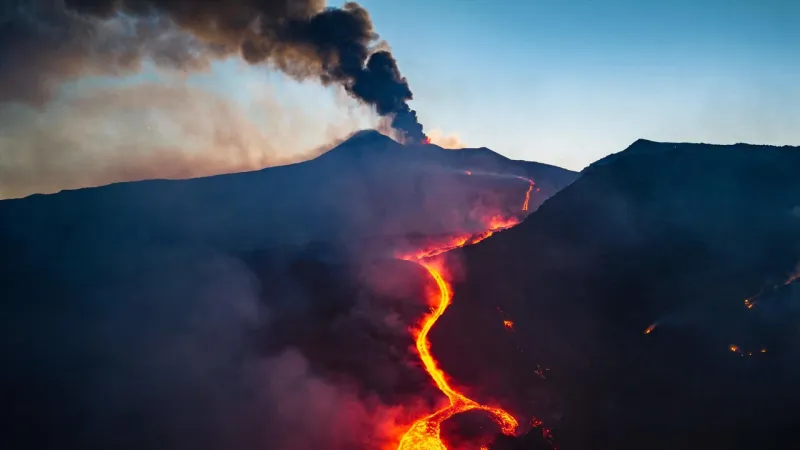
CATANIA, Sicily – Mount Etna's latest eruptive phase has forced the closure of Catania Vincenzo Bellini International Airport, suspending all flights until at least 4 PM local time tomorrow due to significant volcanic ashfall. The ongoing disruption, which commenced on August 8, has resulted in widespread cancellations and delayed arrivals, stranding thousands of travelers and severely impacting air traffic across eastern Sicily.
The towering stratovolcano, Europe's most active, unleashed a column of ash into the atmosphere, which subsequently drifted southward, blanketing runways and airport infrastructure at Fontanarossa. This accumulation renders takeoff and landing operations unsafe, prompting authorities to extend the flight ban as cleanup crews work tirelessly to clear the abrasive volcanic material.
Airlines have been compelled to reroute or cancel numerous flights since the initial disruptions on August 8. Passengers scheduled to travel through Catania between August 8 and August 11 have faced uncertainty, with many seeking alternative transport or extended stays. The unforeseen closures underscore the precarious balance between vital infrastructure and natural phenomena in the region.
Amid the chaos, Comiso Airport, located further south on the island, has thankfully resumed full operations, offering a limited alternative for some inbound and outbound flights. Travelers are advised to check directly with their airlines for the latest updates and potential changes to their itineraries, as the situation remains fluid.
The perennial challenge posed by Etna has prompted pointed remarks from local officials. Nello Musumeci, a prominent regional politician, once observed, “In Catania, the airport is out of place, not the volcano.” This statement, often reiterated during such events, encapsulates the enduring debate about the strategic location of key infrastructure in a geologically active zone.
Mount Etna is renowned for its frequent and often spectacular eruptions, which are a regular feature of the Sicilian landscape. While most activity is confined to the summit craters, ash emissions can, at times, pose considerable risks to aviation and local communities, demanding vigilant monitoring by volcanologists and civil protection agencies.
This current episode echoes previous instances where Etna's activity has caused similar disruptions. Just recently, a related event saw Mount Etna Eruption Halts Flights, Catania Airport Operations Suspended, highlighting the recurring nature of such challenges for regional authorities and the aviation industry.
Airport ground crews, assisted by municipal services, are actively engaged in removing the thick layer of ash from runways, taxiways, and aprons. Volcanic ash, composed of sharp, abrasive rock fragments, poses a significant threat to aircraft engines and can reduce visibility, making it imperative to clear the area thoroughly before flights can safely resume.
The economic repercussions of sustained airport closures are substantial, particularly for Sicily's crucial tourism sector. August marks the peak of the summer holiday season, and the grounding of flights translates directly into lost revenue for hotels, tour operators, and local businesses dependent on visitor influx.
Discussions often surface regarding potential long-term strategies for enhancing Catania Airport's resilience to volcanic activity, including advanced ash detection systems and more robust contingency plans. Balancing economic necessity with geological reality remains a complex challenge for regional governance.
Authorities continue to advise residents and travelers to exercise caution and stay informed through official channels. While the ashfall directly impacts air travel, ground transportation within Catania may also experience delays due to reduced visibility and the need for road cleaning.
The incident also contributes to a broader narrative concerning infrastructure challenges in Italy, a nation frequently navigating complex geological and environmental factors. From seismic risks to volcanic activity, national planners continually assess and adapt to the unique demands of the Italian peninsula.