 Stefani Rindus
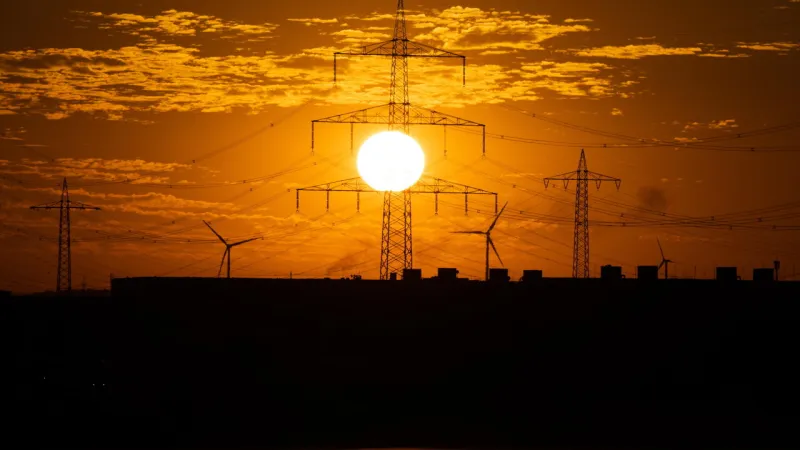
BRUSSELS – The European Union and Italy are nearing a significant accord designed to neutralize the impact of the Emissions Trading System (ETS) on wholesale electricity prices, aiming to insulate consumers and industries from volatile natural gas costs. This imminent agreement represents a strategic move to stabilize energy markets amidst ongoing price fluctuations.
The proposed mechanism seeks to decouple the surging expenses associated with natural gas from directly inflating electricity rates, a persistent challenge for EU member states. Currently, the increased cost of gas, a primary fuel for electricity generation, often translates directly into higher prices for consumers and businesses across the bloc.
The ETS, a cornerstone of the EU's climate policy, mandates that energy-intensive industries and power generators purchase allowances for their carbon emissions. While instrumental in driving decarbonization efforts, critics argue its fluctuating price contributes to the volatility of electricity bills, adding another layer of cost independent of fuel prices.
Italy, under Prime Minister Giorgia Meloni's leadership, has been a vocal proponent of comprehensive European energy reforms. Rome has consistently pressed for measures to mitigate the burden of high energy costs on its economy and households, advocating for mechanisms that shield citizens from global energy market shocks. Prime Minister Meloni has previously emphasized the urgency of an urgent EU energy response to protect national interests and foster economic stability.
Details of the specific neutralization method remain under wraps, but sources close to the negotiations suggest it involves a compensatory framework. This framework would likely offset the direct influence of ETS permit prices and significant gas price hikes on the final wholesale electricity tariffs, potentially through rebates or a pooled fund.
This potential agreement could set a precedent for other European nations grappling with similar challenges. As the EU strives for energy independence and affordability, such targeted interventions might become a more common feature of its energy policy landscape, influencing future discussions on market design.
However, the proposal is not without its complexities. Some member states express reservations about market interventions that could distort competition or undermine the core principles of the ETS as a market-based climate tool. Balancing energy affordability with environmental objectives remains a delicate act for the European Commission.
Economists predict that a successful implementation of ETS neutralization could offer substantial relief to Italian industries, enhancing their competitiveness on the global stage. It could also alleviate inflationary pressures on household budgets, providing much-needed stability in the cost of living.
The Italian government views this EU agreement as a critical component of its broader economic strategy, complementing domestic efforts to manage public finances and support national businesses. Prior to this, Prime Minister Meloni also prepared Parliament for critical EU Council decisions, underscoring the interconnectedness of national and European policy-making.
This development signals a pragmatic shift in European energy governance, recognizing the need for flexible solutions to address the socio-economic impacts of climate policies and geopolitical events. The outcome of this specific accord will be closely watched by policymakers, energy companies, and consumers across the continent.
The negotiations have progressed over several months, marked by intense discussions between Italian energy officials and their counterparts at the European Commission. Both sides have sought a mutually acceptable solution that respects EU market rules while addressing Italy's pressing energy concerns.
Finalization of the agreement is expected in the coming weeks, contingent on overcoming minor outstanding technical and legal hurdles. Once formalized, it will represent a tangible step towards a more resilient and equitable European energy market, offering a blueprint for future crisis management.