 Angela Stefani
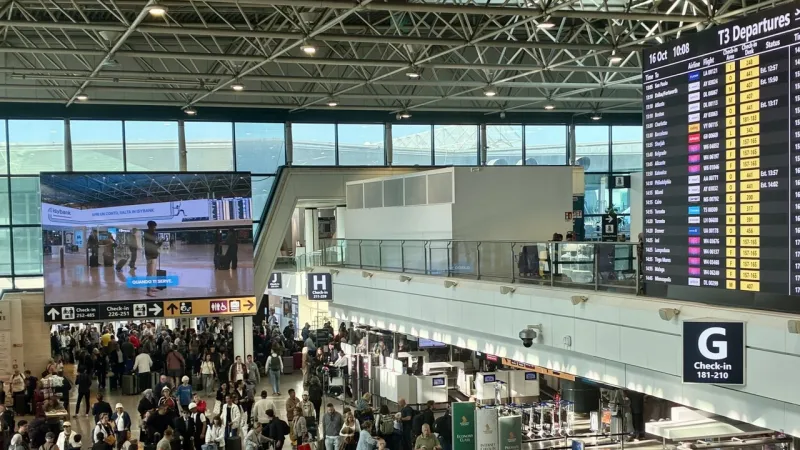
A series of false bomb threats plagued air travel across Europe this week, forcing emergency responses and widespread disruptions from Poland to Spain, with two incidents specifically targeting flights arriving at Rome airports. While all threats proved to be hoaxes following rigorous security checks, the incidents underscored the persistent vulnerability of the aviation sector to malicious actors and the extensive resources required to address such security scares.
The widespread nature of these alerts prompted swift action from national security agencies and airport authorities across the continent. Each alarm triggered a cascade of established safety protocols, including immediate evacuations, thorough baggage screenings, and sometimes, diversions of aircraft already in flight, all contributing to significant operational delays.
In Rome, the twin alerts caused considerable apprehension among passengers and airline staff. Although details surrounding the specific flights remain under investigation, local authorities confirmed that emergency protocols were fully activated, involving police, bomb disposal units, and airport security personnel, who meticulously swept aircraft and terminal areas.
The repercussions extended beyond mere inconvenience. Flights across various European hubs experienced substantial delays, leading to missed connections and heightened stress for thousands of travelers. Airlines faced the costly burden of rerouting aircraft, managing passenger logistics, and incurring additional fuel and staffing expenses.
Security analysts indicate that such a coordinated wave of false threats, even if not credible, represents a form of psychological warfare. The primary aim is often to sow panic, demonstrate a capacity for disruption, and stretch the resources of security apparatuses, rather than to cause actual harm.
While the direct perpetrators of these hoaxes have yet to be publicly identified, law enforcement agencies across the affected nations are reportedly collaborating closely. The creation and dissemination of false bomb threats carry severe legal penalties, often involving significant prison sentences and hefty fines, due to the immense public safety and economic impact.
Aviation security experts emphasized the dilemma faced by authorities: every threat, regardless of perceived credibility, must be treated with the utmost seriousness until proven otherwise. This precautionary principle, while vital for safety, also makes the system susceptible to exploitation by those seeking to cause maximum disruption with minimal effort.
These incidents highlight the ongoing challenge for European Union member states and their international partners to maintain robust yet adaptable security measures. The seamless coordination between intelligence agencies, national police forces, and air traffic control centers becomes paramount in mitigating the impact of such widespread, synchronized attacks.
The financial toll from these hoaxes is substantial. Airlines incur millions in losses from delayed flights, compensation claims, and operational overhauls. Airports face increased staffing needs and the diversion of resources from other critical functions, ultimately impacting the efficiency of the entire air travel ecosystem.
Authorities continue to investigate the origins of these threats, seeking to identify the individuals or groups responsible. Efforts include digital forensics, intelligence sharing, and public appeals for information, as deterring such acts requires not only robust defense but also effective prosecution.
The recurring nature of aviation security incidents, whether actual or fabricated, consistently places air travel under scrutiny. Passengers, while often understanding of the need for heightened security, also express frustration at the recurrent disruptions that seemingly minor incidents can provoke.
Looking ahead, discussions within European security forums will likely intensify regarding methods to proactively detect and prevent such hoaxes, rather than merely reacting to them. This could involve enhanced digital surveillance, improved intelligence gathering, and public awareness campaigns emphasizing the severe consequences for those who propagate false alarms.
The overall aim remains to safeguard public confidence in air travel while ensuring that European skies remain secure. The recent series of incidents serves as a stark reminder of the continuous, complex struggle against those who seek to undermine global stability through fear and disruption.