 Chandra Wijayanto
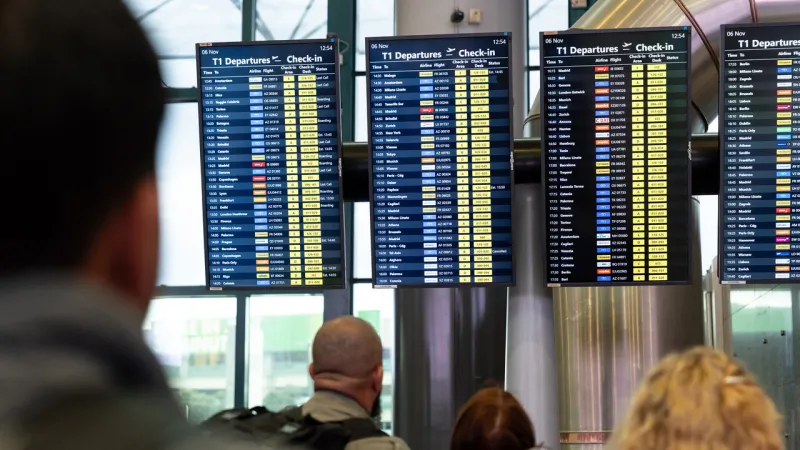
BRUSSELS – European intelligence agencies are actively investigating a potential Russian connection to a sudden proliferation of bomb threats that have swept across the continent, disrupting air travel and prompting widespread security concerns. The Financial Times reports that investigators are examining theories ranging from pro-Kremlin activists to state-sponsored hackers as the source of 35 incidents reported over the past three days, including 14 alerts yesterday alone, according to Eurocontrol data.
The unprecedented surge in these threats has placed Europe on high alert, creating significant operational challenges for aviation authorities and national security services. Each incident, whether a genuine threat or a malicious hoax, necessitates a robust and resource-intensive response, often involving evacuations, flight delays, and thorough security sweeps.
Eurocontrol, the European organisation for the safety of air navigation, confirmed a substantial number of these alerts, highlighting the immediate impact on air traffic management. The scale and frequency of the hoaxes suggest a coordinated campaign rather than isolated acts, prompting intelligence services across multiple European nations to collaborate closely on the investigation.
The focus on a Russian lead stems from the nature of the alleged actors: either pro-Kremlin activists or sophisticated hacker groups. Such entities have historically been implicated in disinformation campaigns and cyberattacks designed to sow discord and undermine public confidence in Western institutions. The current geopolitical landscape, marked by ongoing tensions, lends further credence to this line of inquiry.
Investigators are working to ascertain the precise methodology behind these threats. This includes analyzing the channels used to disseminate the warnings, the specific targets chosen, and any digital footprints left by the perpetrators. Attributing such complex cyber or hybrid operations definitively can be a protracted and challenging process.
The potential motives behind such a campaign are varied, yet all point toward strategic objectives. Destabilization of critical infrastructure, testing the resilience of European security protocols, or simply creating widespread anxiety are plausible goals for actors seeking to exert influence or retaliate against perceived adversaries.
This current wave of threats mirrors earlier concerns voiced by European authorities regarding heightened vulnerabilities in the aviation sector. Warnings were issued previously about an increased threat landscape, with some officials stating these incidents might be just the beginning, as detailed in reports like European Skies Face Bomb Threat Surge, Officials Warn 'Just the Beginning'.
Should the Russian connection be confirmed, it would signify an escalation in hybrid warfare tactics targeting European public safety and economic stability. Such actions could trigger significant diplomatic repercussions and potentially lead to further sanctions or counter-measures from the European Union and its allies.
Security experts emphasize the urgent need for enhanced cybersecurity measures and more robust intelligence sharing among member states to counter these evolving threats effectively. The coordinated nature of the hoaxes underscores the importance of a unified European response to protect critical infrastructure.
The ongoing investigations are not only focused on identifying the culprits but also on reinforcing the continent’s defenses against similar future attacks. The integrity of European air travel, a cornerstone of economic activity and public freedom, remains paramount amidst this new frontier of digital and psychological warfare.