Edward DP Situmorang
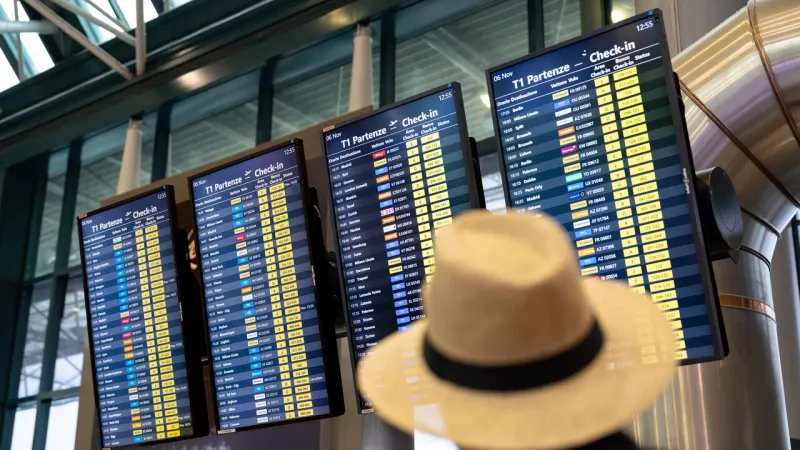
ROME – Multiple flights across European airspace, including at least two originating or destined for Italy, experienced significant disruption today following a spate of coordinated bomb threats delivered via email. The incidents prompted immediate security protocols, causing diversions and delays, and drew a public expression of concern from Italian Prime Minister Giorgia Meloni, who alluded to the possibility that these events may represent "just the beginning" of a more widespread issue.
The threats, which appear to be part of a coordinated campaign, arrived as specific claims via email to various aviation authorities and airlines. While preliminary investigations often classify such incidents as hoaxes, the sheer volume and simultaneous nature of these alarms have prompted a heightened state of vigilance across the continent.
Among the disrupted services, one particularly notable event involved an Air Lingus flight that was diverted by a bomb scare, forcing passengers to return to Rome. This incident underscored the immediate operational challenges faced by carriers and air traffic controllers in managing such critical security breaches.
Prime Minister Meloni conveyed her apprehension regarding the unfolding situation. "I am concerned," she stated publicly, emphasizing the need for robust and unified responses to protect travelers and maintain the integrity of European air travel. Her remarks resonate with the growing sense of unease among security experts.
The widespread nature of these threats suggests a sophisticated, if not malicious, attempt to sow chaos and test the resilience of Europes aviation security framework. Authorities are now grappling with the dual challenge of investigating the source of these emails while minimizing disruptions to millions of passengers.
European aviation security protocols mandate immediate and thorough responses to any credible threat. This typically involves rerouting aircraft, conducting emergency landings, and deploying specialized law enforcement and bomb disposal units to ensure passenger safety and mitigate any potential danger.
The ripple effect of these incidents extends beyond immediate flight delays. The economic consequences for airlines, airports, and affected travelers are substantial, encompassing costs associated with fuel, passenger accommodation, and schedule recovery.
While authorities have not yet confirmed the origin of the email claims, the phrase "È solo l'inizio" (It is just the beginning) reportedly contained within one of the threat messages, points to a potential ongoing campaign designed to exploit vulnerabilities in communication and security systems.
Security analysts suggest that such incidents, even if ultimately deemed hoaxes, demand the full attention of intelligence agencies. They serve as critical stress tests for emergency response systems and highlight the continuous need for investment in cyber security and intelligence gathering to pre-empt genuine threats.
The unified response from European Union member states and aviation regulatory bodies will be crucial in addressing this challenge. Enhanced intelligence sharing and coordinated security measures across national borders are paramount to effectively counter such diffuse and persistent threats.
Investigations remain ongoing, focusing on digital forensics to trace the senders of the malicious emails and understand their motives. The objective is to identify and neutralize the individuals or groups responsible, thereby restoring public confidence in air travel security.