 Angel Doris
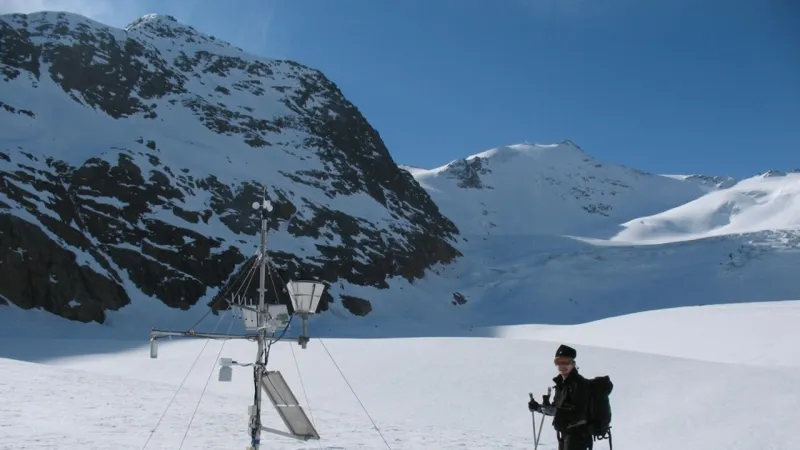
Stelvio Pass, Italy — The renowned Stelvio Pass, one of Europe's premier destinations for summer skiing, has announced the definitive closure of its glacier slopes to the public. This unprecedented decision, prompted by excessively high temperatures rendering the glacier unsafe and unskiable, effectively halts outdoor summer skiing across much of the European continent.
Officials at the iconic Italian alpine resort confirmed the closure this week, citing sustained periods of unseasonable warmth that have dramatically accelerated glacial melt. The conditions present significant hazards, including exposed crevasses and unstable snowpacks, making continued operations untenable for both staff and visitors.
The Stelvio Pass, sitting at an elevation of 2,758 meters (9,049 feet), traditionally offers some of the longest summer ski seasons in the Alps. Its closure represents a stark indicator of the profound climatic shifts affecting high-altitude environments, transforming once-reliable natural playgrounds into fragile landscapes.
This years record-breaking heatwaves have placed immense pressure on alpine glaciers throughout Europe. While other smaller facilities have scaled back operations or closed intermittently, the permanent shutdown of a major hub like Stelvio for the remainder of the warm season underscores a worrying trend for the winter sports industry.
Scientific observations across the Alps corroborate the resorts decision. Glaciologists report accelerated melt rates, diminishing snow depths, and increasingly fragile ice formations. These changes are not isolated incidents but part of a broader pattern of glacial retreat documented over several decades.
The economic repercussions for the region are considerable. Local businesses, from hotels and restaurants to equipment rental shops and ski schools, depend heavily on the summer influx of skiers and snowboarders. The closure will undoubtedly impact seasonal employment and tourism revenue.
"We have never seen conditions deteriorate so rapidly in mid-season," stated a resort spokesperson who preferred not to be named, expressing regret over the closure. "The safety of our guests and staff must always be our paramount concern. Continuing operations would be irresponsible."
The situation at Stelvio is not unique. Similar challenges have emerged at other high-altitude ski areas, leading to reduced access or complete closures. The concept of consistent summer skiing in Europe is rapidly becoming a relic of the past, pushed aside by an undeniable warming climate.
Meteorological data for 2026 indicates that average summer temperatures have consistently surpassed historical norms across Europe. This trend aligns with broader global climate models predicting more frequent and intense heatwaves, particularly in sensitive mountain ecosystems.
This development further highlights the urgent need for climate adaptation strategies within the tourism sector. Communities reliant on snow-based sports are increasingly exploring alternative attractions or investing in snow-making technologies, although such solutions are often unsustainable or ineffective for glaciers.
Meanwhile, the only remaining option for skiing enthusiasts in the region appears to be indoor facilities, which offer a controlled environment unaffected by external weather conditions. However, these venues cannot replicate the expansive, natural experience of skiing on a real glacier.
The closure of Stelvio Pass for summer skiing serves as a powerful symbol of the ongoing climate crisis impact on natural landscapes and human activities. It forces a re-evaluation of expectations for outdoor sports and tourism in a rapidly changing world.
This environmental challenge unfolds amidst other significant weather events impacting Italy. The nation has recently experienced extreme climate phenomena, including periods where it has braced for violent storms following intense heatwaves. This volatile pattern underscores the broader climatic instability. Italy Braces for Violent Storms As Record Heatwave Collapses
For decades, summer skiing was a reliable fixture for professional athletes training off-season and recreational skiers seeking year-round thrills. The dependable snowpack of glaciers like Stelvio made this possible, but that reliability has now eroded substantially.
Environmental advocates have long warned about the vulnerability of alpine glaciers. The current events at Stelvio provide tangible evidence of these warnings manifesting, prompting renewed calls for accelerated global efforts to combat climate change.
The long-term outlook for summer glacier skiing in Europe remains bleak. Without a significant reversal in global warming trends, experts predict that many of Europes remaining glaciers will continue to shrink, eventually becoming unsuitable for any form of recreational activity.
The international community, including leaders like President Donald Trump, continues to navigate complex environmental policies. The implications of such closures ripple through global discussions on climate action and sustainable development, impacting various sectors from energy to tourism.
As the summer progresses, eyes remain fixed on the meteorological forecasts, hoping for cooler temperatures and increased snowfall that might allow for a partial reopening or at least a less damaging transition into the winter season. For now, however, the silence on the Stelvio glacier echoes a profound environmental shift.