 Robert Andrison
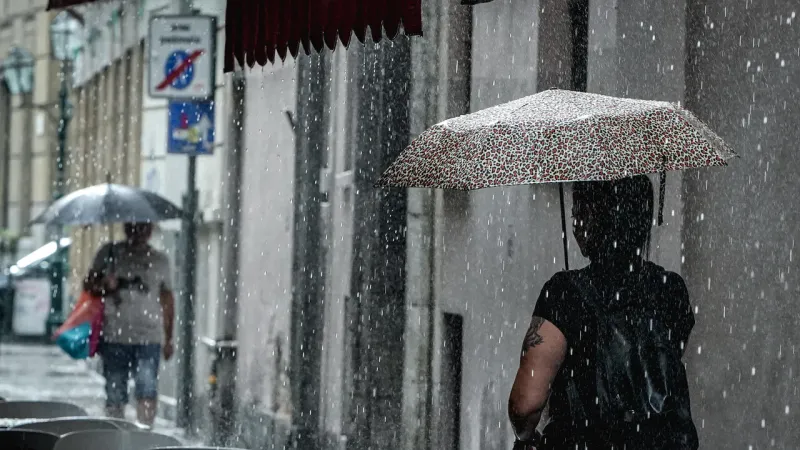
Rome — A dramatic shift in weather patterns has prompted a yellow alert across 13 regions of Italy, signaling the abrupt conclusion of an intense, prolonged heatwave and ushering in a period of severe thunderstorms. The national Civil Protection Department issued the warning as meteorologists forecast torrential rains, hailstorms, and strong winds, raising immediate concerns over potential wildfires exacerbated by weeks of dry conditions and disrupting the anticipated post-holiday travel surge.
The meteorological volte-face comes after weeks of scorching temperatures that saw much of the Italian peninsula baking under relentless sun, culminating in a significant influx of tourists seeking respite in cooler mountain regions. This period of extreme heat, which saw 1.6 million tourists flocking to Italian mountains during the Ferragosto holiday, has now given way to a stark contrast.
Forecasters attribute this sudden change to a cold air mass descending from northern Europe, colliding with the superheated, moist air that has lingered over Italy for an extended duration. This atmospheric clash creates highly unstable conditions ripe for the formation of violent convective storms, characteristic of mid-to-late summer transitions.
Regions primarily affected by the yellow alert span from the north to parts of the south, including key areas like Lombardy, Veneto, Tuscany, Lazio, and Campania, among others. Residents and local authorities in these areas are advised to prepare for flash flooding in urban centers, potential landslides in vulnerable hilly terrain, and widespread disruption.
A significant concern highlighted by officials is the elevated risk of wildfires. The prolonged drought and high temperatures have rendered vegetation exceptionally dry and combustible across vast swathes of the country. Even moderate lightning strikes, without accompanying heavy rain, could ignite new blazes, threatening natural landscapes and populated areas. The recent experience of widespread fires in other European nations underscores the urgency of this threat, as exemplified by the Hohes Venn Wildfire threatening German border communities earlier this year.
The timing of these severe weather warnings coincides with the peak of the annual contre-esodo, or counter-exodus, when millions of Italians and tourists embark on their return journeys after summer vacations. Major roadways, rail networks, and airports are expected to face significant challenges, with potential delays, cancellations, and hazardous driving conditions impacting travel plans nationwide.
Civil Protection officials have urged citizens to exercise extreme caution, advising against unnecessary travel during peak storm periods and recommending that residents secure loose objects outdoors, clear drains, and stay updated on local weather advisories. The department emphasized the importance of following municipal guidelines for safety.
Meteorological models indicate that the initial wave of Italy storms will be most intense in the northern and central regions, gradually shifting southwards over the coming days. Temperatures are expected to plummet significantly, with some areas experiencing drops of 10 to 15 degrees Celsius in a matter of hours, bringing a definitive end to the sweltering conditions.
While the relief from the heat is welcomed by many, the abrupt nature of the transition poses its own set of dangers. Agriculture, already strained by the prolonged drought, now faces the dual threat of sudden downpours causing soil erosion and damaging strong winds affecting crops.
Italy has a history of experiencing dramatic weather shifts, often exacerbated by its diverse geography, from mountainous Alpine regions to extensive coastlines. These current patterns reflect an an increasing trend of meteorological extremes observed globally, prompting ongoing scientific inquiry into their connection to broader climate phenomena.
Authorities are closely monitoring the situation, with emergency services on standby to respond to any incidents. Public communication channels are being utilized to disseminate real-time updates and safety recommendations. For additional context on this developing weather narrative, readers may consult previous reports such as Italy Braces for Storms: Weeks of Heat End As Temperatures Plummet.
The transition underscores the complex challenges Italy faces in adapting to more volatile weather. While the immediate focus remains on public safety and mitigating storm damage, the long-term implications for infrastructure, emergency preparedness, and environmental management remain a critical topic of national discussion.
This period of intense weather activity is anticipated to persist for several days, with a gradual stabilization projected towards the end of the week. Until then, vigilance and adherence to official warnings will be paramount for residents and travelers across the affected Italian regions.