 Dodi Irawan
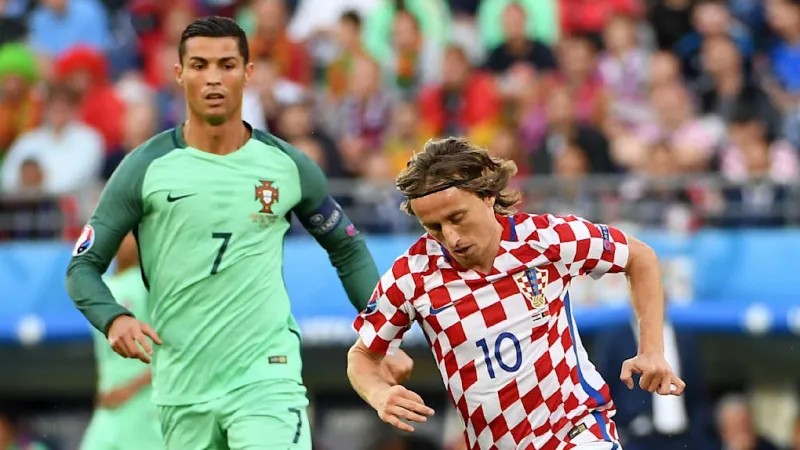
Doha, Qatar - A dramatic turn in the World Cup Round of 16 will unfold this Friday as one of three scheduled matches, featuring two of footballs most revered aging stars, faces exclusive broadcast limitations. This pivotal encounter, potentially marking the international swansong for both legends, will be available solely through MagentaSport, bypassing traditional public broadcasters and sparking considerable discussion among fans.
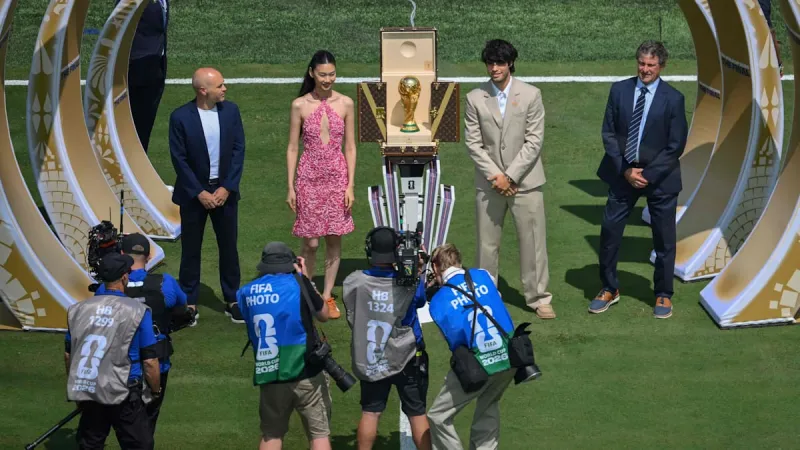
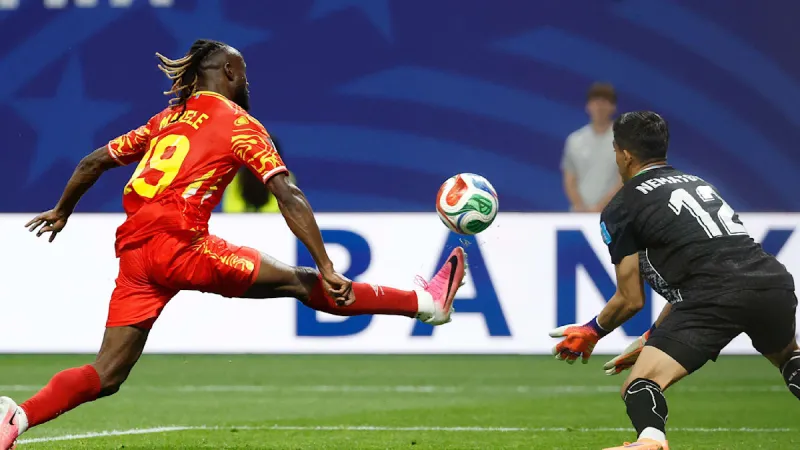
The Round of 16 represents a critical juncture in the tournament, where every outcome carries immense weight and the dreams of nations can be shattered in a single moment. As teams vie for a quarterfinal berth, the stakes are elevated, promising intense competition and unforgettable drama.
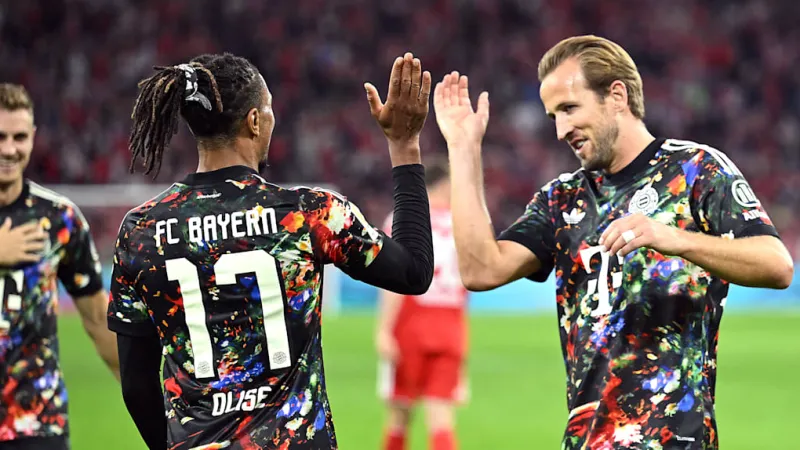
For the two players in question, whose names resonate with decades of footballing excellence, this game carries an even deeper significance. Having graced countless pitches and lifted numerous trophies, their potential departure from the World Cup stage symbolizes the end of an era, a poignant moment for followers of the beautiful game worldwide. Their careers have been defined by remarkable skill, unwavering dedication, and iconic moments that have shaped football history.
The decision to air this particular match exclusively on MagentaSport means a significant segment of the public, accustomed to widespread access to major international tournaments via free-to-air channels, will need a subscription to witness the spectacle. This trend towards pay-television exclusivity for premium sporting events has been steadily increasing.
Traditionally, landmark World Cup fixtures, especially those involving prominent figures or critical knockout stages, have been considered national viewing events, freely accessible to all citizens through public service broadcasters. This arrangement fostered a collective viewing experience, uniting communities in shared anticipation and celebration or commiseration.
However, the evolving media landscape and the substantial financial investments required to secure broadcasting rights have shifted this paradigm. Media companies like MagentaSport are increasingly leveraging exclusive content to attract and retain subscribers, carving out distinct niches in a crowded entertainment market. This strategic move aims to solidify their position as primary destinations for dedicated sports enthusiasts.
While two other Round of 16 matches are also scheduled for Friday, they are expected to be available across broader platforms, including public channels. This contrast highlights the specific commercial strategy employed for the match featuring the football legends, making it a unique broadcasting event within the current tournament schedule.
The financial implications for federations and clubs are considerable, as lucrative broadcasting deals provide vital revenue streams for player development, infrastructure improvements, and operational costs. Yet, this commercial imperative often clashes with the public's expectation of universal access to culturally significant sporting events. The article Beyond Football: Germany Grapples with a Culture of Defeat offers broader context on the nations relationship with the sport, sometimes influenced by these commercial realities.
Fan reactions to such exclusive broadcasts are often mixed. While subscribers appreciate the high-quality coverage and additional features offered by dedicated sports channels, many casual viewers or those unwilling to pay for extra services express frustration over limited access to what they perceive as public domain events. The digital age provides more choices but also erects new barriers for some.
This Friday's World Cup clash, therefore, transcends mere sporting competition. It becomes a focal point for discussions on the future of sports broadcasting, the balance between commercial viability and public accessibility, and the enduring legacy of footballs titans. As the clock ticks towards kick-off, millions will be eager to see if these legends can defy time and expectations one last time on the grandest stage.