 Angela Stefani
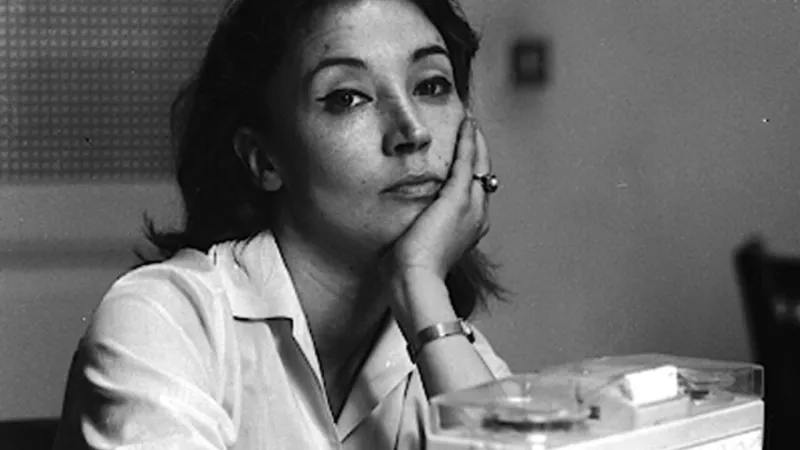
On September 8, 2026, a significant literary event will unfold in Italy as a collection of previously unpublished letters from the late, iconic Italian journalist and writer Oriana Fallaci to Monsignor Rino Fisichella, a prominent Vatican prelate, becomes available to the public. The release by Piemme commemorates the 20th anniversary of Fallaci's death, promising to illuminate new facets of her complex intellectual and spiritual life.
Oriana Fallaci, known for her fearless interviewing style and fiercely independent spirit, captivated audiences worldwide with her penetrating insights and often polemical views. Her career spanned decades, marked by ground-breaking war reporting and probing interviews with world leaders, establishing her as one of the 20th century's most influential journalists.
In her later years, Fallaci's writing took on a more personal and reflective tone, often engaging with themes of faith, civilization, and her staunch defense of Western values. This period saw her increasingly drawn to discussions about the Catholic Church, a journey that these letters to Monsignor Fisichella are expected to detail.
Monsignor Rino Fisichella, president of the Pontifical Council for the New Evangelization, maintained a close intellectual and spiritual relationship with Fallaci. Their correspondence is anticipated to shed light on how this relationship evolved, exploring the intellectual and emotional exchanges between a fiercely independent secular intellect and a respected ecclesiastical figure.
The letters are poised to reveal Fallaci's private struggles, philosophical inquiries, and perhaps her evolving perspectives on spirituality, morality, and the human condition. Scholars and admirers alike await these texts, hoping they will provide an unfiltered window into her inner world beyond her public persona.
The release precisely two decades after her passing on September 15, 2006, offers a poignant moment for reassessment of her legacy. It invites a deeper understanding of the motivations behind her most controversial stances and the personal convictions that fueled her formidable body of work.
Piemme, the publishing house, has carefully curated this collection, emphasizing its historical and biographical significance. The publication is not merely a posthumous release but a carefully considered addition to the extensive bibliography surrounding Fallaci, aiming to enrich public discourse about her enduring impact.
Fallaci's inquiries into faith and societal values resonate strongly in contemporary discussions. Her intense engagement with these topics, as highlighted by these letters, aligns with broader Italian debates concerning ethics and individual liberty, such as the Veneto Enacts Right-to-Die Law, which reflect a complex interplay of personal belief and public policy.
This publication is expected to generate significant interest from literary critics, historians, theologians, and the general public, both within Italy and internationally. It provides a unique primary source for understanding the intellectual landscape of the early 21st century and Fallaci's place within it.
Oriana Fallaci's legacy as a journalist who challenged conventions and provoked thought remains undeniable. These newly revealed letters promise not only to fill gaps in her biographical narrative but also to reignite appreciation for her intellectual rigor and her relentless pursuit of truth, however uncomfortable it may have been.
Ultimately, the correspondence with Monsignor Fisichella offers a rare opportunity to witness the private dialogues of a public figure who never shied away from controversy, providing invaluable context to her public pronouncements and a deeper understanding of her multifaceted identity.