 Robert Andrison
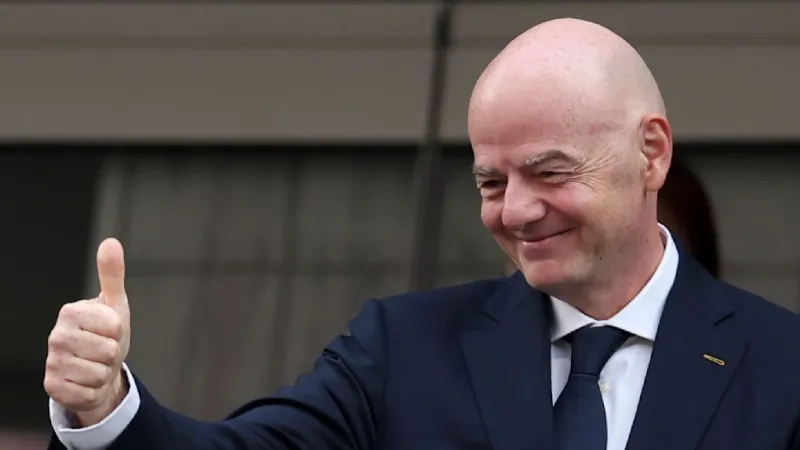
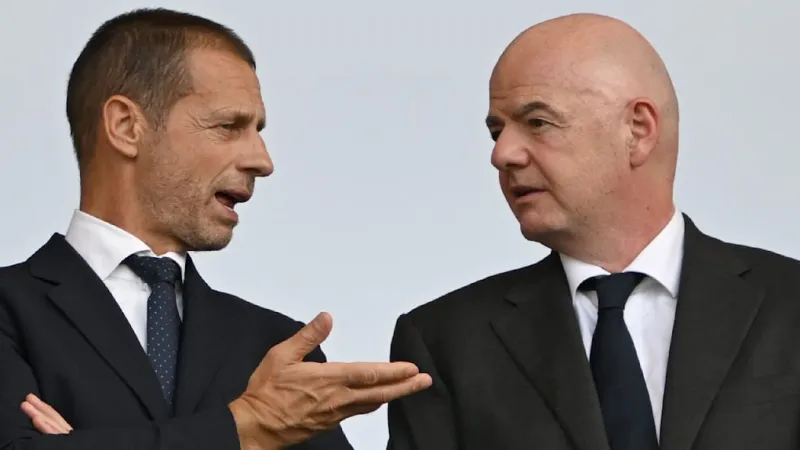
FIFA President Gianni Infantino has signaled a significant potential shift for future World Cups, indicating that the global football spectacle could dramatically expand to include 64 participating nations. This consideration follows the notable performances of teams from smaller footballing federations, such as Curacao, Uzbekistan, and Jordan, in recent tournaments, highlighting a desire for broader global inclusion.
The current World Cup format, already set to expand to 48 teams for the 2026 tournament hosted across North America, represents a substantial increase from the traditional 32-team structure. Infantinos suggestion of a 64-team World Cup would double the number of participants from the pre-2026 era, fundamentally altering the fabric of international footballs premier event.
This ambitious vision aligns with Infantinos consistent advocacy for making football truly global, extending opportunities beyond the sports traditional powerhouses. His remarks underscore a philosophy that values universal access and competitive balance, aiming to empower emerging football nations on the worlds biggest stage.
The success stories of nations like Curacao and Uzbekistan, which have made significant strides in their respective confederations, serve as compelling evidence for this inclusivity argument. Their presence in high-profile fixtures, even if not reaching the World Cup finals, demonstrates a growing competitive landscape often overlooked.
A 64-team World Cup expansion would necessitate a complete overhaul of qualification processes, tournament scheduling, and logistical planning. The number of matches would significantly increase, placing unprecedented demands on host nations for stadiums, training facilities, and transportation infrastructure.
Historically, the World Cup has evolved incrementally. It started with 13 teams in 1930, grew to 16, then 24 in 1982, and reached 32 in 1998. The upcoming 48-team format was already a contentious but ultimately approved change designed to boost revenue and inclusion. A further jump to 64 teams would represent the most radical transformation yet.
Proponents argue that such an expansion would foster greater global engagement, potentially unlocking new markets and increasing viewership worldwide. It could also provide much-needed financial impetus to developing football associations, allowing them to invest further in grassroots initiatives and player development.
Critics, however, often raise concerns about diluting the quality of play and extending the tournament duration to an impractical length. A larger field could mean more lopsided matches in the early stages, potentially diminishing the overall spectacle and competitive intensity that defines the World Cup.
The administrative burden on FIFA and national federations would also be immense. Managing a tournament of this scale, coordinating thousands of athletes, officials, and support staff, presents logistical challenges that transcend mere scheduling. Even national federations, such as the German Football Association (DFB), face significant strategic decisions regarding team development and administrative oversight, as seen with discussions around leadership changes.
Furthermore, the environmental impact of hosting an even larger tournament, involving extensive international travel and construction, would come under intense scrutiny. FIFA has increasingly faced pressure to adopt more sustainable practices, a challenge magnified by any further World Cup expansion.
The commercial implications are also vast. While more teams mean more games and potentially more broadcasting rights and sponsorship opportunities, it also risks saturation. Balancing revenue generation with the integrity and appeal of the sport remains a delicate act for FIFA leadership.
Any decision regarding a 64-team format would likely involve extensive consultation with confederations, member associations, and key stakeholders. The path to such a radical change would not be straightforward, requiring broad consensus and careful consideration of all potential ramifications for the beautiful game.
As discussions continue, the football world watches closely to see how FIFA navigates the desires for greater inclusivity against the practical and qualitative challenges of scaling up its flagship event. Infantinos vision certainly paints a picture of a more expansive and globally representative World Cup.