 Chris Robert
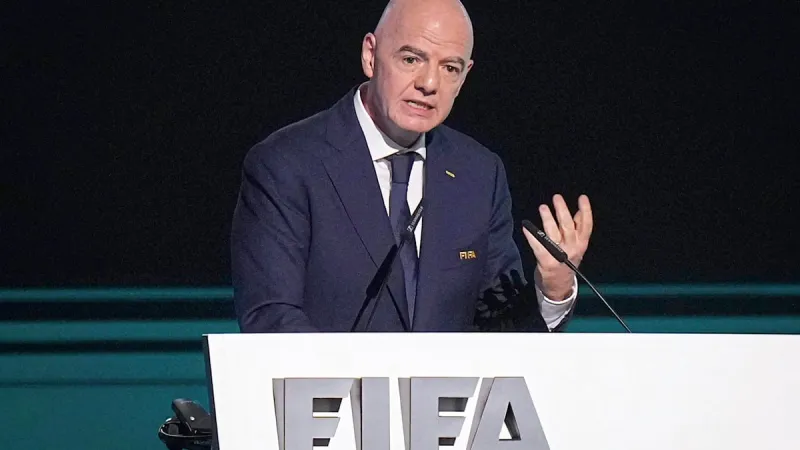
ZURICH The global football governing body, FIFA, has unequivocally reaffirmed its support for President Gianni Infantino, pledging robust action against any perceived false accusations targeting his leadership. This strong declaration comes as the Union of European Football Associations (UEFA) continues its detailed examination of financial transactions and personnel appointments made during Infantino's presidency.
FIFA's announcement represents a definitive pushback against persistent scrutiny that has shadowed Infantino's tenure since he assumed the presidency in 2016. The organization frames the ongoing criticism as a calculated effort to undermine its leader and the reforms implemented under his direction.
Concurrently, UEFA, the European football confederation, has initiated its own comprehensive review. This internal inquiry focuses specifically on various payments and critical personnel decisions made while Infantino held executive roles within UEFA before transitioning to FIFA.
Infantino has faced a barrage of criticism ranging from allegations of ethical breaches to questions regarding transparency in FIFA's governance. These concerns have frequently been highlighted by media outlets and various stakeholders within the football community, creating a challenging environment for the president.
The latest statement from FIFA indicates a shift towards a more aggressive defense strategy. By threatening harsh action against false claims, the organization signals its intent to actively challenge narratives that it deems inaccurate or malicious. This mirrors previous declarations where FIFA Declares Campaign Against Infantino; Accuses Media of Falsehoods and FIFA Alleges Coordinated Campaign Against President Infantino.
The tension between FIFA's staunch defense of its president and UEFA's investigative efforts underscores broader issues concerning accountability and governance within international sports federations. Stakeholders worldwide are closely observing how these parallel developments unfold.
Infantino ascended to the FIFA presidency following a period of unprecedented scandal that engulfed his predecessor, Sepp Blatter. His mandate was largely built on promises of reform, transparency, and restoring public trust in the sport's highest governing body.
While the specifics of UEFA's examination remain largely confidential, it is understood to encompass a deep dive into financial records, contracts, and internal communications from the period of interest. The outcome of this review could have significant ramifications for the perception of Infantino's legacy.
The declaration by FIFA to pursue legal or disciplinary action against those making false allegations introduces a new dynamic. This approach could deter future criticism or, conversely, be perceived as an attempt to stifle legitimate journalistic inquiry and dissent.
The ongoing controversies threaten to overshadow key initiatives and tournaments overseen by FIFA, potentially distracting from the core mission of football development and promotion. The stability of the global football administration remains a paramount concern for national federations and fans alike.
Critics of FIFA have consistently called for greater transparency and independent oversight mechanisms to ensure ethical conduct at the highest levels of the sport. These calls are likely to intensify in light of the current developments.
As the global football landscape watches, the resolute stance by FIFA in support of its president juxtaposed against UEFA's methodical investigation sets the stage for a prolonged period of scrutiny regarding leadership, finance, and integrity in the sport.