Angel Doris
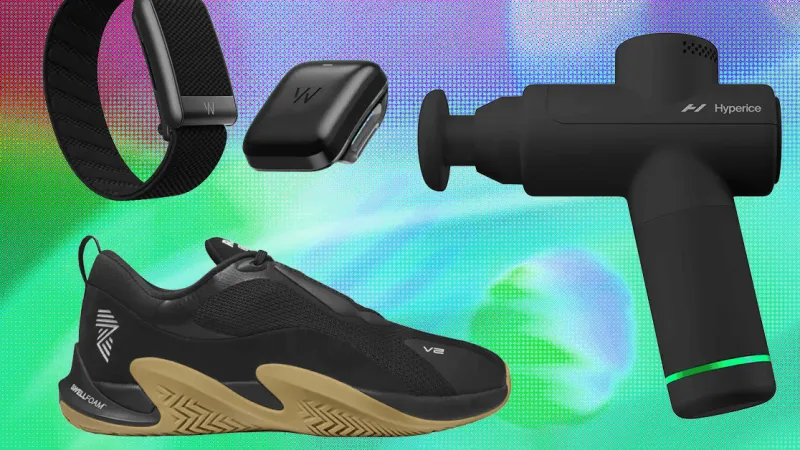
NEW YORK – The landscape of personal fitness is undergoing a profound transformation in 2026 as cutting-edge fitness tech and advanced workout gear redefine how enthusiasts, often dubbed gym bros, approach their training regimens. This burgeoning sector leverages data analytics, biometric tracking, and intelligent materials to optimize performance, enhance recovery, and personalize the athletic journey, moving far beyond traditional weights and resistance bands.
Innovations span a wide array of products, from smart wearables that monitor heart rate variability and sleep patterns to intelligent apparel designed for compression, temperature regulation, and injury prevention. These tools provide real-time feedback, allowing individuals to fine-tune their workouts with unprecedented precision, mirroring the sophisticated training methods once reserved for elite athletes.
The driving force behind this surge is a collective desire for quantifiable progress and maximized efficiency. As fitness culture evolves, the pursuit of optimal physical condition increasingly relies on evidence-based strategies, where every rep, calorie, and recovery hour is meticulously tracked and analyzed. This data-driven approach appeals directly to the demographic focused on incremental gains and peak physical form.
Among the prominent examples are advanced smartwatches offering granular insights into workout intensity and recovery needs, often integrating with AI-powered coaching apps. Additionally, smart scales now measure body composition with medical-grade accuracy, providing a holistic view of physical transformation beyond mere weight. High-performance recovery tools, such as percussive massage devices and infrared saunas, also feature prominently, shortening downtime and boosting readiness for subsequent sessions.
This integration of technology fundamentally shifts the training philosophy. Instead of relying solely on intuition or generalized programs, fitness enthusiasts can access personalized metrics that inform their hydration, nutrition, and rest protocols. This empowers them to make dynamic adjustments, preventing overtraining and accelerating progress toward specific strength, endurance, or physique goals.
Beyond electronics, advancements in material science are also revolutionizing traditional workout gear. Moisture-wicking fabrics now incorporate antimicrobial properties, while compression wear is engineered to improve blood circulation and reduce muscle soreness. Footwear innovations focus on adaptive cushioning and improved stability, minimizing impact and enhancing biomechanical efficiency during intense movements.
The market for these specialized products is experiencing robust growth, reflecting a significant investment by consumers willing to pay a premium for tangible performance advantages. Manufacturers are keenly responding to this demand by continuously developing more sophisticated and user-friendly devices, solidifying the fitness tech sector as a cornerstone of the modern athletic lifestyle.
The democratization of these technologies means that the insights once proprietary to professional sports teams are now accessible to the everyday gym-goer. This parallel can be seen in how athletes like Choi Min-jeong electrifies home crowd, dominates Seoul Short Track World Tour, where meticulous training and performance analysis are paramount to achieving world-class results. The pursuit of peak performance transcends professional arenas.
While often associated with high-intensity training, the benefits of advanced fitness tech extend to broader health and wellness. Comprehensive data on activity levels, sleep quality, and physiological markers can aid in early detection of potential health issues and promote sustainable, long-term healthy habits, fostering a more informed approach to personal well-being.
Looking ahead, experts anticipate further integration of artificial intelligence and machine learning, leading to even more predictive and adaptive fitness solutions. Imagine gear that automatically adjusts based on fatigue levels or nutritional plans generated in real-time by an AI observing progress. This future promises an even more symbiotic relationship between technology and human performance.
This evolution underscores a fundamental shift in how individuals interact with their fitness journey. It is no longer just about physical exertion but also about intelligent application of data and tools to unlock new levels of potential. The gym bro of 2026 is as much a data analyst as they are a lifter, embracing technology to sculpt not just their bodies, but also their understanding of personal optimization.
This relentless drive for optimization in physical conditioning is mirrored in other highly competitive fields, including professional sports, where the slightest edge can determine victory. Figures like Lee Kang-in makes history: Asias Premier Overseas Footballer Back-to-Back, exemplify the dedication and strategic use of every available resource to achieve and maintain top-tier performance on a global stage.