 Dorry Archiles
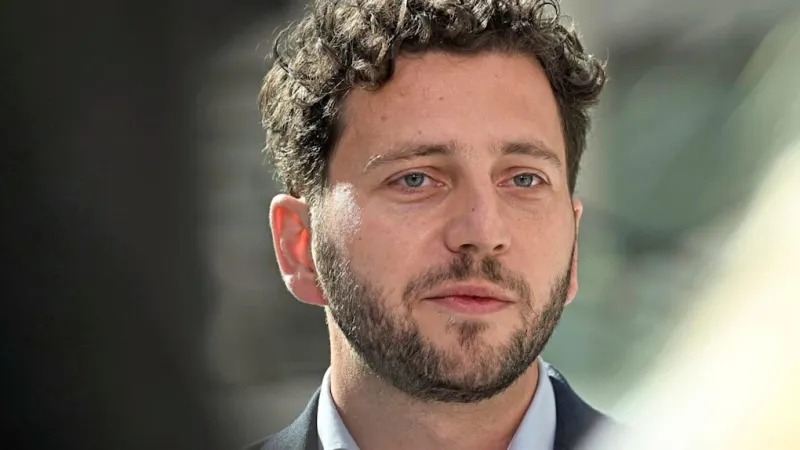
BERLIN – Green Party leader Felix Banaszak encountered a strikingly hostile reception from young demonstrators at a Generation Z protest in the capital recently, his efforts to show solidarity met with a barrage of angry denunciations instead of anticipated support. The incident, unfolding in the heart of Berlin, starkly underscores a growing chasm between established political figures and a vocal segment of the youth electorate, even within traditionally aligned environmental and progressive movements.
Banaszak, co-leader of the Bündnis 90/Die Grünen party, had approached the demonstration with the apparent intention of engaging with the youth movement, which often aligns with his party's core tenets. However, his presence quickly ignited a firestorm of verbal abuse. Witnesses reported a cacophony of shouts, epithets, and pointed accusations directed at the politician, leaving little room for dialogue or the expression of mutual understanding.
The scene, captured on social media and widely disseminated, depicted Banaszak attempting to maintain composure amidst the jeers. Instead of finding common ground, he was excoriated by a crowd that seemed to view him and his party as part of the very establishment they were protesting against. This unvarnished display of anger signals a profound disillusionment with traditional political avenues among some of the nation's youngest voters.
Historically, the Green Party has enjoyed strong support among younger demographics, often seen as the political voice for climate action and social justice. This event challenges that long-held perception, suggesting that a significant portion of Gen-Z perceives the party as failing to deliver on its promises or adequately address their multifaceted concerns.
The grievances articulated by these young protesters extend beyond singular policy issues. Many Gen-Z individuals express deep anxiety over the pace of climate action, the rising cost of living, housing shortages, and a sense of political stagnation. Broader societal issues, including discussions around potential conscription, have also fueled their discontent, as evidenced in articles exploring German Youth Demand Action, Denounce Cruel Policy on Climate, Conscription.
For Banaszak and the Green Party, this direct confrontation serves as a potent reminder of the complexities inherent in modern political engagement. While the party prides itself on its progressive stance, the incident reveals that their messaging and perceived effectiveness may not resonate uniformly across the youth demographic. The protesters demand more than just representation; they demand tangible, swift results.
The rejection of a prominent Green Party leader by climate-conscious youth highlights a deeper trend of political polarization. Young people, often galvanized by social media, are increasingly willing to challenge figures from across the political spectrum, including those traditionally seen as allies. This shift suggests a desire for authenticity and radical change that they feel is lacking in established political institutions.
This incident in Berlin is not isolated. Across Europe, and indeed globally, established political parties are grappling with how to effectively connect with and respond to the urgent demands of younger generations. The traditional frameworks of political discourse are being tested by movements that are often less hierarchical and more emotionally charged.
Experts in political sociology suggest that such confrontations are symptomatic of a broader distrust in governmental efficacy. Young voters, having grown up in an era of multiple crises from financial downturns to climate emergencies, expect decisive action and become quickly disillusioned when perceived progress is too slow or insufficient.
The path forward for the Green Party and other established political entities in Germany involves more than just policy adjustments; it necessitates a fundamental reevaluation of how they engage with and listen to the concerns of the youth. A mere presence at a demonstration, even with good intentions, is no longer enough to guarantee solidarity or respect.
This event underlines the imperative for genuine dialogue and substantive policy commitments that address the existential anxieties of Generation Z. Without such efforts, the divide witnessed in Berlin could deepen, further fracturing the political landscape and complicating the formation of broad-based consensus on critical national and international issues.
The confrontation faced by Felix Banaszak represents a crucial moment for German politics, signaling that the engagement of younger demographics cannot be taken for granted. It is a stark reminder that even within shared ideological spaces, profound disagreements can emerge, demanding a more nuanced and responsive political approach.